


Video editing has traditionally been one of the most labor-intensive parts of content creation. It requires expensive software, years of technical training, and hours of tedious frame-by-frame adjustments. However, the emergence of Video-to-Video (V2V) AI technology has shifted the landscape. Instead of manually applying filters or masking objects, these AI tools allow you to transform the style, lighting, and even the characters of an existing video with a few simple prompts.
By using V2V technology, you can turn a simple smartphone recording into a high-end cinematic masterpiece or a stylized animation. This not only saves thousands of dollars in editing fees but also accelerates your production timeline. Here are seven Video-to-Video AI tools that are currently outperforming traditional editing workflows.
1. Pollo AI
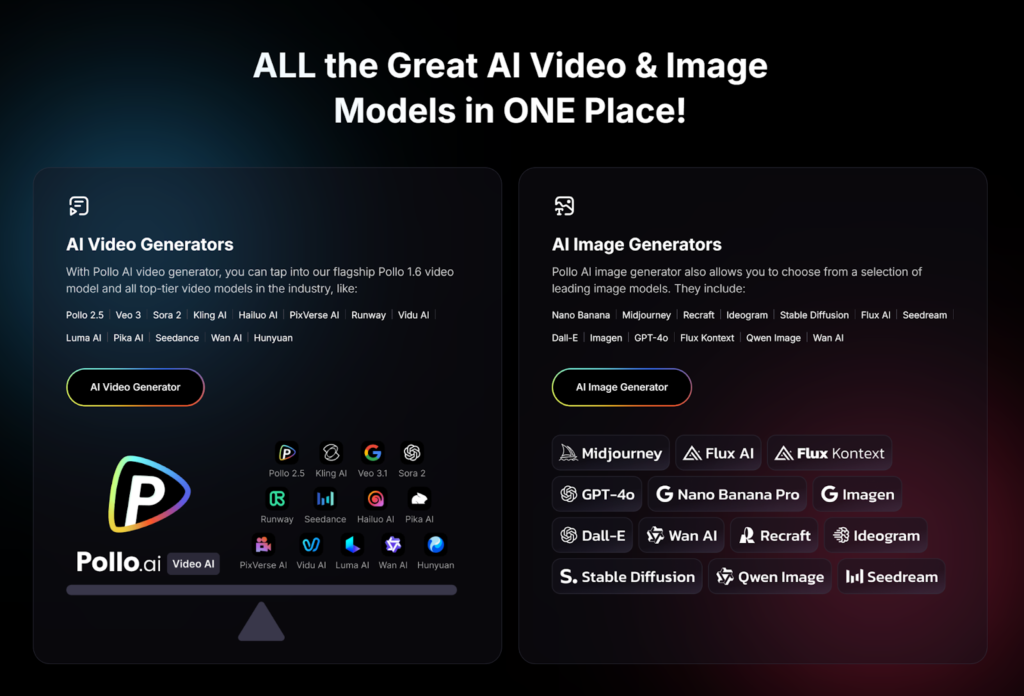
Pollo AI is a frontrunner in the Video to Video space, specifically designed for creators who prioritize both quality and convenience. It excels at taking raw footage and applying sophisticated style transfers while maintaining the underlying motion and structure of the original video. Whether you want to transform a real-life scene into a 3D animation or enhance the cinematic lighting of a vlog, Pollo AI handles the heavy lifting with remarkable precision.
One of the standout features of Pollo AI is its accessibility. Unlike many professional AI tools that are restricted to high-end desktops, Pollo AI offers a dedicated mobile app. This allows users to record a video on their phone and immediately apply AI transformations while on the move. The app’s interface is intuitive, making it a perfect choice for social media influencers and small business owners who need to produce professional-grade content without sitting behind a computer for hours.
2. Kling AI
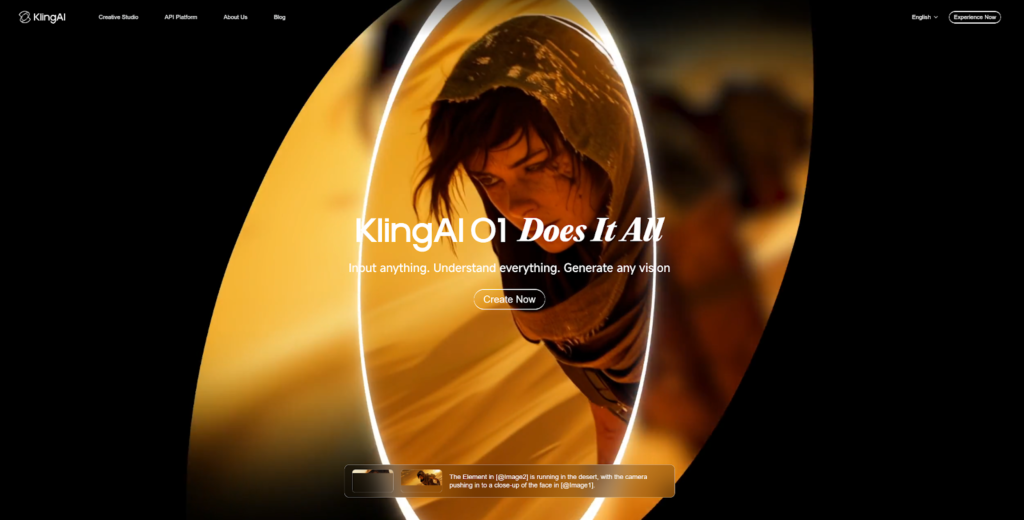
Kling AI has made waves in the industry for its ability to generate incredibly fluid and realistic video content. When it comes to Video-to-Video capabilities, Kling AI is often compared to top-tier models like OpenAI’s Sora. It is particularly adept at understanding complex human physics and movement, ensuring that when you transform a video, the motion remains natural and free of the “jitter” often found in lesser AI models.
The strength of Kling AI lies in its high-fidelity output. It can take a low-resolution source video and re-render it into a high-definition cinematic sequence with completely different textures or themes. This makes it an invaluable tool for filmmakers and advertisers who want to experiment with different visual styles such as turning a daytime city walk into a neon-drenched cyberpunk scene without the need for a massive post-production team or expensive CGI.
3. Runway
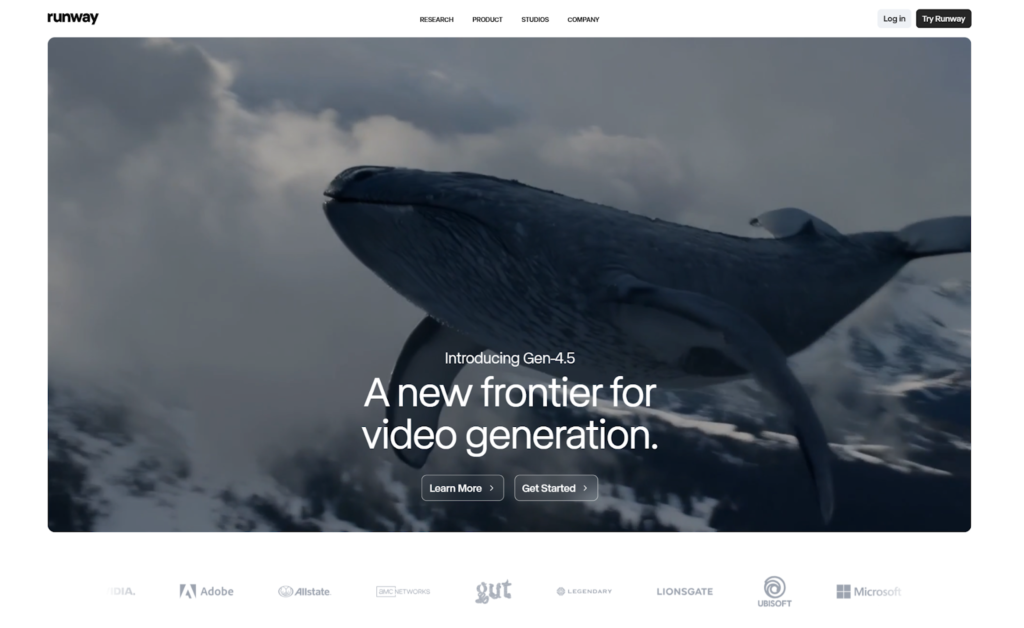
Runway remains a pioneer in the AI video space, offering a robust “Video-to-Video” mode that provides granular control over the final output. Users can upload a base video and use a text prompt or an image style reference to dictate the transformation. Runway’s strength is its “Motion Brush” and “Director Mode,” which allow editors to influence specific areas of the frame while the AI re-styles the rest.
Runway is frequently used by professional creative agencies because of its stability and the variety of styles it can produce. Whether you are looking for a sketch-like aesthetic, a claymation vibe, or a hyper-realistic change in environment, Runway Gen-2 delivers consistent results. It effectively replaces the need for complex rotoscoping and manual color grading, allowing an editor to achieve in minutes what used to take days of manual work.
4. Pika Art
Pika Art has gained a massive following due to its user-friendly Discord and web interfaces. Its Video-to-Video feature is specifically designed for high-energy social media content. Pika 1.5 has introduced specialized “Effect” buttons that allow users to apply physics-defying transformations like melting, crushing, or inflating objects within an existing video with a single click.
For creators looking to add a “wow” factor to their content, Pika is an excellent alternative to hiring a motion graphics designer. It maintains the character’s identity and the camera movement of the source file while completely overhauling the visual texture. This makes it ideal for creating viral TikToks or eye-catching advertisements where the goal is to present something visually unexpected and highly creative.
5. Kaiber
Kaiber is best known for its “Flipbook” and “Motion” styles, which have become a staple in the music video industry. Its Video-to-Video tool allows artists to transform live-performance footage into psychedelic, ethereal, or dark-themed animations. The AI tracks the movement of the performer and applies a continuous, evolving artistic style that feels synchronized with the rhythm of the audio.
Kaiber is a powerful tool for anyone looking for an artistic, rather than purely realistic, transformation. It eliminates the need for frame-by-frame hand-drawing or expensive rotoscoping animation. By using Kaiber, independent musicians and creators can produce high-concept visualizers that look like they were made by a high-end animation studio, all while staying within a modest budget.
6. DomoAI
DomoAI has carved out a niche by focusing on “Anime” and “Illustration” style transfers. It is arguably the best tool for creators who want to transform real-life footage into high-quality 2D or 3D anime styles. The AI is exceptionally good at maintaining “temporal consistency,” which means the character’s features don’t change drastically from one frame to the next a common problem in AI video.
This tool is highly popular among cosplayers and gaming creators. Instead of spending weeks learning how to animate in a traditional software suite, users can simply film themselves and use DomoAI to “flat-color” or “cell-shade” their footage. The results are clean, professional, and ready for publication, making it a highly efficient alternative to traditional animation editors.
7. Lensgo
Lensgo is a versatile AI video platform that offers a highly streamlined Video-to-Video workflow. It provides users with a variety of pre-set models, such as “Toy Style,” “Cyberpunk,” or “Oil Painting,” which makes the selection process much faster for those who don’t want to write long, complex prompts. It is designed to be a “one-stop-shop” for rapid content transformation.
Lensgo is particularly effective for marketing teams that need to create multiple versions of the same ad for different target audiences. By changing the visual style of a single base video, a brand can tailor its aesthetic to different platforms or demographics. The platform’s ability to quickly render high-quality V2V transformations makes it a viable replacement for traditional editors who specialize in stylistic re-branding.
Conclusion
The era of spending days on a single video edit is quickly coming to an end. With tools like Pollo AI and its convenient app, or the cinematic power of Kling AI, creators now have the ability to transform their vision into reality almost instantly. Each of these seven tools offers a unique way to bypass the traditional editing bottleneck, allowing you to focus more on your creative ideas and less on the technical execution. Whether you need hyper-realism or stylized animation, there is now an AI that can do the job better, faster, and cheaper than a traditional editor.
