


Key Takeaways
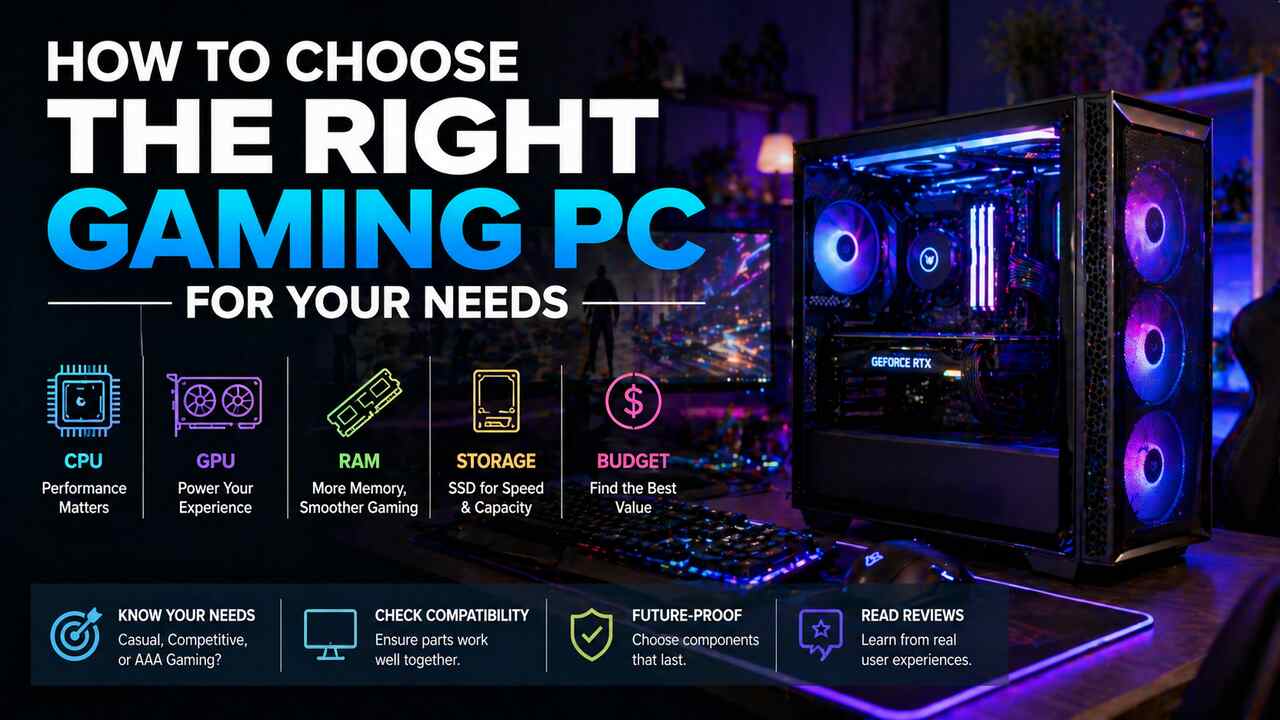
- Identify your gaming requirements and budget to choose the most effective hardware configuration.
- Understand the important roles of GPU, CPU, RAM, and storage in game performance.
- Weigh the pros and cons of buying a pre-built system versus building your own.
- Decide whether a desktop or laptop aligns better with your gaming setup and lifestyle.
Table of Contents
- Understanding Your Gaming Requirements
- Key Components of a Gaming PC
- Pre-Built vs. Custom-Built Gaming PCs
- Desktop vs. Laptop Gaming Systems
- Budget Considerations
- Future-Proofing Your Gaming PC
- Additional Features and Accessories
- Conclusion
Finding the ideal gaming PC can transform your gaming sessions and open up a world of immersive entertainment. When choosing, factors like hardware specifications, performance requirements, and budget come into play. The wide variety of gaming computers built for performance makes it even more important to understand what will enhance your gaming experience the most. Modern games have evolved in complexity and graphic requirements, meaning the right PC for one gamer may not suit another. Whether you are a casual player or a competitive enthusiast, matching the system’s capabilities with your gaming preferences ensures a satisfying investment. Recognizing your main needs from the start paves the way for a system that delivers seamless gameplay without overspending.
Another key factor is how product availability and trends regularly shift in the gaming PC market. Several manufacturers continually innovate, offering next-generation hardware and customization options. Comparing different models and configurations will help you find the best balance between features and cost. If you are considering building your own, it is crucial to stay up to date on current best practices.
Understanding Your Gaming Requirements
Begin your search by evaluating exactly what you want from a gaming PC. The types of games you play – from esports titles and first-person shooters to expansive RPGs – influence what kind of performance you need. High-resolution or VR gaming demands higher-end hardware, while strategy or indie games can often run on modest specs. Knowing how frequently and intensively you play will also inform your priorities, letting you tailor your purchase for long-term satisfaction.
Key Components of a Gaming PC
The main parts of a gaming PC each contribute to gameplay in unique ways:
- Graphics Processing Unit (GPU): The GPU is responsible for rendering all the visuals you see. It determines frame rates, resolutions, and graphical settings. Top-tier models like the Nvidia GeForce RTX 4090 are ideal for 4K or high-refresh-rate gaming, while budget options like the AMD Radeon RX 7600 can handle 1080p gaming effectively. For more expert recommendations, check out Tom’s Hardware’s GPU hierarchy.
- Central Processing Unit (CPU): The CPU acts as the gaming brain, handling logic and interactions in real-time. Multi-core and high-clock-speed processors improve in-game responsiveness, particularly for games with complex AI or physics.
- Memory (RAM): RAM ensures your system can keep multiple tasks running smoothly. For most modern games, 16GB of RAM is a good baseline. Heavy multitaskers or streamers may benefit from 32GB or more.
- Storage: Solid State Drives (SSDs) dramatically reduce load times and keep gameplay snappy compared to traditional Hard Disk Drives (HDDs). Nowadays, many gamers combine SSDs for speed and HDDs for additional storage.
Pre-Built vs. Custom-Built Gaming PCs
Deciding whether to buy pre-built or go the custom route depends largely on your technical skills, time, and confidence:
- Pre-Built Gaming PCs: These are assembled and tested by reliable manufacturers. They offer convenience and are often accompanied by warranties and customer support. This option is best if you want a dependable system out of the box, without diving into the complexities of assembly and part compatibility.
- Custom-Built Gaming PCs: If you enjoy tinkering and want to handpick each component, building your own is rewarding. While you can often save money, you will need to invest time researching, sourcing parts, and assembling the system. It also allows for easier upgrades and modifications in the future.
Desktop vs. Laptop Gaming Systems
Portability is a major distinguishing factor between desktops and gaming laptops:
- Desktop Gaming PCs: Known for superior performance, cooling, and flexibility. Upgrading a desktop is generally easier, and these systems can deliver higher graphical fidelity at a lower price than laptops.
- Gaming Laptops: If you travel frequently or have limited space, a gaming laptop may suit your needs. While performance is catching up to desktops, expect to pay a premium for portability, and note that some upgrade possibilities will be more limited.
Budget Considerations
Your budget will shape every aspect of your decision. Entry-level systems are perfect for casual gaming or older titles, while demanding AAA games at maximum settings require more expensive hardware. Remember to leave room in your budget for essentials like a monitor, keyboard, mouse, and perhaps even a quality headset.
Future-Proofing Your Gaming PC
Technology evolves quickly, but making strategic upgrades during your purchase can extend the utility of your system. Opt for a motherboard that supports more RAM, or a chassis that accommodates additional drives or a larger GPU. Keeping upgrade options open lets your system adapt without a total overhaul.
Additional Features and Accessories
Enhance comfort and gameplay with well-chosen peripherals:
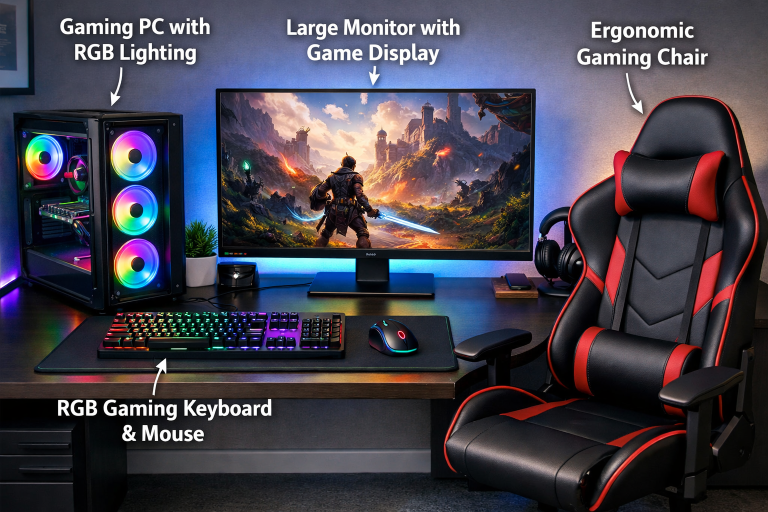
- Monitors: Choose a monitor with a high refresh rate and low response time for shooters or fast-paced games, or a high-resolution display for immersive visuals.
- Keyboards and Mice: Ergonomic, responsive hardware lessens fatigue during long sessions, and customizable keys or extra buttons can provide a competitive edge.
- Audio Equipment: A good headset or speaker system creates an enveloping audio experience and can also improve in-game awareness.
Conclusion
The path to choosing a gaming PC that meets your needs combines understanding your requirements, knowing key components, and balancing budget with future upgradeability. With careful planning and research, your investment will provide sustained enjoyment and adaptability as technology and gaming genres evolve.
