

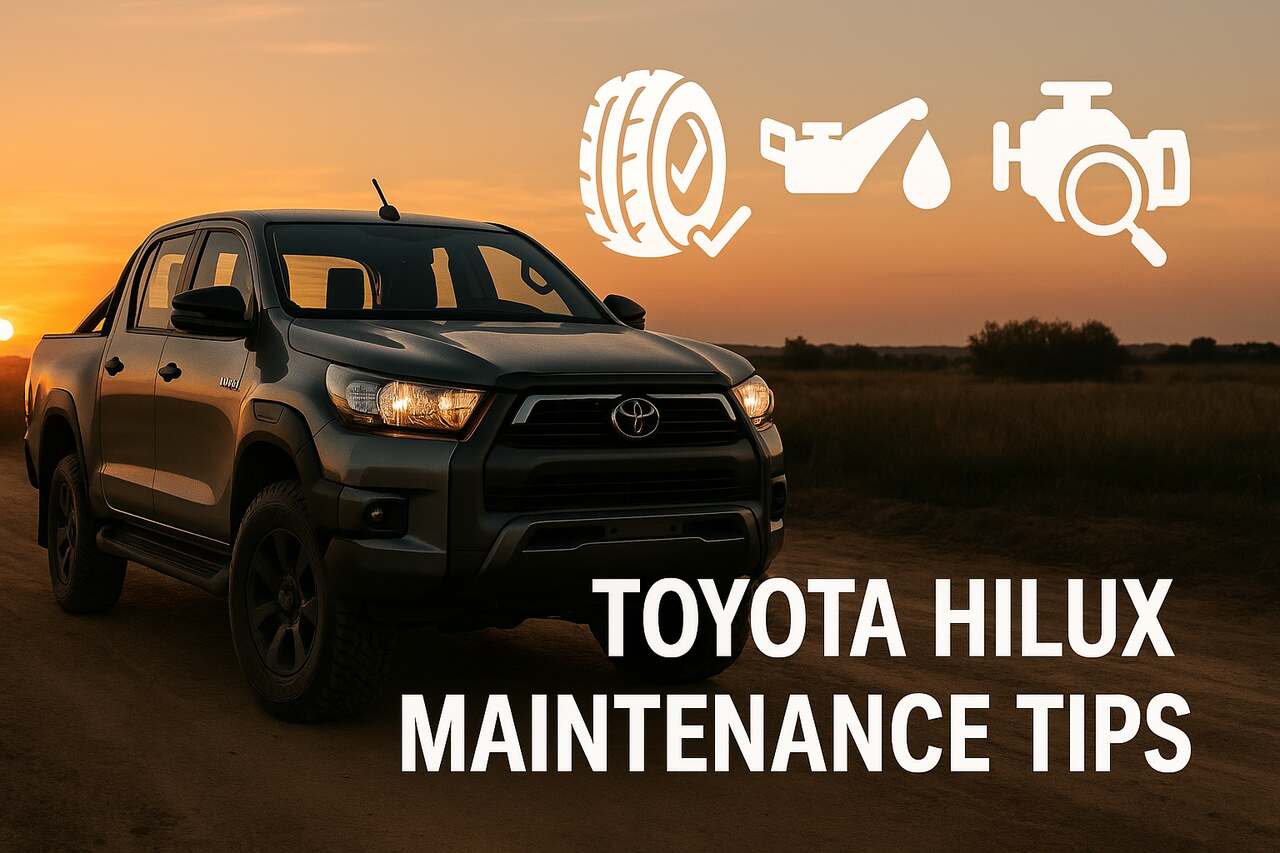

Keeping a Toyota Hilux in excellent condition requires consistent maintenance that aligns with how and where the truck is used. This pickup is built for durability, yet its performance and lifespan depend heavily on timely servicing. Whether the Hilux is used for daily commuting, commercial hauling, or off-road travel, a clear understanding of essential upkeep helps prevent costly breakdowns, improves safety, and preserves resale value. The following guide covers every major maintenance action Hilux owners need, including fluid changes, component inspections, climate-specific care, and budgeting strategies.
What Are the Essential Maintenance Tasks All Toyota Hilux Owners Must Follow?
Regular servicing ensures the Hilux delivers strong performance across thousands of kilometres, regardless of driving environment. The most important actions include routine oil and filter changes, brake inspections, tyre rotation, coolant checks, and suspension evaluations. These tasks address the areas that experience the most wear during normal use. Completing them on time prevents engine stress, poor braking, and uneven tyre wear, all of which reduce lifespan and safety.
These core tasks revolve around fluids, filters, and components that operate under constant heat and pressure. Engine oil must retain lubrication properties, coolant must stabilise temperatures, and brake fluid must maintain hydraulic efficiency. Filters for oil, air, and fuel prevent contaminants from entering the system. Components like pads, rotors, shocks, and bushings require visual inspections and timely replacements. Each part has a recommended interval that changes based on model year, driving style, and environmental conditions.
Because the Hilux often operates in demanding environments such as construction areas, unpaved trails, or hot climates, these essential tasks carry added importance. HEavy dust levels, stop-start traffic, and steep terrains increase wear, making a proactive schedule necessary. Owners who follow these steps consistently often exceed 300,000 km without experiencing major failures.
How Often Should I Change Engine Oil and Filter on a Hilux?
Oil changes protect the engine from friction, overheating, and sludge formation. For diesel Hilux models, the oil and filter should typically be replaced every 5,000 to 10,000 km, depending on load and terrain. Petrol engines may comfortably reach 10,000 km under moderate use, but shorter intervals are still beneficial for longevity. Maintaining clean oil ensures smoother operation and reduced stress on the turbocharger, pistons, and bearings.
Choosing the correct oil grade is equally important. Many diesel variants perform well with 5W-30 or 10W-40 oils formulated for high-pressure engines. Synthetic oils offer better temperature stability and protection under heavy loads. Always pair oil changes with filter replacements, since old filters trap contaminants that circulate back into the engine if not removed.
If the Hilux frequently tows, drives off-road, or operates in extreme heat, shorten intervals to around 5,000 km. Dusty environments accelerate contamination, while high temperatures degrade oil faster. Long-term neglect often leads to sludge buildup, reduced performance, and expensive component wear.
When to Check and Replace Coolant and Brake Fluid
Coolant is vital for heat management, particularly in regions with hot summers or steep terrain. Inspecting coolant levels monthly and replacing the fluid every 40,000 to 60,000 km helps maintain stable engine temperature. Fresh coolant prevents corrosion in radiators, hoses, and water pumps, reducing the risk of overheating on long drives or climbs. Check for discoloration or rust particles, which indicate internal corrosion.
Brake fluid absorbs moisture over time, reducing its effectiveness under heat and pressure. Replace it every two years or sooner if the pedal feels soft. During inspections, examine brake lines, master cylinder condition, reservoir level, and any moisture around fittings. Heat and humidity accelerate fluid degradation, especially in regions with heavy rain or high humidity.
Maintaining fresh coolant and brake fluid prevents failures that can be sudden and dangerous. Trucks used for towing, mountain driving, or long-distance hauling benefit from slightly earlier replacement intervals, keeping both cooling and braking systems reliable.
Why and How Frequently to Inspect Brakes, Tyres, and Suspension Components
Brake inspections ensure the Hilux stops safely under all loads. Check pads and rotors every 10,000 to 15,000 km. Pads typically last 25,000 to 40,000 km depending on driving style, while rotors may last 80,000 km or more. Look for squealing, vibrations, or pulling, which signal wear or rotor warping.
Tyres should be inspected monthly for tread depth, uneven wear, air pressure, and sidewall cracks. Rotate tyres every 10,000 km to maintain even wear, especially on 4×4 models. Correct inflation improves fuel efficiency and prevents premature failure under heavy loads. Consider all-terrain tyres for off-road environments where puncture resistance matters.
Suspension components such as shocks, leaf springs, bushings, and ball joints carry significant stress in a Hilux. Inspect them every 20,000 km or after any off-road expedition. Early signs of wear include bouncing, drifting, or uneven tyre patterns. Harsh terrain and towing accelerate deterioration, making frequent checks essential for stability and comfort.
How Does Driving Style and Usage Affect Hilux Maintenance Frequency?
Driving behaviour has one of the largest impacts on servicing needs. A Hilux used mainly in city traffic requires more frequent brake inspections due to constant stopping. Trucks operated on dusty roads accumulate debris in filters and intake systems, demanding shorter intervals. Heavy acceleration increases strain on the engine and transmission, reducing the lifespan of fluids and components.
Usage patterns create unique wear signatures. Light commuting leads to predictable, moderate maintenance needs. In contrast, hauling construction materials, towing heavy trailers, or navigating steep trails creates higher stress and increases the urgency for proactive checks. These conditions require owners to adjust intervals for oil, filters, suspension, and tyres.
Understanding how the truck is used helps owners create a personalised maintenance schedule. This reduces surprises, prevents early wear, and keeps operating costs predictable. Hilux models that experience diverse conditions benefit from keeping detailed service logs to track replacements and evaluate usage patterns.
What Maintenance Differs for Off-Road vs City Driving?
Off-road driving exposes the Hilux to dust, mud, water, and uneven terrain. This environment makes air filter inspections more frequent and accelerates the need for suspension servicing. After each off-road trip, inspect the undercarriage, drivetrain, and exhaust system for mud buildup, dents, or rust exposure. Grease key joints and clean the chassis to prevent corrosion.
City driving involves stop-start movement that wears brake pads faster. Engines often run at lower speeds, which may cause carbon buildup. Owners should prioritise brake inspections, throttle body cleaning, and ensuring the battery maintains strong charge cycles. Short trips also prevent the engine from reaching optimal temperature, making oil degradation more likely.
Different terrains influence the timing and priority of various tasks. Off-road drivers may change oil more frequently because slow, high-torque driving strains the engine. Urban drivers may prioritise brake pads and electrical checks due to constant lights, AC use, and traffic conditions.
How Does Cargo Load or Towing Change Maintenance Schedule?
Carrying heavy loads increases stress on the engine, gearbox, suspension, and braking system. Oil changes should occur at the lower end of the recommended interval. Brake inspections become essential, as weight increases stopping distance and pad wear. Tyres experience higher pressure and heat under load, requiring closer monitoring.
Towing places additional strain on the transmission and cooling system. Owners should check transmission fluid more frequently, inspect cooling hoses, and monitor fluid temperatures. Leaf springs and shocks may wear faster under repeated heavy use. Reinforced suspension components or upgraded shocks help maintain handling and safety.
Adjusting the maintenance schedule based on load ensures the truck continues performing comfortably and safely. Operators who regularly tow should document each trip’s weight to anticipate wear patterns and potential issues before they develop.
What Maintenance Does a Diesel Hilux Need Compared to Petrol Models?
Diesel Hilux engines require more frequent attention due to higher compression ratios and heavier soot production. Diesel oil must handle high temperatures and contamination better than petrol oil. This makes early oil changes essential. Fuel filters capture impurities that could damage injectors, so frequent replacement protects the fuel system.
Diesel engines rely heavily on clean air for optimal combustion. Off-road or dusty driving shortens air-filter life dramatically. Regular inspection prevents loss of performance and prevents contaminants from entering the engine. Diesel exhaust systems with EGR valves or DPFs also benefit from periodic checks to remove soot buildup.
Petrol Hilux models have cleaner combustion and typically longer intervals for certain tasks. However, both engine types benefit from consistent attention to coolant, brakes, suspension, and tyres. The primary difference lies in oil quality, fuel filtration, and airflow management.
Are Diesel Oil and Filter Change Intervals Different?
Yes. Diesel engines generate more soot and contaminants, which makes shorter oil intervals necessary. Under moderate use, diesel Hilux models may operate efficiently with 7,500 to 10,000 km intervals, but heavy users should change oil at 5,000 km. Petrol models tolerate longer intervals due to cleaner combustion.
Diesel filters must be replaced every interval because they trap more contaminants. The increased soot load also demands high-quality synthetic oil. Skipping intervals places stress on turbochargers, camshafts, and bearings.
Commercial and off-road operators should create a strict interval schedule and track it, ensuring long-term reliability under challenging conditions.
Should I Treat Fuel and Air Filters Differently Under Heavy Use?
Hilux models operating in dusty or polluted environments require more frequent air-filter checks. Clogged air filters reduce power, increase fuel consumption, and strain the turbocharger. For off-road users, cleaning or replacing the filter after every expedition is common practice. City drivers may follow standard intervals unless pollution is severe.
Fuel filters in diesel models must be monitored more closely. Poor fuel quality in some regions increases the risk of injector damage. Inspecting the filter every 10,000 km and replacing it at recommended intervals prevents major repair costs.
Heavy use requires adjusting filter maintenance to match real-world conditions. Incorporating inspection into monthly routines helps avoid unexpected power loss or stalling.
When Is DIY Maintenance Acceptable and When Should You Visit a Professional?
DIY maintenance is practical for Hilux owners comfortable with tools and safety procedures. Tasks such as oil changes, tyre rotation, battery checks, and filter replacement are achievable in a home garage. These actions reduce servicing costs and help owners understand their vehicle better.
More advanced tasks require technical expertise and proper equipment. Suspension repairs, transmission servicing, timing component inspections, and brake hydraulics carry high safety importance. Incorrect execution can lead to mechanical failure. A professional mechanic ensures precision, proper torque settings, and correct fluid specifications.
Balancing DIY and professional maintenance helps reduce costs while preserving safety. Many owners follow a hybrid approach: simple tasks at home, complex repairs at a certified workshop.
Which Tasks Are Safe for DIY?
DIY-friendly actions include oil changes, topping up fluids, rotating tyres, cleaning the air filter, replacing wiper blades, checking brake pads, and inspecting belts. These tasks need minimal equipment and carry low risk when done correctly. They also help owners detect issues early.
Basic diagnostic checks are also manageable. Modern Hilux models often support OBD-II scanners that display error codes. Owners can interpret issues and decide whether professional help is needed. Simple electrical checks, such as battery voltage monitoring, are similarly straightforward.
DIY tasks save time and money, especially for long-term owners who service the truck multiple times a year. Maintaining a dedicated toolkit and safety gear enhances efficiency and ensures clean, accurate work.
Which Critical Jobs Require Professional Service?
Professionals must handle transmission fluid changes, differential servicing, brake bleeding, rotor machining, suspension joint replacement, and timing component checks. These systems demand precise alignment and correct fluid pressure. Errors can result in brake failure, drivetrain damage, or compromised handling.
Electrical troubleshooting beyond basic checks also belongs in a workshop. Airbag systems, ECU diagnostics, and wiring repairs require specialised training. Cooling-system repairs, such as thermostat replacement or radiator flushing, may also require expert handling.
Relying on trained technicians for complex tasks ensures optimal performance and preserves manufacturer warranty terms. Most workshops follow strict service procedures using specialised tools and calibrated equipment.
What Preventive Maintenance Helps Avoid Common Hilux Problems?
Preventive maintenance reduces breakdowns and strengthens long-term reliability. Consistent monitoring of rust exposure, battery condition, alignment, and suspension helps detect issues early. Preventive actions cost far less than major repairs and ensure the Hilux remains comfortable and safe on all terrains.
Common concerns include rust in humid or coastal environments, worn batteries in extreme heat, and early suspension wear in off-road conditions. Addressing these risks proactively extends component lifespan and maintains resale value.
Preventive strategy is especially important for owners who rely on the Hilux for commercial work, deliveries, farm operations, or construction sites where downtime disrupts operations.
How to Prevent Rust in High-Humidity or Salted-Road Regions
Rust prevention starts with frequent washing, especially the undercarriage. Salt, humidity, and mud promote corrosion on frame rails, leaf-springs, wheel wells, and brake lines. Applying wax or protective coatings forms a barrier against moisture. Parking on dry surfaces and avoiding long exposure to standing water help reduce corrosion risk.
Inspecting the chassis every few months identifies early rust spots. Touch-up paint prevents exposed metal from oxidising. Owners in coastal environments should schedule annual rust-proofing treatments, particularly for older Hilux models.
Preventive rust care protects structural integrity, improves safety, and keeps the truck attractive for resale. Neglecting rust often leads to expensive chassis repairs or part replacements.
How to Maintain Battery Health in Extreme Temperatures
Battery performance declines in both high heat and cold climates. Inspect voltage regularly and clean terminals to prevent corrosion. Ensure the alternator is charging correctly and avoid leaving electrical accessories running while the engine is off. Replace batteries showing weak cranking power or swelling.
Heat accelerates fluid evaporation within the battery, while cold slows chemical reactions. Owners should tighten connections, secure the battery tray, and test performance before seasonal changes. Trucks used primarily for short trips may require more frequent checks, as batteries do not charge fully in these conditions.
Strong battery health ensures dependable starting and supports electrical systems such as lighting, infotainment, and climate control. A stable charging system prevents sudden failures during long journeys or heavy work.
How to Detect Early Signs of Suspension or Steering Wear
Suspension issues often appear as clunking noises, uneven tyre wear, vibrations, drifting, or excessive bouncing. Early inspection helps identify worn bushings, shocked shocks, bent leaf-springs, or loose steering components. Catching these symptoms early prevents further damage to tyres and alignment.
Check ball joints, tie rods, and sway-bar links regularly. Off-road usage accelerates fatigue in these components due to rough terrain and vibrations. Soft or collapsed shocks compromise handling and braking distance, affecting safety.
Timely detection maintains ride comfort and ensures predictable handling. For Hilux owners navigating mountain roads or carrying heavy loads, steering and suspension integrity are critical for control and stability.
How to Budget for Hilux Maintenance Costs, Parts, and Service Frequency
Preparing a yearly maintenance budget prevents unexpected expenses and spreads costs evenly. Regular upkeep such as oil changes, filter replacements, brake pad installations, coolant flushes, and tyre rotations form the foundation of yearly expenses. Anticipating long-term replacements helps avoid financial strain.
Costs vary by region, driving habits, fuel type, and local labour rates. Diesel models may require slightly higher upkeep due to filter and oil requirements. Owners should track mileage and record parts replaced to forecast future costs more accurately.
A clear budget encourages timely servicing, reduces repair risk, and improves ownership satisfaction. Commercial operators often include maintenance forecasting as part of operational planning to minimise downtime.
Typical Intervals and Costs for Regular Maintenance
| Maintenance Item | Recommended Interval | Estimated Cost Range |
|---|---|---|
| Engine oil and filter | 5,000–10,000 km | Low to moderate |
| Air filter | 10,000–20,000 km | Low |
| Fuel filter (diesel) | 10,000–20,000 km | Low to moderate |
| Brake pads | 25,000–40,000 km | Moderate |
| Coolant flush | 40,000–60,000 km | Moderate |
| Transmission fluid | 60,000–90,000 km | Moderate to high |
| Tyre rotation | 10,000 km | Low |
| Battery | 2–3 years | Moderate |
Actual costs differ by market, brand choice, and whether parts are OEM or aftermarket. Vehicles driven in harsh conditions may require shorter intervals, increasing yearly expenses.
How to Budget for Long-Term Wear Parts
Long-term parts include shocks, leaf-springs, clutches, timing components, alternators, and radiators. These components typically require attention after 80,000 to 150,000 km depending on driving style. Setting aside savings each year helps prepare for these larger expenses.
Suspension replacements can be costly if multiple components fail simultaneously. Clutch replacements for manual Hilux models vary based on load and terrain use. Timing chains last longer than belts but still require periodic inspection.
Creating a multiyear projection based on current mileage ensures owners remain financially prepared. This also improves the decision-making process when choosing between OEM and aftermarket parts.
Where to Buy Genuine Hilux Parts or Find a Qualified Service Center
Buying genuine parts protects engine health, safety, and long-term durability. Certified dealers and reputable resellers provide components that match manufacturer specifications. Using genuine or high-quality aftermarket parts prevents premature failures that occur with cheap substitutes.
A reliable service center should have trained technicians, proper diagnostic tools, and transparent pricing. Workshops familiar with Hilux models understand common issues and can perform faster, more accurate work.
Choosing trusted suppliers and mechanics protects the truck’s reliability. Owners should avoid unusually low-priced parts that may be counterfeit or low quality.
How to Verify Genuine OEM Parts for Hilux
Checking part numbers and comparing them with the manufacturer’s catalog prevents mistakes. Genuine components usually feature proper packaging, holograms, or traceable serial numbers. Sellers offering extremely low prices should be approached cautiously.
Always ask for invoices and warranties. Reputable resellers provide documentation verifying authenticity. If uncertain, consult the official dealer or cross-reference online part databases.
Authentic parts ensure correct fitment, safer operation, and longer service intervals. Inferior products can lead to costly engine, brake, or suspension failures.
What to Look for When Selecting a Trusted Service Center
Qualified workshops maintain certifications, provide clear estimates, and use proper equipment. A clean workspace and professional approach often indicate good practices. Reading customer reviews or getting referrals helps identify reliable technicians.
Authorized service centers or specialist workshops with Hilux experience offer accurate diagnostics. They follow manufacturer procedures, use correct torque values, and ensure each repair matches original specifications.
Selecting the right workshop protects the investment and ensures repairs meet the highest standards.
What Seasonal Maintenance Should Hilux Owners Perform in Harsh Climates?
Seasonal maintenance prepares the Hilux for temperature changes, humidity variations, and weather conditions. High heat stresses the cooling system, tyres, and battery. Rainy or monsoon seasons affect brakes, electronics, and rust exposure. Winter climates impact fluids, traction, and battery output.
Adapting maintenance to seasonal conditions prevents breakdowns and ensures consistent performance. Careful preparation saves fuel, enhances safety, and extends component life.
Owners in regions with strong seasonal changes should create a yearly checklist that aligns with local weather.
How to Prepare for Hot Weather
Hot climate preparation begins with checking coolant levels, radiator efficiency, and hose integrity. Inspect the thermostat and cooling fan to confirm proper operation. Tyre pressure changes with heat, so adjust pressure frequently. Parking in shaded areas protects the interior and reduces battery strain.
Clean the AC system, check refrigerant levels, and inspect belts for signs of cracking. Ensure the air filter remains clean to maintain efficient airflow. Overheating becomes more likely in high temperatures, so early attention is critical.
Heat-related stress affects every component. Preparing the Hilux for summer reduces wear and improves comfort for passengers and drivers.
How to Prepare for Rainy or Winter Seasons
For rainy environments, rust protection becomes essential. Clean the undercarriage and inspect drainage channels that may clog during storms. Replace wiper blades and test all exterior lighting. Ensure the brake system remains responsive and free of moisture.
Winter preparation includes checking battery health, coolant ratios, and tyre tread depth. In colder climates, warm the vehicle briefly before driving to stabilise fluids. Inspect suspension components for stiffness or leaks.
Seasonal maintenance enhances safety and reliability when road conditions change dramatically.
Conclusion
A well-maintained Toyota Hilux can deliver decades of dependable service, even in demanding environments. By following regular maintenance intervals, adjusting servicing based on driving conditions, and prioritising high-quality parts, owners protect their investment and reduce long-term costs. Preventive steps such as rust control, battery care, and seasonal preparation help avoid common problems and keep the truck performing at its best. With the right combination of DIY tasks and professional servicing, the Hilux remains one of the most reliable pickups on the road. For more informative articles related to Auto’s you can visit Auto Category of our Blog.
FAQ’s
Most drivers should follow a 5,000–10,000 km service interval depending on usage, driving conditions, and manufacturer recommendations.
Oil changes and air filter maintenance provide the strongest protection for engine longevity.
Maintain correct tire pressure, replace air filters regularly, avoid excessive idling, and ensure the engine is tuned properly.
Yes. Dust, mud, and water crossings increase wear, requiring more frequent inspections of filters, drivetrain components, and suspension parts.
Wash the underbody after exposure to mud or salt, apply protective coatings, and repair paint chips promptly.
Replace pads when thickness drops below the safe range or when you notice reduced responsiveness, vibration, or unusual noise.
