

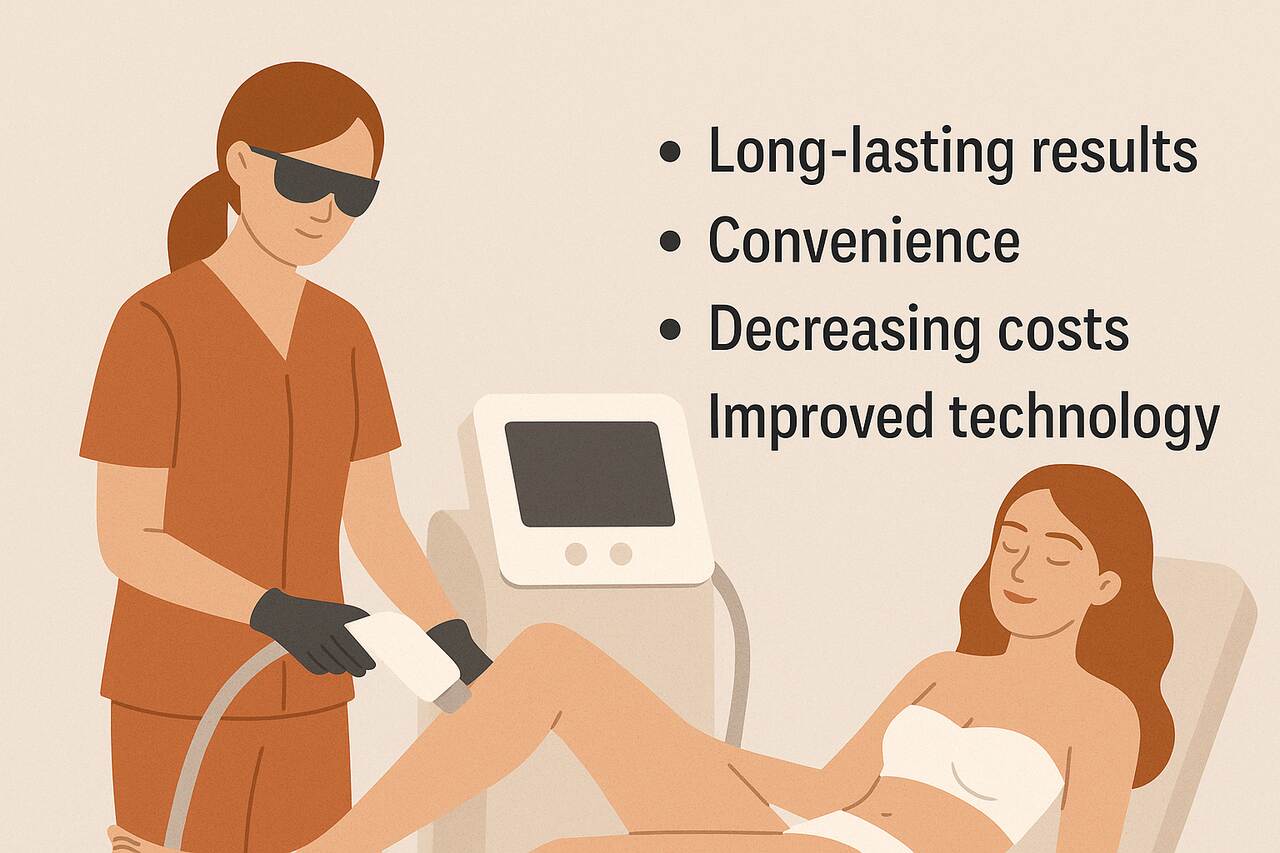

Laser hair removal has shifted from a luxury cosmetic procedure to a widely adopted grooming method that appeals to people seeking convenience, long-term results, and a more efficient personal care routine. As treatment technology continues to advance and pricing becomes increasingly accessible, many are exploring why laser hair removal is becoming more popular in both local clinics and nationwide providers. The trend reflects broader cultural changes, new lifestyle priorities, and the growing influence of digital media on consumer decisions.
Understand How Laser Hair Removal Works
Laser hair removal operates by directing concentrated light into the root of a hair follicle. The pigment inside the follicle absorbs the light, which weakens growth over repeated sessions and leads to long-term reduction. This process directly responds to the demand for smoother skin with less daily maintenance, offering a solution that reduces the need for shaving or waxing.
To carry out this process effectively, professional devices use targeted wavelengths. Diode lasers work well for medium to darker hair. Alexandrite lasers treat lighter skin with speed and precision. ND:YAG lasers allow treatment on deeper skin tones due to longer wavelengths that bypass surface pigment. These technologies support different goals, skin tones, and hair types while maintaining safety and consistency.
Real-world expectations depend on understanding hair growth cycles. Because only actively growing hairs respond fully, spacing sessions several weeks apart improves results. Clients often notice reduced density, slower regrowth, and finer texture as treatment progresses.
Recognize Why Popularity Is Growing Rapidly
Interest in long-term hair reduction has surged because people want practical solutions that streamline daily routines. Laser treatment removes the inconvenience of frequent shaving and the discomfort of waxing, delivering smoother skin for significantly longer periods. This appeals to those prioritizing efficiency and comfort.
Several factors reinforce this rise. Treatments have become more affordable as clinics expand and new competitors enter the market. Safety improvements broaden suitability for a wider range of skin tones, overcoming limitations that once discouraged many consumers. The cultural emphasis on self-care also plays a significant role, with personal grooming becoming part of wellness habits rather than merely cosmetic enhancement.
The trend is further shaped by lifestyle changes. Busy schedules push many toward longer-lasting grooming methods. Aesthetic trends highlighting smooth skin in fitness, fashion, and digital media also contribute to rising demand.
Identify Demographic Groups Driving Demand
Laser hair removal adoption is strongest among younger adults who value efficiency, appearance, and long-term savings. Millennials and Gen Z seek treatments that reduce maintenance while aligning with modern grooming preferences. As these generations prioritize personal well-being and self-image, they fuel a consistent increase in inquiries and bookings.
Women continue to represent a large portion of demand, particularly for full legs, underarms, Brazilian areas, and facial hair. Many choose laser treatments to address irritation from shaving or ingrown hairs from waxing. Because smoother skin photographs well, individuals active on social media also contribute to growth.
Observe Rising Adoption Among Men
Men increasingly turn to laser hair removal for chest, back, neck, and beard-line treatments. Many choose it to reduce shaving irritation, manage thick body hair, or refine grooming patterns. Fitness enthusiasts appreciate easier maintenance, while professionals prefer a polished look that aligns with workplace expectations. The normalization of male-focused grooming has made laser services more inclusive and widely accepted.
Compare Benefits With Other Hair Removal Methods
Laser hair removal stands out because it provides long-term reduction rather than temporary results. Shaving regrows within days and waxing returns within weeks. Laser treatments disrupt follicle activity, leading to smoother skin for months or years depending on maintenance.
Beyond longevity, the process minimizes common frustrations. Shaving often causes razor burn, cuts, and bumps. Waxing can be painful and cause irritation. By targeting the follicle directly, laser treatment reduces ingrown hairs and leaves skin feeling softer with consistent use.
Cost considerations also influence preferences. While the upfront investment is higher, long-term savings accumulate by eliminating repeat purchases of razors, shaving creams, and waxing appointments.
5-Year Cost Comparison
| Method | Average Annual Cost | 5-Year Estimated Cost | Longevity |
|---|---|---|---|
| Shaving | $150–$300 | $750–$1500 | Very short-term |
| Waxing | $500–$1200 | $2500–$6000 | Short-term |
| Laser Hair Removal | $1200–$2400 (series) | $1200–$2400 + touch-ups | Long-term |
Learn How Laser Fits a Range of Skin Tones and Hair Types
Modern devices allow treatment across fair, medium, and dark skin tones. Earlier systems relied heavily on contrast between light skin and dark hair, but current wavelengths target the follicle more precisely without overheating surrounding tissue. This widens suitability and helps more people safely achieve good results.
Hair color influences outcomes as well. Darker hairs absorb light most effectively, while lighter hairs require more sessions or may respond better to alternative methods. Technicians adjust settings based on each client’s unique combination of tone and texture for maximum effectiveness.
Understanding baseline suitability helps set realistic expectations. A thorough consultation ensures the treatment plan addresses individual goals and reduces the likelihood of irritation or suboptimal results.
Track Technological Improvements That Reinforce Growth
Newer devices integrate cooling systems, faster pulse delivery, and advanced targeting to enhance comfort and shorten session time. These developments make treatments easier to schedule during work breaks or busy routines.
Modern machines provide smoother gliding tips, improved wavelength options, and smart energy modulation that adapts to skin response. These upgrades increase precision, broadening who can benefit from laser hair removal.
Faster technology also supports larger areas such as legs and backs, reducing chair time and increasing clinic availability, which contributes to rising popularity.
Assess How Social Media Amplifies Demand
Digital platforms influence grooming decisions significantly. People regularly see before-and-after transformations, smooth-skin trends, and transparent discussions about personal routines. These visuals and testimonials normalize laser hair removal and spark curiosity among those who previously considered it inaccessible.
Videos showing pain levels, session durations, and real-time results make the process feel more approachable. The visibility helps consumers understand expectations and builds trust in the treatment.
See How Influencers and Celebrities Shape Perception
Public figures openly document treatment experiences, leading followers to consider similar choices. Their endorsements reduce stigma, highlight convenience, and encourage others to try laser hair removal. This effect moves the treatment from a luxury perception to a mainstream personal care option.
Evaluate Accessibility and Affordability Trends
Increased competition among clinics and the rise of national chains have made pricing more competitive. Packages often include discounted session bundles, loyalty benefits, or seasonal promotions, allowing more people to begin treatment.
Geographic expansion also improves access. Laser clinics are now common in suburban areas, not just large cities. This expanded availability supports steady consumer growth.
Explore Financing Options and Subscription Models
Many providers offer payment plans or monthly memberships that divide the cost into manageable installments. Subscription-based services also include touch-up sessions, reducing long-term expenses and encouraging consistent care. These flexible arrangements increase affordability for a wider audience.
Review Long-Term Results and Satisfaction Rates
Most individuals experience noticeable reduction after several sessions, with smoother texture and decreased density in treated areas. The long-term effect depends on hair type, hormonal factors, and treatment consistency, but satisfaction rates remain high due to the dramatic reduction in shaving and waxing needs.
Maintenance sessions preserve results over time, typically once or twice a year. Many people view the convenience of long-lasting smoothness as worth the investment compared to frequent temporary methods.
Aesthetic improvements also influence confidence and comfort, especially for those with coarse or fast-growing hair.
Prepare Properly for a Laser Hair Removal Session
Preparation enhances safety and ensures optimal results. Shaving the area before treatment prevents surface burns, while avoiding sun exposure reduces the risk of irritation. Clients often pause retinoids or exfoliating acids to maintain skin balance.
Technicians assess skin and hair characteristics to choose appropriate energy levels. Understanding medication usage or recent tanning helps tailor a safe experience. Proper preparation supports consistent outcomes and prevents complications.
After-care is equally important. Moisturizing, avoiding heat exposure, and using sunscreen protect the skin as it recovers from temporary sensitivity.
Address Common Myths and Misconceptions
Many believe laser hair removal works instantly, but visible reduction requires multiple sessions due to hair growth phases. Another misconception is that the treatment is extremely painful; with modern cooling systems, most people describe it as mild or tolerable.
Some assume the procedure is unsafe for darker skin, yet ND:YAG lasers have been designed specifically for this purpose. Another myth suggests that results last forever. While hair growth is significantly reduced, maintenance sessions help preserve long-term smoothness.
Understanding these clarifications empowers consumers to make well-informed decisions.
Determine Whether Popularity Will Continue Increasing
Market trends indicate a steady rise due to lifestyle preferences, better equipment, and growing cultural acceptance. As more people seek low-maintenance grooming solutions, laser hair removal remains aligned with broader wellness behaviors.
Environmental considerations also influence growth. Those aiming to reduce disposable razor waste often choose laser treatment for sustainability benefits.
The trend is unlikely to slow as affordability improves and clinic access expands.
Choose the Right Provider for Best Results
Selecting a qualified professional is crucial. A reliable provider uses medical-grade devices, performs thorough consultations, and adjusts settings for each treatment area. Clear communication about expectations and safety ensures a comfortable experience.
Prospective clients should evaluate certification, facility hygiene, equipment quality, and treatment protocols. Reading reviews or scheduling consultations helps assess compatibility.
A well-chosen provider prioritizes long-term care, clear guidance, and individualized plans that align with personal goals.
Locate Laser Hair Removal Services Near You
Most cities now offer multiple clinics specializing in permanent hair reduction. Local dermatology practices, medical spas, and national chains provide services with varying pricing structures and technologies. Proximity and scheduling availability influence the decision for many clients.
Comparing service plans, comfort levels, and device types helps determine the best option. Many clinics offer free consultations to explain treatment steps and assess suitability.
Consider Popular Clinics Offering These Services
Large providers and reputable local centers often feature advanced devices, experienced technicians, and flexible payment programs. National chains frequently promote membership models, while independent medical spas highlight personalized care. Evaluating these options ensures a balanced choice that fits both budget and expectations.
Conclusion
Laser hair removal continues gaining momentum because it delivers long-term convenience, smoother skin, and freedom from the repetitive cycle of shaving and waxing. The combination of improved technology, wider accessibility, competitive pricing, and cultural acceptance has transformed it into a mainstream grooming solution. As more people recognize the advantages and experience positive results, the trend is positioned to expand further, reshaping personal care habits for years to come. For more informative articles related to Beauty’s you can visit Beauty’s Category of our Blog.
FAQ’s
It offers long-term reduction rather than complete elimination. Many people experience significant thinning and slower regrowth, with occasional maintenance sessions to sustain results.
Most describe laser discomfort as mild, often likened to a quick snap. Modern cooling systems significantly reduce heat sensation, making it generally more tolerable than waxing.
Most areas require six to eight sessions spaced several weeks apart. Areas influenced by hormones may require additional treatments or periodic touch-ups.
Most providers recommend waiting until after pregnancy due to lack of research on the procedure’s effects during this period. Consultation with a medical professional is advised.
Younger generations value convenience, aesthetics, and long-term savings. The influence of social media also contributes to increased interest.
Lasers are preferred because their wavelength bypasses surface pigment and targets follicles safely for deeper skin tones.
