





Key Takeaways
- Traditional security models are insufficient against evolving cyber threats.
- Adaptive network protection integrates security directly into network architecture.
- Implementing Zero Trust principles enhances security resilience.
- Continuous monitoring and AI-driven tools are essential for proactive defense.
As cyber threats become increasingly sophisticated, businesses face mounting pressure to secure digital assets and protect sensitive data. The rapid expansion of remote work, cloud adoption, and interconnected systems has rendered traditional, perimeter-based security strategies inadequate. To address these vulnerabilities, organizations should explore next generation firewalls for enterprise security, which enable a proactive and integrated approach to network defense.
Modern network environments span multiple locations, devices, and applications, creating complex security challenges. Traditional security solutions often operate in isolation and are slow to adapt to emerging threats, leaving gaps that cybercriminals can exploit. Adaptive network protection offers a forward-thinking solution that weaves security into every layer of the network, making it foundational rather than reactive.
This shift towards adaptive security involves reimagining how businesses protect their infrastructure, moving beyond simple detection and response to a holistic and resilient strategy. The result is a security posture that evolves in step with new threats, ensuring that critical assets remain protected no matter how digital ecosystems change.
The Limitations of Traditional Security Models
Conventional security methodologies rely heavily on static boundaries and pre-configured rules that guard against known attacks. However, as technology advances and cybercriminals gain access to new tools, such as artificial intelligence and automated malware, these defenses have become easy to circumvent. Reactive detection, while helpful in some cases, often fails to keep up with threats that continuously morph and exploit recently discovered vulnerabilities.

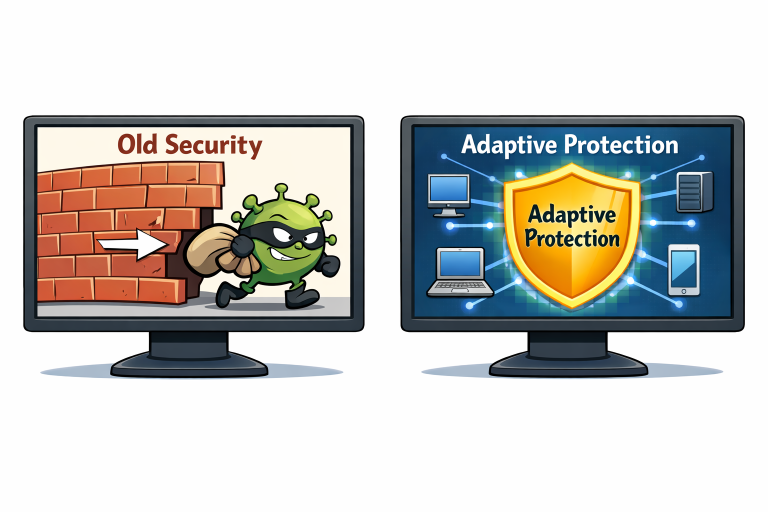
As digital infrastructure becomes more distributed, including widespread use of cloud services and remote access points, the attack surface grows exponentially. Static defenses cannot adequately cover all endpoints, data flows, and remote users, resulting in exposure. Microsoft notes that the pace of new threats has left traditional security models struggling to protect business-critical environments. To maintain continuity and trust with customers and partners, organizations must rethink their approach to network security, ensuring it is both flexible and robust.
Embracing Adaptive Network Protection
Adaptive network protection redefines security for the digital age, embedding defense measures into the core architecture of the network rather than relegating them to the periphery. This integrated design means every packet of data traversing the network is evaluated and monitored, regardless of the user’s location or device.
With adaptive protection, network security is dynamic and context-aware. Policies can automatically adjust to changes in user roles, device health, or emerging threats detected across the environment. According to Microsoft, embedding security at the network level not only strengthens defenses but also streamlines management for IT teams, allowing them to respond quickly to incidents and reduce downtime.
Because adaptive models are built on continuous data collection and real-time analysis, they help businesses quickly detect unknown threats and stop lateral movement before damage can occur. This proactive posture is essential for businesses that must comply with stringent regulations and protect customer data across a variety of platforms and ecosystems.
Implementing Zero Trust Principles
At the heart of adaptive network protection is the Zero Trust security model, which fundamentally shifts the way access is granted and monitored. Rather than relying on trusted zones or network segments, Zero Trust operates on the principle of “never trust, always verify.” This means that access is granted only after continuous validation of a user’s identity, device status, and contextual factors, regardless of where the access request originates.
Zero Trust strategies reduce the attack surface by ensuring that no device or user is implicitly trusted, and each access attempt is evaluated on its own merits. Gartner has identified Zero Trust architecture as a core strategy for modern organizations protecting future-ready IT infrastructure.
Implementing Zero Trust requires organizations to adopt technologies such as multi-factor authentication, micro-segmentation, and continuous risk assessment, ensuring access privileges are aligned with current risk levels and business needs.
Leveraging AI and Continuous Monitoring
Artificial intelligence and continuous monitoring tools are redefining how organizations identify and respond to emerging threats. AI-driven platforms can process and analyze massive volumes of network data, flagging unusual behaviors and threat indicators that would otherwise go unnoticed by traditional tools.
With the combination of machine learning and behavioral analytics, adaptive systems can flag potentially malicious activity in real time, initiating automated responses to isolate compromised devices and block unauthorized access. This kind of proactive detection, which leverages threat intelligence from global networks, is critical in preventing data breaches and stopping attacks before they spread.
The role of AI in network defense continues to grow, allowing organizations to stay ahead of attackers who increasingly use AI to craft smarter malware and phishing schemes. According to reporting from Axios, continuous integration of AI into cybersecurity practices is pivotal to defending against both automated and human-driven attacks.
Building a Resilient Security Culture
While robust technical controls are essential, businesses also need to cultivate a security-first culture across the organization. Employees should receive ongoing education about best practices in digital hygiene, secure use of devices, and recognizing phishing or social engineering attempts. Regularly updated policies and awareness programs can significantly reduce the risk of human error compromising business security.
Leadership must also reinforce security as a shared responsibility, integrating security awareness into every stage of the business lifecycle, from onboarding to product development to procurement. This cultural alignment ensures that everyone, from the C-suite to front-line workers, understands the vital role they play in defending the organization from threats.
Conclusion
To effectively future-proof business security, organizations must transition from fragmented, reactive approaches to integrated, adaptive network protection. Embedding security deep within the network architecture, embracing Zero Trust principles, leveraging AI-driven monitoring, and fostering a resilient security culture collectively create a dynamic defense that matches the complexity and speed of today’s threat environment. By adopting these strategies, businesses will be better equipped to navigate the evolving cybersecurity landscape and sustain operations despite ongoing challenges.


