

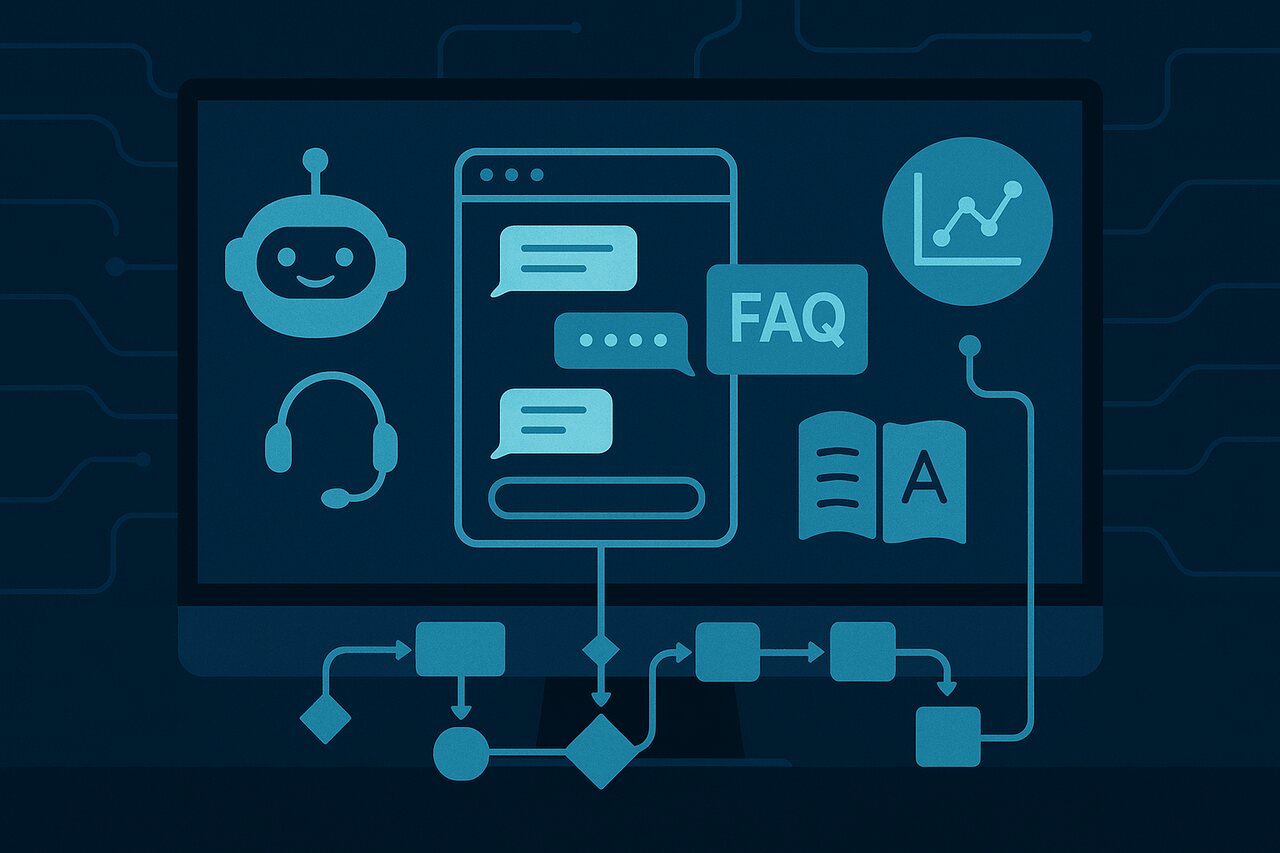

Customer service is a cornerstone of success in today’s fast-evolving business landscape, where companies must balance rising customer expectations with operational realities. Many organizations can’t afford to continuously increase headcount or dedicate budget to growing a support team year after year. Instead, the key lies in strategically improving the delivery of customer service. Businesses seeking more agile solutions are focusing on process improvements rather than expanding resources. For many, leveraging outsourced support solutions can supplement internal teams, ensuring quick, consistent customer interactions without the overhead of hiring additional staff members and retraining.
Streamlining service operations reduces costs and enhances team efficiency, allowing the focus to be on complex issues that require expertise. Modern technology, including automation and analytics, transforms customer interactions and mitigates bottlenecks. Self-service channels empower customers, alleviating staff workload and enabling a more responsive customer service operation. This strategy benefits organizations of all sizes by promoting business growth, customer retention, and operational efficiency. By prioritizing smarter systems over headcount growth, companies can foster loyalty and exceed expectations. A proactive, strategic approach supported by data is essential for adaptability and superior customer support in competitive markets.
Implement Self-Service Options
Providing comprehensive self-service resources is a true game-changer for customer support teams trying to manage demand. This involves building out robust FAQs, searchable knowledge bases, instructional videos, and community forums channels where customers can quickly find solutions to common and recurring problems at their own pace, without having to wait for an agent’s response. Research by Gartner reveals that self-service options significantly reduce support volumes and improve customer satisfaction scores. When customers feel empowered to solve issues themselves, they’re often more satisfied with the experience. This empowerment encourages customers to take control of their own journey, freeing your support team to focus on more nuanced or high-priority needs, maintain their morale, and minimize burnout from repetitive requests.
Leverage Automation and AI
Integrating automation tools and AI-driven chatbots enables businesses to address routine inquiries instantly and provide 24/7 assistance, regardless of the time of day or the scale of demand. These intelligent solutions allow support teams to route repetitive questions, collect customer information, and automatically present relevant resources. AI-powered systems can also categorize and escalate tickets, gather and synthesize data about customer preferences, and recommend helpful actions based on historical interactions, according to research from Harvard Business Review. Thanks to artificial intelligence, businesses can better anticipate what customers need and proactively address issues before they escalate. The result is increased operational efficiency, reduced resolution times, and stronger relationships with clients because they receive answers more quickly and conveniently.
Key Takeaways
- Implementing self-service options empowers customers and reduces support volume by allowing them to address their own needs independently.
- Leveraging automation and AI can efficiently handle routine inquiries, freeing agents to focus on more complex problems.
- Optimizing workflows and utilizing customer data enhances service quality and workflow consistency.
- Fostering a customer-centric culture improves overall satisfaction and brand loyalty.
Optimize Workflows
Streamlining internal support processes is crucial for minimizing friction and wait times in customer support. Start by mapping typical customer journeys and pinpointing workflow bottlenecks, from initial contact to resolution. Once you identify slowdowns or repetitive manual steps, leverage technology and updated processes to optimize these touchpoints. Project management tools and customer service platforms facilitate seamless team collaboration by centralizing communication, automating reminders, and monitoring case resolution timelines. With better tools and processes, support agents can handle higher volumes and more complex cases with greater efficiency and less stress. Optimized workflows also lead to higher productivity, increased transparency, and smoother handoffs between team members ultimately accelerating response times and enhancing the quality of each customer interaction, which further establishes trust and loyalty.
Utilize Customer Data and Analytics
Digging into customer data trends provides businesses with a powerful edge in tailoring and continuously improving their support operations. Analytics platforms reveal common pain points, track preferred communication channels, and help monitor team performance in real time. By leveraging comprehensive insights, you’ll be able to anticipate emerging needs, personalize interactions with context-aware service, and direct improvement efforts more strategically. Proactive data analysis can also alert teams to patterns in complaints, frequently asked questions, and opportunities for automation, allowing for rapid process improvements and innovation. This approach positions your business as proactive, adaptive, and highly responsive, demonstrating a commitment to both customer satisfaction and operational excellence.
Foster a Customer-Centric Culture
Sustaining customer service success requires a strong organizational culture. Cultivating a culture that genuinely prioritizes customers starts with effective team training, emphasizing empathy, proactive communication, creative problem-solving, and active listening at every customer touchpoint. Managers should encourage and celebrate positive service behaviors, recognizing outstanding contributions from frontline support staff. Invite regular feedback through surveys, online reviews, and suggestion boxes to ensure the customer voice is actively integrated into ongoing decision-making. A customer-focused mindset boosts staff morale, increases engagement, and yields lasting positive impressions with every interaction. When teams internalize the importance of service excellence, customer satisfaction becomes a natural outcome of day-to-day work.
Implement Omnichannel Support
Customers now expect seamless support experiences, delivered at their convenience whether via email, live chat, social media, messaging apps, or a phone call. Meeting these expectations requires an effective omnichannel support system that centralizes all communications, allowing agents to manage multiple channels from a single unified dashboard. Such platforms enable seamless handoffs between departments, ensure that customer records are consistent and accessible, and maintain a personal touch even as interactions move across platforms. Omnichannel solutions help avoid duplication, reduce the risk of miscommunication, and enable companies to track conversation history quickly, so customers don’t need to repeat themselves. This leads to greater satisfaction, loyalty, and a stronger brand reputation.
Automate Repetitive Ticketing Processes
Automating repetitive ticketing processes such as ticket creation, categorization, assignment, and prioritization is a practical and impactful way to reduce manual workloads. Automated workflows can instantly assign tickets to the right agents, escalate urgent requests based on defined rules, and generate status notifications for all stakeholders. By handling routine tasks internally, your team can dedicate more attention and expertise to complicated or high-stakes issues that drive real value for customers. This division of labor yields higher efficiency, clearer team responsibilities, reduced burnout, and ultimately, a smoother path to customer satisfaction and loyalty.
Conclusion
Efficient customer service doesn’t rely solely on team expansion. By leveraging self-service resources, harnessing automation, gathering and analyzing data, and adopting omnichannel technologies, organizations can build agile, high-performing support operations with fewer personnel. Fostering a customer-centric culture and optimizing internal workflows further amplify these benefits, empowering teams to deliver exceptional experiences while staying adaptable to changing business landscapes. With these strategies, businesses can confidently meet modern demands for swift and effective service driving long-term satisfaction, retention, and sustainable growth, all while maximizing the value of every resource and talent at their disposal.
