


A triple net lease, often abbreviated as NNN, has become a standard structure in commercial real estate because it shifts most operating costs away from the property owner and onto the tenant. This structure allows landlords to enjoy stable income with limited oversight, while tenants gain control over many aspects of property operations. Understanding how NNN leases function, how they compare with other lease types, and how they affect investment performance is essential for anyone involved in commercial property transactions. The following sections explore these details through practical explanations, financial guidance, and negotiation strategies tailored for both landlords and tenants.
What is a Triple Net Lease (NNN) and How Does It Differ From Other Lease Types?
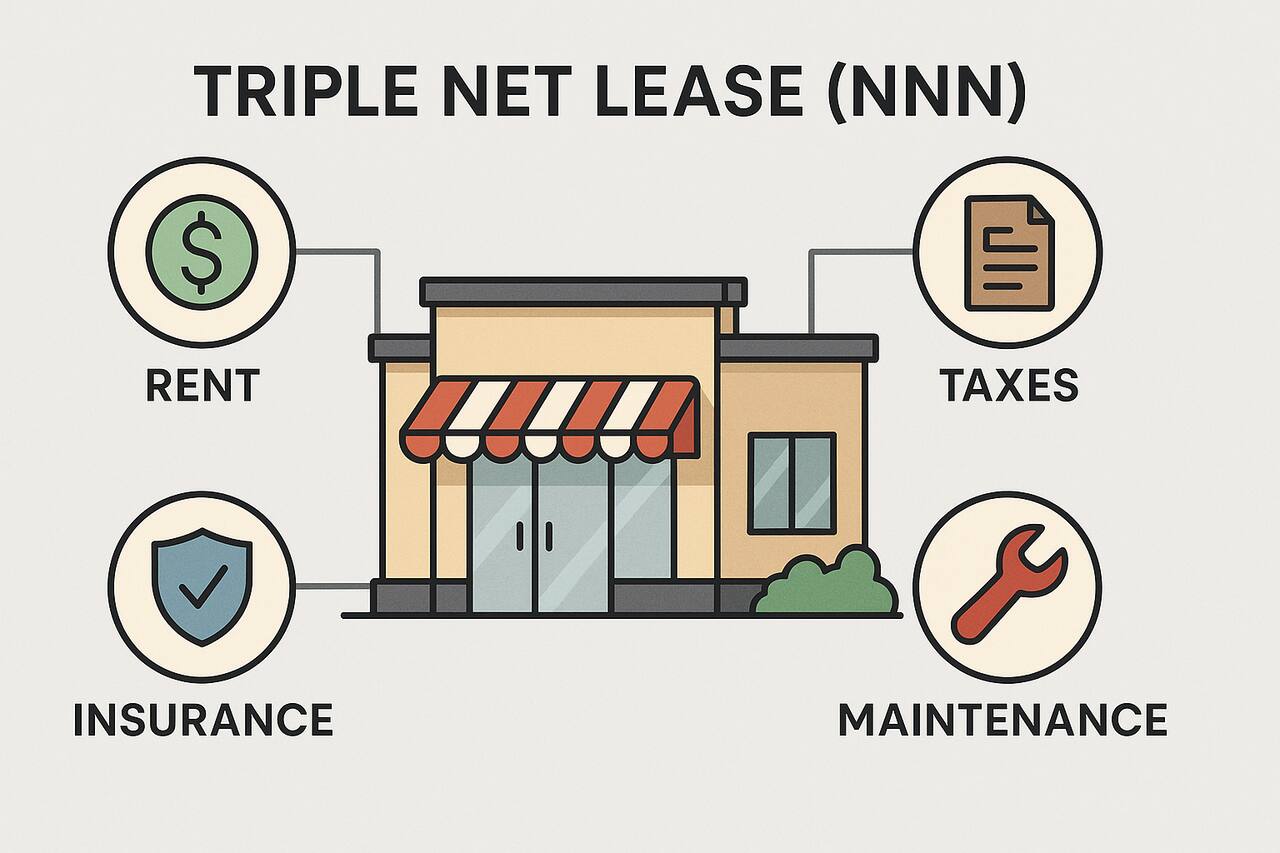
A triple net lease places responsibility for base rent, property taxes, insurance premiums, and operating maintenance directly on the tenant. This structure delivers predictable income for the landlord because most variable expenses fall outside the owner’s obligations. Tenants, in return, receive more direct control over the condition and operational standards of the property.
The typical NNN arrangement requires payment of property taxes, liability and property insurance, and day-to-day maintenance including repairs, landscaping, HVAC servicing, and sometimes larger replacements depending on the clause wording. These payments usually appear as separate pass-throughs or are collected monthly alongside the base rent.
Compared with other lease types, an NNN lease pushes operational responsibility to the tenant to a far greater degree. This can create high transparency for both sides because expenses connect directly to the activities occurring in the building. It also means both parties must carefully understand what is included and how costs are calculated.
How Does NNN Compare With Gross Lease, Modified Gross Lease, and Single/Double Net Lease?
A gross lease rolls most expenses into a single monthly payment, making budgeting easier for tenants but leaving landlords exposed to fluctuating costs. A modified gross lease splits responsibilities, which varies widely depending on negotiated terms. A single or double net lease assigns fewer expense categories to the tenant, typically taxes in an N lease and taxes plus insurance in a double-net structure.
An NNN lease stands at the far end of this spectrum, passing through nearly every operating cost. This difference affects investment value, risk allocation, and long-term cash flow. By understanding these distinctions, landlords position themselves to select lease structures aligned with their objectives, while tenants ensure they take on responsibilities they can manage efficiently.
Comparison Table
| Lease Type | Tenant Pays | Landlord Pays | Best For |
|---|---|---|---|
| Gross | Base rent | Taxes, insurance, maintenance | Office leases, short-term contracts |
| Modified Gross | Base rent plus selected expenses | Remaining operating expenses | Multi-tenant buildings |
| Single Net (N) | Taxes | Insurance, maintenance | Older properties or transitional leases |
| Double Net (NN) | Taxes, insurance | Maintenance | Retail strips, multi-tenant retail |
| Triple Net (NNN) | Taxes, insurance, maintenance | Structural components (sometimes) | Single-tenant retail, industrial, franchise tenants |
What Expenses Does a Tenant Typically Pay Under an NNN Lease?
Most NNN leases require payment of property taxes, insurance premiums, and all day-to-day maintenance. These include HVAC servicing, roof upkeep, fire protection systems, parking lot repair, signage, and landscaping. Many leases also require tenants to manage utilities, pest control, and security services.
The lease often outlines expense categories using CAM (Common Area Maintenance) allocations, especially in multi-tenant properties. Tenants may also handle capital replacements if the document’s wording includes “repair and replace” rather than simply “repair.” Because these obligations can become substantial, tenants must review historical records before signing.
The overall cost structure varies by property type. Industrial buildings tend to include fewer shared areas and therefore lower CAM charges. Retail centers, especially those with large parking surfaces and lighting systems, typically carry higher operating costs. Understanding these variations helps tenants plan budgets accurately and ensures landlords maintain market competitiveness.
Why Do Investors and Landlords Choose NNN Leases?
Landlords favor NNN leases because they deliver predictable income with limited property management involvement. Once the lease is executed, the tenant becomes responsible for operating and maintaining the property, freeing owners from many day-to-day tasks commonly found in other lease types. This predictable structure makes NNN assets attractive to passive investors.
The reduced management burden is especially significant for investors seeking stable, long-term returns. Many NNN tenants are national retailers with strong credit histories, including pharmacies, quick-service restaurants, and auto-service chains. These tenants often sign long-term agreements lasting 10 to 20 years, which further enhances reliability.
In addition, NNN leases allow landlords to achieve stronger underwriting certainty. Because the tenant bears operating risks, financial modeling becomes easier, and owners can project net income with fewer variables. This structure supports both institutional and private buyers seeking investment vehicles that behave similarly to fixed-income assets.
What Are the Benefits of NNN From a Landlord’s Perspective?
Landlords benefit from lower operating risk because expense increases do not directly affect their revenue. They also experience reduced administrative tasks, since the tenant handles vendor contracts, maintenance scheduling, and insurance procurement. These advantages streamline the investment process and create passive income profiles.
Another advantage is improved financing potential. Lenders often view NNN properties with long-term corporate tenants as reliable collateral, sometimes offering favorable rates. This can enhance leverage options for owners looking to expand portfolios or refinance existing debt.
Landlords also gain flexibility in exit strategies. Because NNN assets attract a broad buyer audience, resale opportunities are typically strong. Cap rates for NNN properties tend to reflect tenant quality, lease length, and property location, giving owners multiple pathways to optimize returns.
How Does NNN Provide Stable Income and Lower Management Burden?
The stability comes from predictable cash flow: tenants pay rent plus operating expenses, allowing landlords to receive net income with few fluctuations. This structure appeals to hands-off investors, retirees, and buyers crafting long-term wealth strategies.
Lower management involvement relies on the tenant’s contractual obligations. Tenants coordinate repairs, maintain compliance with codes, and manage everyday operations without the landlord’s intervention. These responsibilities make the property function similarly to a bond-like investment, maintaining consistent performance over long periods.
Variations arise when leases include carve-outs requiring owners to handle structural elements such as roofs or foundations. Even then, the overall workload remains minimal. Understanding these exceptions is key to maintaining stable expectations.
What Are the Risks and Drawbacks of a Triple Net Lease for Tenants and Landlords?
NNN leases shift many obligations onto the tenant, which can create financial strain if unexpected repairs arise. Tenants facing older buildings, undocumented maintenance issues, or unclear language about replacements may encounter major expenses that exceed initial projections.
Landlords face different challenges. Although operating responsibilities shift, rental income depends heavily on the tenant’s financial strength. A default can quickly disrupt the otherwise stable cash flow. Moreover, re-tenanting an NNN property, especially a single-tenant building, may require substantial capital if the space is specialized.
Both sides must evaluate the property carefully. A comprehensive understanding of cost structure, building condition, and market demand reduces risks and allows for more informed decision-making.
What Financial Risks Do Tenants Face Under NNN?
Tenants shoulder the burden of property taxes, which can fluctuate due to reassessment. Insurance premiums may rise following claims or changes in market conditions. Maintenance expenses, especially those tied to aging systems, can become significant if the equipment approaches end-of-life.
Unexpected capital expenditures can disrupt a tenant’s operating budget. For example, a failing roof or outdated HVAC system may require major replacements costing tens of thousands of dollars. If the lease does not distinguish between repair and replace obligations, tenants may legally bear these costs.
Many tenants mitigate risk by performing detailed inspections before signing the lease. Reviewing maintenance logs, utility usage, and past tax assessments helps identify potential issues early. Strong budgeting practices also reduce exposure to sudden financial burdens.
What Are Potential Landlord Risks?
Landlord risk primarily relates to tenant credit and potential default. Because the tenant bears operating responsibilities, owners rely on uninterrupted rent to achieve returns. If the tenant fails or the business closes, landlords may need to cover expenses temporarily until a new occupant signs a lease.
Vacancy risk is higher in single-tenant properties. If a major retailer or restaurant vacates, the building may require remodeling to attract a new tenant. This process can lead to extended downtime, reducing overall investment performance.
Another concern involves the structural elements of the property. Some NNN leases require landlords to maintain roofs, foundations, or exterior walls. These replacements can be costly if not budgeted or insured properly. Owners must balance these considerations when underwriting the property.
In Which Property Types and Situations is NNN Most Commonly Used?
NNN leases appear frequently in retail properties such as pharmacies, convenience stores, fast-food restaurants, and automotive service centers. These businesses prefer consistent monthly costs and operational control, making NNN a natural fit.
Industrial buildings also use NNN structures due to limited shared areas and straightforward maintenance requirements. Warehouses, distribution centers, and manufacturing facilities often rely on this lease type to streamline responsibilities.
Office buildings use NNN leases less frequently, although single-tenant offices or medical facilities sometimes adopt them. Market conditions and tenant bargaining power influence whether NNN fits the needs of each property.
Are NNN Leases Common in Retail, Industrial, or Office Spaces?
Retail remains the most dominant sector for NNN leases because many national chains prefer predictable occupancy costs. Properties with drive-thru layouts, fuel stations, or specialized configurations often rely on long-term NNN structures to protect both tenant operations and landlord investment goals.
Industrial users adopt NNN to maintain control of building systems and yard areas. These users prefer managing maintenance directly because operations rely heavily on equipment customization. Lease terms in industrial assets often allow tenants to modify interior spaces extensively.
Office properties see mixed usage. In multi-tenant offices, operating expenses split proportionally, making modified gross leases more typical. However, single-tenant headquarters buildings may still adopt NNN structures, especially when the tenant wants operational autonomy.
How Does Single-tenant Net-leased Property Investment Work?
Single-tenant NNN properties rely on a single source of income. The tenant occupies the entire building, signs a long-term lease, and assumes responsibility for taxes, insurance, and maintenance. Investors purchase these assets for predictable returns and minimal hands-on management.
These properties often trade based on cap rate, tenant credit quality, and lease duration. Franchise operators or corporate guarantors influence the perceived stability of the asset. Properties with strong tenants and long remaining lease terms typically command premium pricing.
Investors must analyze the building, lease structure, and surrounding market. If the tenant leaves at the end of the term, the property’s adaptability and location determine how quickly a new lease can be secured. Understanding this rollover risk is essential.
How to Evaluate the Financial Viability of a NNN Deal
Evaluating an NNN investment begins with analyzing net operating income, tenant credit, lease length, and market demand. Because tenants cover operating expenses, investors focus on stability and reliability of rental payments rather than fluctuating cost structures.
The next step involves examining revenue growth potential. Many leases include scheduled rental increases tied to fixed percentages or inflation indices. These increases protect purchasing power and contribute to long-term return.
Due diligence includes reviewing historical tax assessments, insurance histories, and maintenance logs. A strong understanding of property condition and expense patterns is necessary to ensure the investment aligns with projected performance.
What is a Cap Rate and How Does It Relate to Nnn Properties?
A cap rate measures the relationship between net operating income and the property’s value. Because NNN leases produce predictable income, investors often rely on this metric to compare assets.
NNN properties with national credit tenants typically sell at lower cap rates due to perceived stability. Properties with regional or local tenants may sell at higher cap rates to reflect increased risk. Cap rates also vary by property type, geographic region, and remaining lease term.
Understanding these trends helps investors evaluate whether the asking price matches the property’s risk profile. Because long-term NNN leases resemble fixed-income investments, cap rate considerations often parallel bond-pricing logic.
How to Run a NNN Property Pro-forma
A pro-forma summarizes expected income, expenses, and cash flow over a set period. In NNN investments, operating expenses mostly pass through to the tenant, so the pro-forma focuses on rental income, financing costs, and potential vacancy.
Sample NNN Pro-Forma Table (Simplified)
| Item | Annual Amount |
|---|---|
| Base Rent | $240,000 |
| Operating Expenses (Tenant Pays) | $0 to Landlord |
| Net Operating Income | $240,000 |
| Debt Service | $150,000 |
| Cash Flow Before Taxes | $90,000 |
| Cap Rate (NOI / Price) | 6 percent |
Using this structure, investors evaluate cash-on-cash return, leverage impact, and long-term appreciation potential. They also assess renewal probabilities, replacement costs, and area demand.
What Due Diligence Should Investors Perform?
Due diligence includes reviewing tax records, insurance claims, utility bills, and maintenance logs from multiple years. These documents help reveal cost patterns and identify hidden risks such as deferred maintenance or tax reassessments.
Inspections should cover roofs, HVAC units, parking lots, plumbing, electrical systems, and structural components. Legal review ensures proper definitions for “repair,” “replace,” “structural,” and “capital expense,” which directly influence risk allocation.
Evaluating tenant creditworthiness is also crucial. Annual reports, financial statements, and franchise disclosures help determine the reliability of rent payments. Strong due diligence supports stable performance and insulates investors from unexpected issues.
What Are Best Practices for Negotiating a Triple Net Lease?
Negotiating an NNN lease requires clear understanding of responsibilities and cost allocations. Landlords aim to maintain predictable income and minimal involvement, while tenants seek clarity in expense obligations and risk protection.
The negotiation process should focus on operational boundaries, replacement obligations, escalation clauses, and property condition standards. Both sides benefit from well-defined language because it prevents misunderstandings during the lease term.
A thorough negotiation increases transparency and ensures long-term stability. Reviewing comparable lease structures in the market also assists in aligning expectations for both parties.
What Lease Terms and Clauses Should Landlords Watch?
Landlords monitor responsibilities related to repairs versus replacements, particularly for roofs, HVAC units, and structural systems. They aim to avoid obligations that diminish net income or increase management involvement.
Clauses defining property condition at turnover also matter. Landlords often request that tenants return the property in good repair, excluding normal wear. This protects long-term value and reduces future capital needs.
Another important area involves expense escalation. Even though tenants pay most expenses, landlords want clarity on rent increases to maintain purchasing power. Clear indexing mechanisms reduce future disputes.
How Can Tenants Negotiate Protections?
Tenants typically request expense caps on items such as CAM charges, tax increases, or insurance premiums. They also seek audit rights allowing them to review how expenses were calculated, which prevents overcharging.
Tenants often negotiate distinctions between day-to-day repairs and major replacements. If the lease obligates the tenant to maintain equipment, they may request that the landlord handle full replacements for large-ticket items.
Additional protections include clearly defined maintenance standards and notice requirements before the landlord inspects or intervenes in property matters. These measures create balanced responsibilities and protect the tenant’s operational interests.
Are NNN Leases a Good Option Globally and What Should Investors Watch for?
NNN leases are most common in the United States due to consistent property-tax structures, insurance frameworks, and commercial leasing norms. Other countries may use similar models, but regulations, taxation systems, and customary lease practices vary widely.
Investors exploring foreign markets must understand how local law defines landlord and tenant responsibilities. Some jurisdictions restrict how expenses can be passed through, while others maintain very different maintenance standards.
Currency risk, legal interpretation, and cultural expectations also influence whether NNN leases are viable in a given region. Professional legal guidance is essential when navigating unfamiliar frameworks.
How Do Property-tax, Insurance, and Maintenance Norms Vary Across Jurisdictions?
In some countries, property taxes are minimal or nonexistent, making NNN structures less relevant. Insurance requirements also differ, potentially shifting obligations back to landlords. Maintenance responsibilities often depend on civil law traditions, which may assign structural maintenance exclusively to property owners.
Regions with heavy regulatory oversight may require landlords to retain more involvement, limiting the ability to transfer responsibilities. Economic conditions also affect whether tenants are willing to accept wide-ranging obligations under long-term leases.
Understanding these variations ensures investors do not assume U.S. standards apply universally. Market research and legal review are essential when expanding across borders.
What Legal or Regulatory Issues May Arise in Emerging Markets?
Emerging markets may pose challenges related to lease enforceability, title systems, environmental compliance, and taxation. Some regions lack standardized practices for passing through expenses, which can complicate NNN-style arrangements.
Foreign ownership laws may prevent investors from directly acquiring property, requiring alternative structures such as joint ventures or long-term land leases. Political risk, inflation, and currency volatility can also influence investment performance.
By assessing these issues early, investors develop strategies that align with local expectations and reduce long-term uncertainty.
What Are Common Myths vs Realities About Triple Net Leases?
Several misconceptions surround NNN leases. Many assume landlords bear no responsibility at all, yet structural components or capital items may remain their obligation. Others believe NNN leases always carry lower risk, yet tenant creditworthiness and rollover risks still influence performance.
Understanding the true nature of NNN structures helps investors, landlords, and tenants make decisions grounded in real-world conditions rather than assumptions.
Does NNN Always Guarantee Zero Landlord Responsibility?
No. Many NNN leases still require owners to maintain roofs, foundations, load-bearing walls, or exterior structures. The lease language determines which obligations remain with the landlord. Assuming “NNN” means “zero responsibility” leads to costly misunderstandings.
In some cases, landlords may also handle environmental issues, compliance tasks, or large-scale capital improvements. Clarifying these obligations ensures both sides understand their duties.
Property age, construction type, and market norms influence how responsibilities divide. Reviewing the lease carefully prevents incorrect assumptions.
Is NNN Always Lower Risk for Landlords Than Other Lease Types?
NNN leases reduce operating risk but not tenant risk. If a tenant defaults, landlords must cover expenses and find a replacement, which can take months or even years depending on market conditions. Owners of single-tenant properties face particularly high rollover risk.
Market demand, location strength, and tenant credit all influence risk level. NNN assets in declining areas or with weak tenants may underperform gross or modified gross leases in stronger markets.
Risk evaluation must combine lease structure, credit strength, and local economic conditions to form a complete picture.
Conclusion
A triple net lease provides a balanced framework for landlords seeking predictable income and tenants desiring operational control. The structure shifts most property expenses to the occupant, granting owners a passive investment option while offering tenants transparency and autonomy. Evaluating the financial viability of NNN deals requires careful analysis of tenant credit, lease duration, property condition, and long-term market trends. Whether used in retail, industrial, or specialized commercial spaces, NNN leases continue to serve as a valuable tool for creating stability and aligning interests in real estate investment. For more informative articles related to Real Estate’s you can visit Real Estate’s Category of our Blog.
FAQ’s
Tenants typically pay property taxes, insurance premiums, maintenance, utilities, and operating costs such as landscaping, HVAC servicing, and parking lot upkeep.
Not always. Although operating risk is lower, landlords remain exposed to tenant default, vacancy risk, and potential structural obligations.
Yes. Tenants frequently negotiate caps on CAM charges or require audit rights to verify calculations of pass-through expenses.
Investors divide net operating income by purchase price to calculate cap rate, then use cash flow projections to measure cash-on-cash return and overall yield.
Under most NNN leases, the tenant pays the increase. Tenants must review historical tax and insurance trends before signing.
Yes, especially in industrial and single-tenant office buildings, although retail remains the most prominent sector using NNN structures.
It depends on local taxation systems, insurance requirements, and legal norms. Some jurisdictions limit pass-through expenses or assign maintenance differently.
