



Understanding the Landscape of Educational Funding
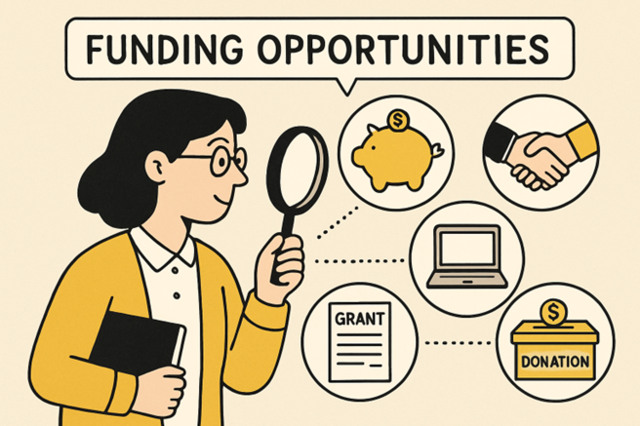
For educators striving to enhance their classrooms, navigating funding opportunities can feel overwhelming. Traditional sources, such as school district budgets and PTA fundraisers, are quickly exhausted; yet, many creative and lesser-known funding channels exist to bridge the gap. From private foundations to innovative online platforms, these hidden pathways can help teachers secure what they truly need for their students.
Educators need to broaden their search and leverage specialized platforms dedicated to supporting classroom needs. Tools and resources found through options like elementary school grants can offer essential guidance for teachers seeking real-world examples and sources tailored specifically to elementary education. Exploring this landscape means thinking beyond the usual, tapping into overlooked grants, and maximizing available opportunities.
Exploring Nonprofit Grants and Foundations
Nonprofit organizations are invaluable partners for educators. Organizations and initiatives enable teachers to articulate precise classroom needs and connect with dedicated donors. Projects can range from funding classroom libraries to securing art supplies or science kits. This approach does more than secure monetary support; it encourages community involvement and fosters transparency between teachers and supporters.
Leveraging State and Federal Programs
Government grants are a critical but sometimes overlooked resource for teachers. At the federal level, programs such as the U.S. Department of Education’s Teacher Quality Partnership support professional development and classroom enrichment. State initiatives are designed to finance credential expansions and innovative curriculum projects. State departments of education often maintain up-to-date grant listings on their official websites, making it easier for teachers to identify new opportunities.
Teachers can also collaborate with administrators to identify team-based grants that benefit entire departments or grade levels, thereby maximizing the scope and impact of each funding opportunity.
Utilizing Crowdfunding Platforms
Crowdfunding has emerged as an effective avenue for educators seeking targeted support. By crafting compelling narratives around classroom needs, teachers can engage a broad audience on platforms like GoFundMe or Kickstarter. Successful campaigns often include vivid descriptions, photos, and testimonials that personalize the request, building trust with potential supporters.
Crowdfunding doesn’t just meet financial needs it can raise awareness about ongoing challenges in education. Teachers have used these platforms to fund everything from field trips to STEM resources, gaining both resources and community support.
Engaging with Local Businesses and Community Organizations
Local businesses and community organizations are frequently willing to support neighborhood schools through sponsorships, donations, or even volunteering. These partnerships can result in funding, in-kind donations, or unique learning opportunities for students. Engaging with groups such as the local chamber of commerce or service clubs, like Rotary, can lead to both short-term and long-term collaborations.
Building a partnership involves more than simply asking for money it’s about establishing ongoing relationships based on mutual benefit and shared goals. Many businesses take pride in supporting educational causes that empower local youth, and visible partnerships can also enhance a business’s public image in the community.
Participating in Professional Development Grants
Teacher professional growth directly translates to stronger student achievement. Numerous organizations offer grants supporting workshops, university coursework, and conference attendance. These grants often made available through organizations equip educators with new skills and firsthand experiences, which can then be applied to transform classroom instruction.
When applying for professional development funding, educators should clearly outline the anticipated impact on their teaching practice and how new learning will be shared with colleagues.
Applying for Technology and Equipment Grants
Integrating modern technology in the classroom prepares students for a digital world, yet high costs can be prohibitive. To bridge this gap, various corporations and nonprofit entities offer grants for educational technology. Lightspeed Systems, for example, funds initiatives that bring tablets, interactive boards, and learning software directly into the classroom.
Staying informed about technology-specific grants, such as those published on education technology sites or through corporate philanthropy programs from companies like Google for Education, enables teachers to modernize their learning environments and create equitable access to technology for all students.
Staying Informed and Proactive
The funding landscape evolves quickly, with new opportunities emerging each academic year. Teachers who subscribe to educational newsletters, join professional networks, and participate in grant-writing workshops are more likely to discover funding prospects before they close.
Building a grant calendar, joining educator social media groups, and networking at professional conferences are practical strategies for staying informed about the latest funding news. When teachers adopt a proactive approach, they empower their classrooms and set students on a path toward greater academic and personal success.
Leveraging all available funding opportunities both visible and hidden enables teachers to create rich, immersive, and equitable classroom experiences that support lifelong learning.
