




The car didn’t flip. There was no blood. You even walked away. So why can’t you focus? Why does everything feel… wrong?
That’s the thing about traumatic brain injuries (TBIs). They don’t always scream. Sometimes they whisper. They show up days later as headaches, forgetfulness, irritability, and a general fog you can’t shake. You start forgetting names. Your patience thins. You’re tired all the time, but can’t sleep.
And when it comes to filing a legal claim? None of that shows up on a cast or bruise. Which means it’s time to build a case out of evidence that lives in the shadows.
This is exactly what traumatic brain injury lawyers in San Antonio are trained to do: dig. Connect the invisible dots. Build a case that proves what others can’t see and make it undeniable.
So, what does that evidence actually look like?
Let’s Start With the Scans But Don’t Count On Them Alone
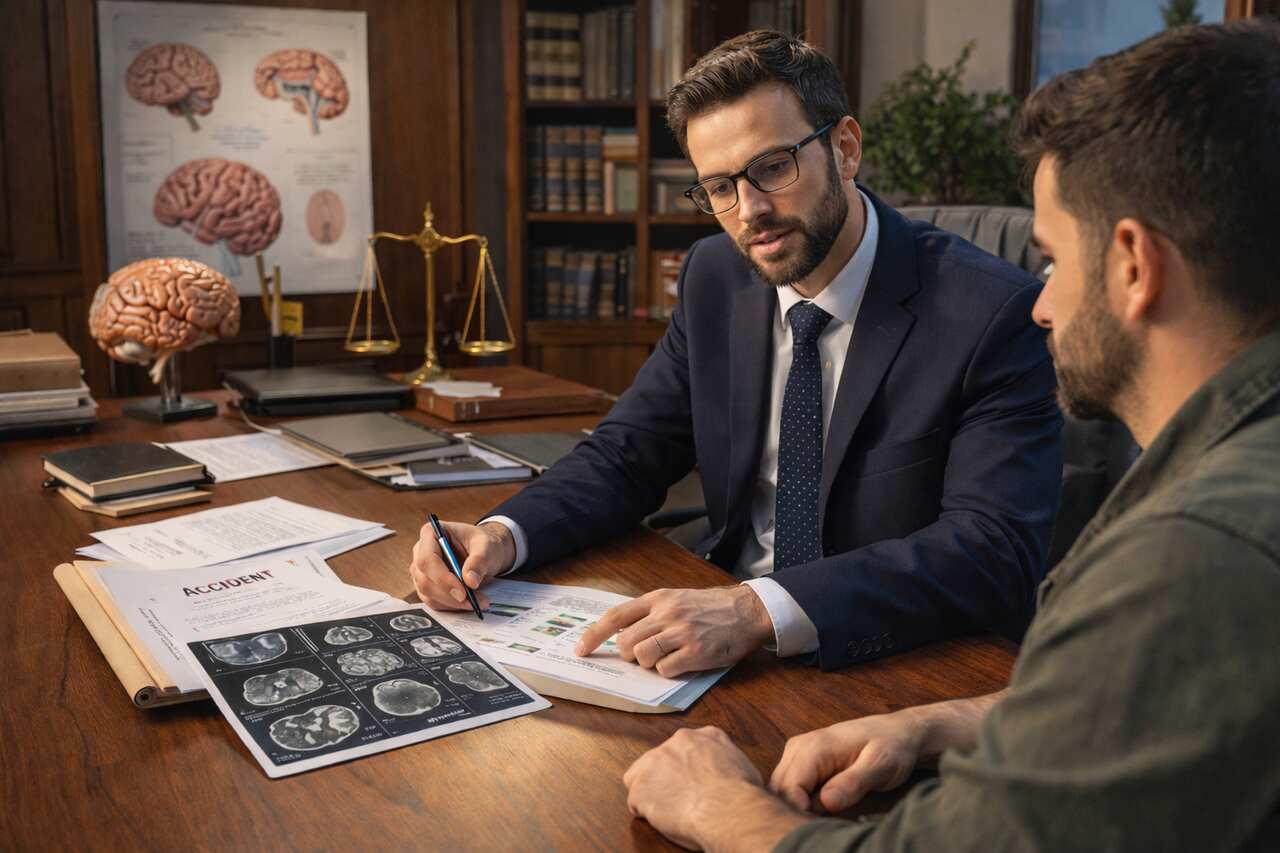
CT scans. MRIs. DTI imaging. They sound high-tech. And they are. But here’s the inconvenient truth: most mild to moderate TBIs don’t show up on standard scans.
Still, they’re the first thing any lawyer checks. Why?
- CTs can catch bleeding or fractures.
- MRIs are better at detecting subtle damage.
- DTI scans (Diffusion Tensor Imaging) can show disrupted neural pathways.
But if your scans are clear? That doesn’t mean you’re imagining things. It just means your attorney needs more and they know exactly where to look next.
Medical Records: The Breadcrumb Trail
Every appointment. Every complaint. Every “something feels off.”
Medical records give lawyers the paper trail that connects your injury to your symptoms. They look for:
- Timelines: Did symptoms appear shortly after the incident?
- Consistency: Have doctors documented memory issues, mood swings, headaches?
- Referrals: Were you sent to a neurologist or therapist?
Pro tip? If you played it tough and skipped the doctor, that doesn’t kill your case but it does make the climb steeper.
Your Spouse Thinks You’ve Changed. That Counts.
You might not notice what others do.That’s why lawyers gather personal testimony from:
- Spouses
- Parents
- Coworkers
- Friends
Why? Because they can say things like, “They used to be patient. Now they’re constantly agitated.” Or, “They used to run meetings. Now they can’t get through a grocery list.”
These observations pack more punch than you might think. Jurors relate to real people telling real stories and that can move the needle.
Neuropsych Testing: Where the Fog Gets Quantified
You say your brain feels scrambled. Neuropsychologists can measure that scramble.
This testing goes deep:
- Memory (both short- and long-term)
- Processing speed
- Attention and concentration
- Emotional regulation
- Executive functioning
It’s clinical, yes but incredibly human. It shows how your day-to-day life has shifted. Suddenly, it’s not just your word. It’s documented dysfunction, in black-and-white.
Work and School Records: Before vs. After
A lawyer will absolutely ask:
“What could you do before that you can’t now?”
And then they’ll go get proof:
- Pay stubs showing a loss in income
- Job performance reviews from before and after the injury
- School records or academic support needs (especially for teen or child victims)
Loss of earning capacity is real. And when tied to brain function? It becomes a major part of the compensation argument.
Scene Evidence and the “Moment It Happened”
You say the fall at the hardware store caused the injury. But does the camera footage agree?
Lawyers go after:
- Surveillance video
- Incident reports
- Eyewitness accounts
- Accident reconstructions (in traffic cases)
Why? Because you can’t just prove you have a TBI you have to connect it to the event. That’s where these pieces of evidence bridge the gap.
Expert Witnesses: Translating Science Into Story
Your injury is real. But someone an insurance adjuster, maybe a jury needs to understand it.
That’s where experts come in:
- Neurologists
- Neuropsychologists
- Economists (for lifetime cost estimates)
- Life care planners
They turn invisible symptoms into dollar amounts and future needs. They explain why therapy three times a week isn’t excessive it’s survival.
Final Word: No One Sees It. Until You Show Them.
Here’s the hardest part about a brain injury: it hides. No cast. No stitches. Just symptoms that disrupt your life in quiet but relentless ways.
And when you decide to file a claim? The burden’s on you to prove that disruption. But you don’t have to do it alone.
Traumatic brain injury lawyers in San Antonio know exactly where the evidence hides—and how to bring it out into the light.
Because your story deserves to be believed. And more importantly, it deserves justice.


