

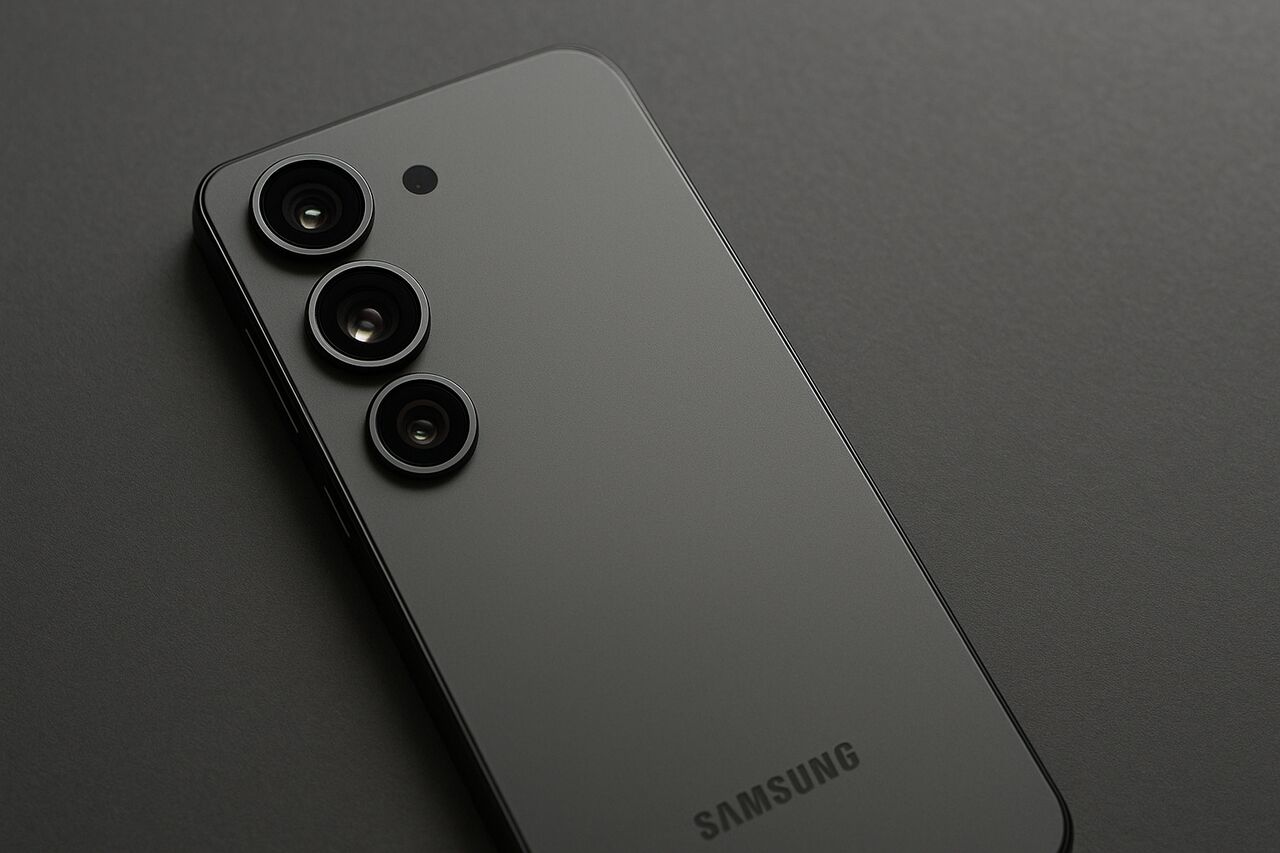

Samsung is reportedly preparing a unified telephoto camera upgrade across the entire Galaxy S26 lineup, signaling a major shift in its flagship smartphone strategy. Unlike previous generations that reserved advanced zoom capabilities for the Ultra model, all Galaxy S26 variants base, Plus, and Ultra are expected to feature significantly enhanced telephoto lenses. This strategic move reflects Samsung’s intent to standardize premium camera experiences across its product tiers while responding to growing consumer expectations for high-performance mobile photography. By integrating larger sensors, improved optical zoom, and AI-driven image processing across the board, the Galaxy S26 series aims to redefine imaging parity and reinforce Samsung’s leadership in computational photography innovation.
Related Article: Top 5 Upcoming Chinese Flagship Smartphones: AI-Centric Hardware, Satellite Connectivity, and Next-Gen Display Innovations
📸 What Telephoto Camera Advancements Are Expected in the Samsung Galaxy S26 Series?
Samsung is reportedly integrating a significant telephoto lens upgrade across the entire Galaxy S26 lineup, including the base S26, S26 Plus, and S26 Ultra models. The implementation marks a shift in Samsung’s mobile imaging strategy, aiming to unify high-end camera capabilities across all tiers. This move aligns with increasing user demand for optical zoom quality in non-Ultra flagship devices.
The telephoto module is rumored to use a larger sensor size, potentially improving light intake and image clarity during zoom photography. Unlike previous generations where only the Ultra variant offered a periscope telephoto system, all Galaxy S26 models may now adopt a similar optically stabilized zoom module.
The upgrade suggests Samsung’s intention to eliminate the gap between Ultra and standard models regarding zoom functionality, reinforcing a more cohesive product identity. The uniform implementation of improved zoom across models also boosts Samsung’s competitiveness against rivals like Apple and Google, who have begun standardizing flagship camera specs.
🤔 Why Is Samsung Prioritizing a Unified Telephoto Strategy?
Samsung is responding to user feedback and competitive trends by eliminating segmentation in its camera offerings. Many consumers expressed dissatisfaction with downgraded camera modules in non-Ultra versions of previous Galaxy S series. By addressing this, Samsung aims to deliver a uniform flagship experience.
In the smartphone imaging ecosystem, telephoto lenses play a crucial role in portrait photography, object isolation, and lossless digital zoom. Introducing parity across devices enhances the brand promise of flagship performance, regardless of model tier.
The shift aligns with semantic trends in consumer tech, where high-resolution zoom photography is now a baseline expectation rather than a premium feature. As competitors reduce feature disparity between their standard and Pro models, Samsung’s updated approach reflects strategic alignment with market expectations.
Additionally, a consistent camera system across the S26 lineup reduces manufacturing complexity and aids in software optimization for AI-powered image processing, contributing to better HDR, object recognition, and scene analysis consistency.
📐 What Are the Technical Specifications Expected in the New Telephoto Lens?
The rumored telephoto upgrade for the Galaxy S26 series includes a larger image sensor, likely around 1/2.55″ or bigger, to enhance depth, detail, and low-light performance. A wider aperture size (e.g., f/2.0) may also be introduced to allow more light intake, reducing noise in zoomed photos.
Samsung is expected to maintain or slightly enhance the optical zoom range, possibly offering up to 5x optical zoom even in the base model. Hybrid zoom and AI-based Super Resolution processing will extend zoom performance digitally while maintaining clarity. Improvements in optical image stabilization (OIS) will ensure steadier shots at higher focal lengths.
The company may also incorporate variable focal length technology, previously seen in Xperia devices, which allows the lens to switch between zoom levels mechanically without cropping the sensor. This shift could mark a step toward hardware-based zoom versatility rather than digital interpolation.
🤖 How Will AI and Image Processing Integrate with the New Camera System?
Samsung’s AI camera stack, built on ISP (Image Signal Processor) enhancements and Neural Processing Units (NPUs), will play a pivotal role in leveraging the upgraded telephoto hardware. Machine learning algorithms will assist in multi-frame synthesis, AI zoom stabilization, and semantic scene understanding.
Galaxy S26 models may introduce real-time subject detection in telephoto mode, enhancing edge detection in portrait photography. With improvements in computational photography, devices can capture semantic layers such as foreground and background more distinctly, leading to DSLR-like image separation.
Advanced semantic segmentation will allow the device to recognize objects and apply zoom optimizations dynamically. For example, when capturing architecture or wildlife, the system can adjust sharpness, exposure, and color grading in response to identified subjects and environmental lighting.
🔍 What Are the Broader Implications for Mobile Photography Trends?
The standardized telephoto upgrade signals a broader shift in the mobile industry toward camera parity across product tiers. Consumers are no longer willing to compromise on core camera features when choosing a lower-priced flagship variant. The Galaxy S26’s strategy reflects a growing demand for functional equality in smartphones.
Increased emphasis on telephoto capabilities repositions mobile phones as primary imaging tools, particularly for creators and professionals who require mobility with high-quality zoom. As platforms like Instagram and TikTok evolve to support high-resolution video zoom and cinematic framing, hardware upgrades such as this become essential.
Samsung’s decision may influence the trajectory of other manufacturers toward integrating advanced zoom optics, even in their base models. Brands like Xiaomi, Vivo, and OnePlus could follow suit to meet rising standards in mobile photography. For more informative articles related to News you can visit News Category of our Blog.
Read Also: Apple and Samsung Repeat XR Interface Error Meta Solved in 2018
