

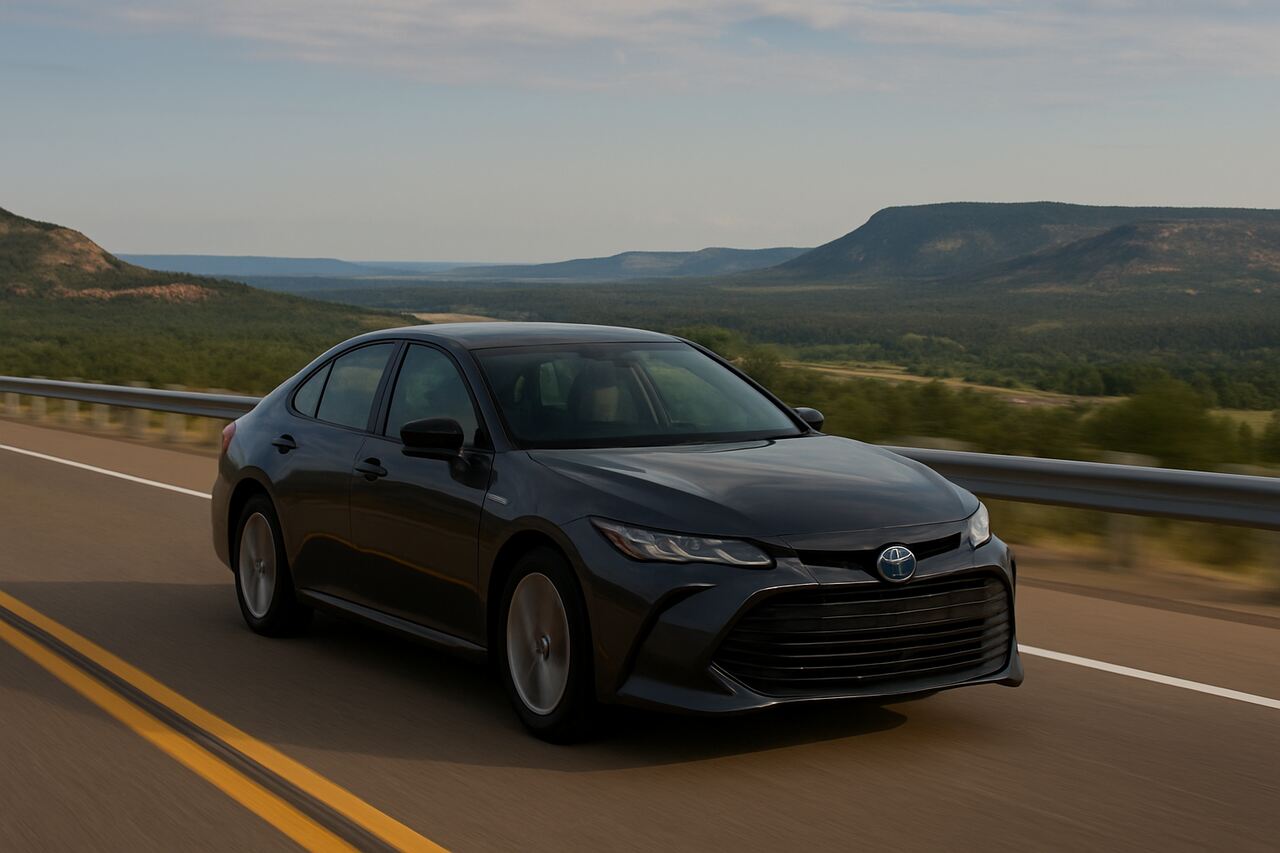

Toyota’s strategic emphasis on hybrid vehicles in the U.S. reflects a calculated divergence from the industry-wide race toward full electrification. While many automakers are committing billions to battery electric vehicle (BEV) platforms, Toyota positions hybrid electric vehicles (HEVs) as a more immediate, scalable, and pragmatic response to the specific behavioral, infrastructural, and regulatory conditions of the American automotive landscape. Consumer reluctance toward EV charging limitations, fluctuating energy infrastructure, and cost-sensitive purchasing behavior collectively inform Toyota’s decision to expand its hybrid portfolio rather than overinvest in BEV adoption prematurely. By leveraging decades of hybrid powertrain innovation and integrating them across high-demand vehicle segments, Toyota sustains competitive advantage while maintaining environmental compliance and operational efficiency.
Why Is Toyota Favoring Hybrid Technology in the U.S. Market?
Toyota’s strategic preference for hybrid vehicles in the U.S. reflects a data-driven response to regional consumer demand, infrastructure limitations, and cost optimization. Rather than committing fully to battery electric vehicles (BEVs), Toyota leverages hybrid electric vehicles (HEVs) as a transitional technology that aligns better with American driving patterns, fuel prices, and EV skepticism.
What Are the Market Signals Driving Toyota’s Hybrid Investment?
U.S. consumer behavior shows sustained interest in fuel efficiency without range anxiety. While BEV adoption is growing, market penetration remains below 10% as of 2025. Toyota interprets this as a signal to scale hybrid technologies, which offer improved fuel economy without dependency on charging infrastructure. Data from the Automotive News Data Center confirms hybrids outsold EVs for Toyota in the U.S. over the past 12 months, reinforcing hybrid dominance in consumer purchasing behavior.
How Do Regional Energy Infrastructures Impact Toyota’s EV Deployment?
Charging station density and power grid stability in many U.S. regions remain insufficient for mass EV adoption. Toyota’s hybrid approach mitigates the risk of underutilized EV assets in areas lacking fast-charging stations or reliable grid capacity. The energy infrastructure gap directly influences Toyota’s allocation of R&D funding toward scalable hybrid platforms such as the TNGA (Toyota New Global Architecture).
What Role Do Regulatory Policies Play in Shaping Toyota’s Hybrid Strategy?
Federal and state emissions regulations offer compliance flexibility for hybrid models. The EPA’s tailpipe emissions targets, alongside CARB’s (California Air Resources Board) ZEV credits, recognize plug-in hybrids (PHEVs) and HEVs as contributing to decarbonization. Toyota capitalizes on this by deploying hybrid models that fulfill emissions benchmarks without requiring full electrification, allowing the brand to optimize fleet compliance without overwhelming production pipelines.
How Does Toyota’s Supply Chain Efficiency Support Hybrid Production?
Toyota’s hybrid supply chain benefits from decades of refinement and global scalability. Battery sourcing for HEVs uses fewer rare earth elements compared to BEVs, reducing exposure to geopolitical supply risks. The automaker’s vertically integrated logistics for hybrid drivetrain components further enables cost-efficient mass production, which enhances pricing competitiveness in the U.S. retail market.
Which Toyota Models Anchor the U.S. Hybrid Portfolio?
Toyota’s U.S. hybrid lineup centers on high-demand vehicle classes, including SUVs, sedans, and pickup trucks. The strategic model distribution addresses diverse demographic preferences while promoting electrified fuel savings.
How Does the Toyota RAV4 Hybrid Dominate the Compact SUV Segment?
The RAV4 Hybrid combines AWD capability with a 40+ MPG efficiency benchmark. American consumers prioritize utility, and this model delivers crossover versatility with electrified propulsion. The RAV4 Hybrid’s dual-motor e-AWD system has become a critical selling point, enhancing traction without compromising fuel economy.
Why Is the Toyota Prius Still Relevant in 2025?
The redesigned Prius integrates advanced aerodynamics with lithium-ion battery improvements. The fifth-generation Prius features a lower center of gravity, enhanced thermal management, and a sportier profile, aligning with modern design expectations. Its improved acceleration and expanded electric-only range preserve its legacy as a gateway hybrid in the North American market.
What Is the Strategic Value of the Toyota Highlander Hybrid?
The Highlander Hybrid offers a three-row solution for eco-conscious families. Targeting the mid-size SUV segment, the model balances space, comfort, and a 35 MPG combined efficiency rating. Its popularity among suburban households contributes significantly to Toyota’s overall hybrid sales volumes in North America.
How Does the Toyota Tundra Hybrid Expand Hybridization to the Truck Segment?
The Tundra i-FORCE MAX hybrid powertrain delivers 437 horsepower with torque optimization for towing. Toyota’s investment in hybrid trucks appeals to light-duty worksite users and recreational consumers. The powertrain architecture includes a motor-generator between the engine and transmission, enhancing low-end torque while reducing fuel costs.
What Are the Long-Term Implications of Toyota’s Hybrid Focus?
Toyota’s hybrid strategy signals a pragmatic, data-aligned roadmap for electrification tailored to U.S. market constraints and consumer behavior.
How Does Toyota Mitigate the Risk of EV Overproduction?
Toyota avoids the excess inventory dilemma faced by competitors heavily invested in BEVs. By pacing EV production and emphasizing hybrids, the automaker limits financial exposure to consumer hesitation, especially in states with slow EV adoption. This risk-averse approach enhances shareholder confidence and financial resilience.
What Role Does Hybrid Technology Play in Toyota’s Carbon Neutrality Roadmap?
Toyota frames hybrid propulsion as a transitional lever toward long-term decarbonization. The automaker’s multi-pathway strategy includes hydrogen fuel cells, BEVs, and hybrids as complementary technologies. Hybrids reduce aggregate fleet emissions, supporting 2030 sustainability targets without requiring systemic infrastructure changes.
How Does Toyota Maintain Brand Loyalty Through Hybrid Offerings?
Consistent hybrid innovation strengthens Toyota’s brand equity among eco-conscious buyers. Long-term consumers associate the brand with reliability and innovation, particularly in sustainable mobility. Hybrid ownership experiences often translate into repeat purchases and positive word-of-mouth, reinforcing Toyota’s market position.
How Might Toyota Evolve Its Hybrid Lineup Beyond 2025?
Toyota is developing next-gen solid-state battery platforms for future hybrid integration. These advancements promise lighter weight, faster charging for PHEVs, and improved thermal efficiency. As BEV technology matures, hybrids may evolve into ultra-efficient plug-in models with EV-grade acceleration and extended electric-only ranges.
Conclusion
Toyota’s hybrid-first strategy in the U.S. is not a technological compromise it is a market-calibrated evolution. The automaker’s calculated use of hybrid propulsion technologies satisfies both short-term consumer expectations and long-term sustainability goals. Unlike full electrification models that rely heavily on undeveloped infrastructure and shifting policy incentives, Toyota’s hybrids deliver immediate, measurable value in fuel efficiency, performance, and emissions reduction. As charging ecosystems mature and battery technologies evolve, Toyota remains positioned to pivot without operational disruption, thanks to its flexible manufacturing systems and multi-pathway electrification roadmap. The brand’s commitment to hybrids reflects a deeper understanding of regional adaptation, system integration, and user-centric innovation making it one of the most strategically disciplined players in the global mobility transformation. For more informative articles related to News you can visit News Category of our Blog.
