




Table of Contents
- Powering Healthcare Facilities
- Supporting Emergency Services
- Enabling Transportation Systems
- Maintaining Water and Wastewater Systems
- Sustaining Communication Networks
- Challenges Facing Power Transformers
- Solutions and Future Outlook
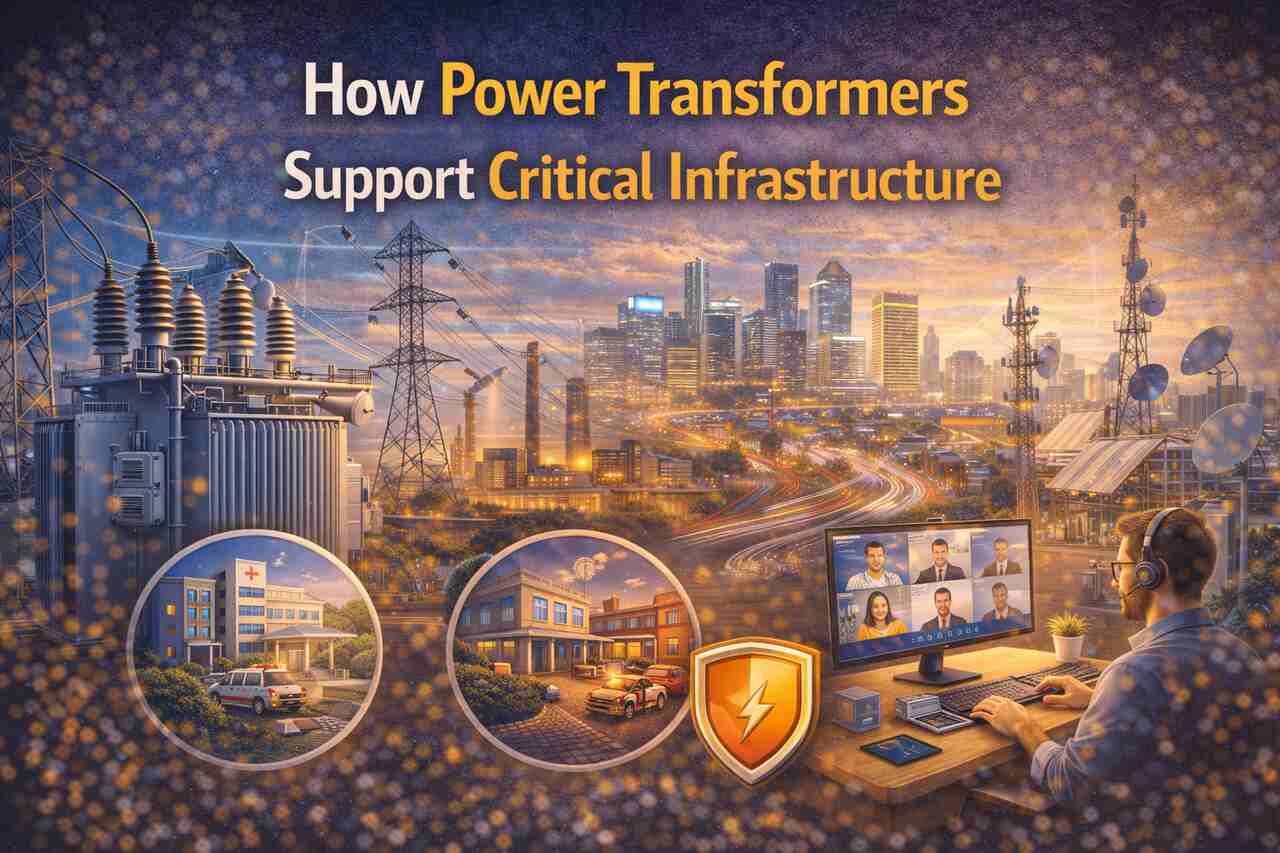
Power transformers are the unsung heroes of the electrical grid, silently ensuring that energy flows efficiently from power generation sites to homes, businesses, and essential services nationwide. Their contributions reach deep into the backbone of modern society, especially within critical sectors such as healthcare, emergency services, and transportation. Without these devices, the reliability of electricity would be at risk, threatening the operation of systems people depend on every day. As electricity travels long distances at high voltages, power transformers reduce this voltage to safe, usable levels, making them indispensable for countless applications, including industrial transformers that keep production lines and infrastructure running smoothly.
In a world where continuity of operations is non-negotiable for critical facilities, transformers provide the steady, regulated supply needed for vital machinery and communication equipment. From powering lifesaving medical devices to supporting advanced transport and communication networks, transformers maintain the seamless delivery of power that keeps daily life and emergency response afloat.
Powering Healthcare Facilities
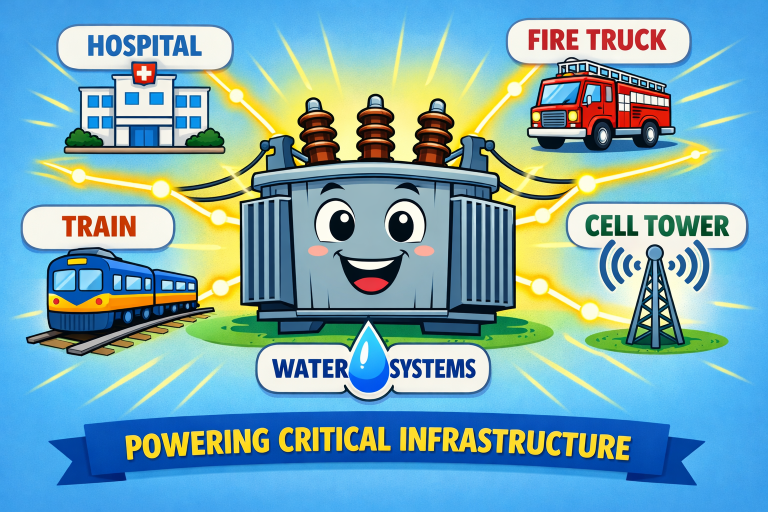
Hospitals and health centers require uninterrupted, highly reliable electrical power to operate continuously. Power transformers step down high-voltage electricity from transmission lines, supplying voltage that suits sensitive medical instruments, operating theaters, and life-support systems. Even a momentary power outage in these environments can result in life-threatening situations and interrupted patient care. Therefore, the role of transformers in maintaining a stable power supply is particularly critical to modern healthcare resilience and patient safety, as highlighted by the U.S. Department of Energy’s insights on power safety shutoff decision-making.
Supporting Emergency Services
Emergency services, comprising police, fire, and medical first responders, count on robust infrastructure to maintain communication, coordination, and fast mobilization. Dispatch operations, emergency call centers, and backup lighting and security systems depend on transformers that ensure reliable, safe voltage. Effective response efforts, especially during extreme weather or disasters, hinge on this dependable power flow. When transformers are compromised, critical delays and disruptions in emergency response can occur, risking public safety and security.
Enabling Transportation Systems
The electrification of transportation has propelled the importance of transformers in maintaining service availability and operational safety. Urban transit networks such as subways, light rail, airport systems, electrified freight lines, and electric vehicle charging stations all require constant, balanced power. Transformers manage voltage distribution in these complex infrastructures, adapt to fluctuating loads, and facilitate sustainable mobility. This stable infrastructure supports both day-to-day commuting and the broader shift toward green transportation.
Maintaining Water and Wastewater Systems
Water treatment and wastewater facilities ensure the safe delivery and treatment of water, which is fundamental for public health. These plants run pumps, filtration, and chemical dosing systems that rely on reliable electricity, supplied by transformers, to maintain the appropriate voltage. Power outages or transformer failures can disrupt these essential utilities, leading to reduced water quality, environmental impacts, and public health risks. Stable transformer operations are integral to preventing contamination and maintaining community sanitation.
Sustaining Communication Networks
Communication networks, from internet infrastructure to emergency radio services, remain vital for both everyday connectivity and public safety during crises. Transformers are essential to keep data centers, telecom towers, and broadcast stations operating without interruption, especially for emergency alert systems, public warnings, and crisis coordination. In a digital era, transformer reliability underpins the resilience of information exchange and connectivity.

Challenges Facing Power Transformers
Power transformers face multiple modern-day challenges that threaten their reliability:
- Supply Chain Constraints: Growing demand for power and distribution transformers has outpaced supply, resulting in procurement delays and higher costs across North America and globally. For example, since 2019, U.S. demand for power transformers has increased by 116%.
- Security Vulnerabilities: Transformers are critical and therefore attractive targets for physical sabotage and cyberattacks, which can have widespread impacts on essential services.
- Aging Infrastructure: A significant proportion of grid transformers are operating beyond their intended service life, increasing the risk of unscheduled failures and the urgency of modernization and replacement efforts.
Solutions and Future Outlook
Overcoming challenges faced by power transformers necessitates coordinated efforts from both industry and government, focusing on several key strategies. First, enhancing domestic production is vital; investing in local manufacturing can reduce reliance on international supply chains, thereby bolstering national energy security. The U.S. Department of Energy promotes collaborative initiatives to enhance transformer reserves and resilience. Second, the implementation of advanced monitoring technologies, including artificial intelligence and real-time sensor data, is essential for predictive maintenance, allowing utilities to foresee potential breakdowns and improve grid stability. Additionally, consistent investment in research and development is crucial for developing transformers that are more energy-efficient, durable, and adaptable to integrating renewable energy sources as grid demands change. Given that power transformers form the critical backbone of essential infrastructure, their resilience and security, enabled by innovation, proactive maintenance, and strategic investment, are imperative for societal safety, prosperity, and advancement.


