




Table of Contents
- Overview of the H-1B Visa Program
- Recent Changes to the H-1B Process
- Eligibility Criteria
- Step-by-Step Application Process
- Common Challenges and How to Overcome Them
- Additional Resources
The H-1B visa program remains a vital pathway for U.S. companies seeking global talent across fields like technology, engineering, and finance. As U.S. employers continue to rely on skilled foreign professionals to drive innovation and enhance competitiveness, recent program updates have reshaped the landscape, making it essential for both applicants and businesses to stay informed.
With new regulations effective in 2025, navigating the application process requires a clear understanding of the latest rules and eligibility criteria. Both prospective employees and sponsoring organizations face a competitive environment, so preparation and attention to detail are more important than ever. Taking the right steps and utilizing available resources can turn a complex regulatory process into a successful immigration journey.
The 2024 reforms focus on streamlining the process, clarifying definitions, and improving efficiency for all stakeholders. Whether you are an employer planning your hiring strategy or a professional hoping to further your career in the U.S., keeping up to date with legislative and procedural changes is crucial for successful application outcomes.
Make sure to also reference guidance from established authorities, such as the New York Times’ coverage of H-1B visa modifications, to provide a broader context on how these updates are impacting American workplaces and the broader economy.
Overview of the H-1B Visa Program
The H-1B visa is designed for U.S. employers looking to temporarily hire foreign workers in specialty occupations that require specialized knowledge. Common sectors that heavily use this visa category include information technology, engineering, finance, research, and healthcare. The program allows companies to tap into global pools of highly educated talent, often filling gaps that domestic hiring alone cannot address.
Each year, the U.S. government sets a numerical cap on new H-1B petitions, making the process competitive and time-sensitive. Only a limited number of applicants are accepted, so employers and potential hires must pay close attention to deadlines, documentation requirements, and regulatory shifts to increase their chances of success.

Recent Changes to the H-1B Process
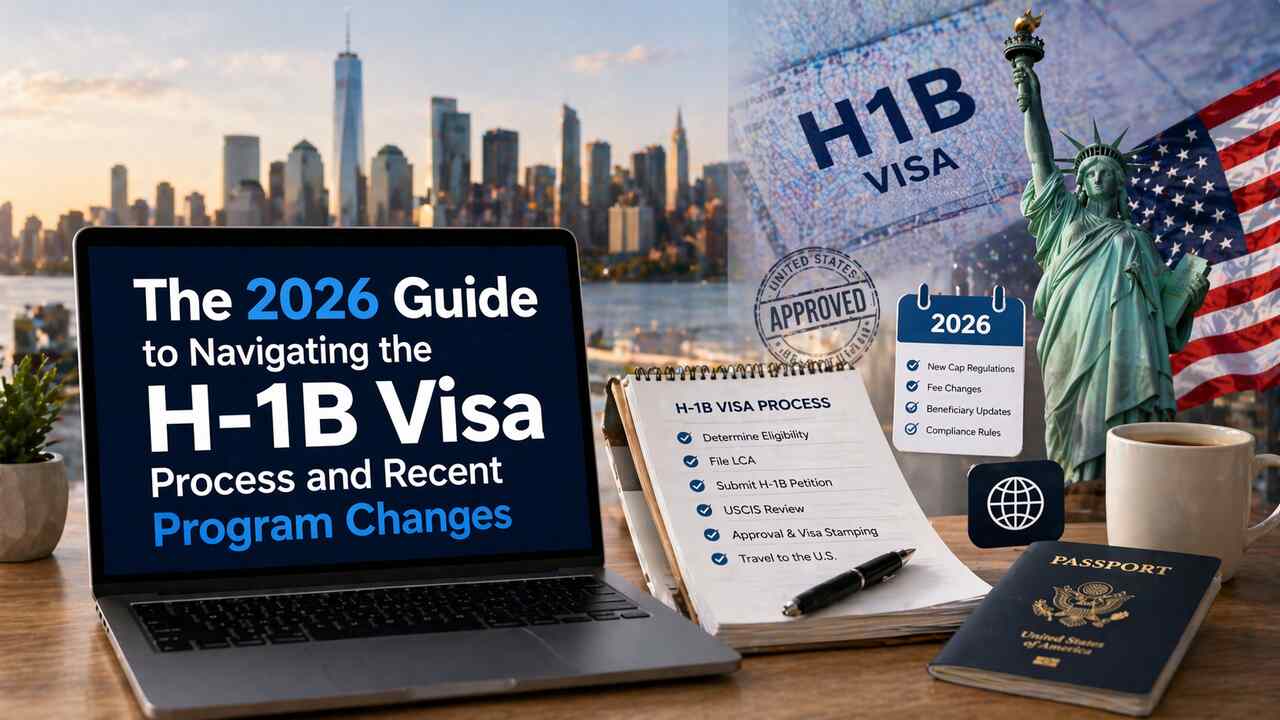
Major revisions to the H-1B program were announced in December 2024, with most changes taking effect on January 17, 2025. These reforms, led by the Department of Homeland Security, are the most sweeping adjustments in years and aim to make the visa process more predictable and efficient for both employers and foreign workers. Noteworthy changes include:
- Granting deference to prior H-1B petition approvals when evaluating extension requests significantly reduces processing times and uncertainty for existing visa holders and their employers.
- Refining and clarifying what constitutes a “specialty occupation,” providing firmer guidelines to ensure adjudicators make more consistent decisions.
- Enacting stricter compliance and enforcement measures to deter abuse of the program and ensure a level playing field for all employers and applicants.
For a full breakdown of these recent reforms, the Department of Homeland Security’s official announcement is an authoritative source.
Eligibility Criteria
To participate in the H-1B program, employers and foreign workers must satisfy strict criteria:
- The applicant must possess at least a U.S. bachelor’s degree (or equivalent) directly related to the specialty occupation.
- The job position must require theoretical or technical expertise and a relevant degree.
- Employers must show that there are insufficient qualified U.S. workers available for the role and that their wage and working conditions meet or exceed department standards.
Additionally, the intended employment period must be temporary, although H-1B status can be extended for up to 6 years.
Step-by-Step Application Process
- Employer Registration: The process starts with the employer registering with U.S. Citizenship and Immigration Services (USCIS) during the annual designated window, which typically occurs in the spring.
- Lottery Selection: If registrations exceed the annual quota, USCIS uses a lottery to select which applicants may proceed to the next steps randomly.
- Labor Condition Application (LCA): Before submitting the formal petition, employers must file an LCA with the U.S. Department of Labor, confirming wage levels and ensuring fair labor standards.
- Petition Filing: Following LCA approval, employers file Form I-129, Petition for a Nonimmigrant Worker, along with supporting documentation to USCIS.
- Consular Processing: Once the petition is approved, the foreign worker applies for a visa at a U.S. consulate or embassy prior to entering the United States.
Because of the competitive nature and strict deadlines, employers and applicants are strongly advised to begin preparations well in advance and seek professional legal advice when needed. For further practical tips, see the Wall Street Journal’s 2024 H-1B visa process analysis.
Common Challenges and How to Overcome Them
Despite its many benefits, the H-1B process can present several hurdles. Some of the most common include:
- High Demand: The annual cap and lottery make acceptance highly competitive. Preparing a complete, accurate application and submitting it well before the deadline can help maximize the chances of selection.
- Complex Regulations: Complicated immigration policies and evolving case law can confuse even experienced employers. Consulting expert immigration attorneys and referencing trusted resources ensures compliance and reduces risk.
- Processing Delays: Unanticipated delays due to background checks, additional evidence requests, or administrative changes are common. Employers and applicants should monitor official channels for updates and plan accordingly to accommodate these potential slowdowns.
Staying well-informed is critical to a successful H-1B application experience. Employers and foreign professionals who remain proactive and informed will improve their odds of efficiently navigating the ongoing changes and securing successful H-1B outcomes in 2024.


