

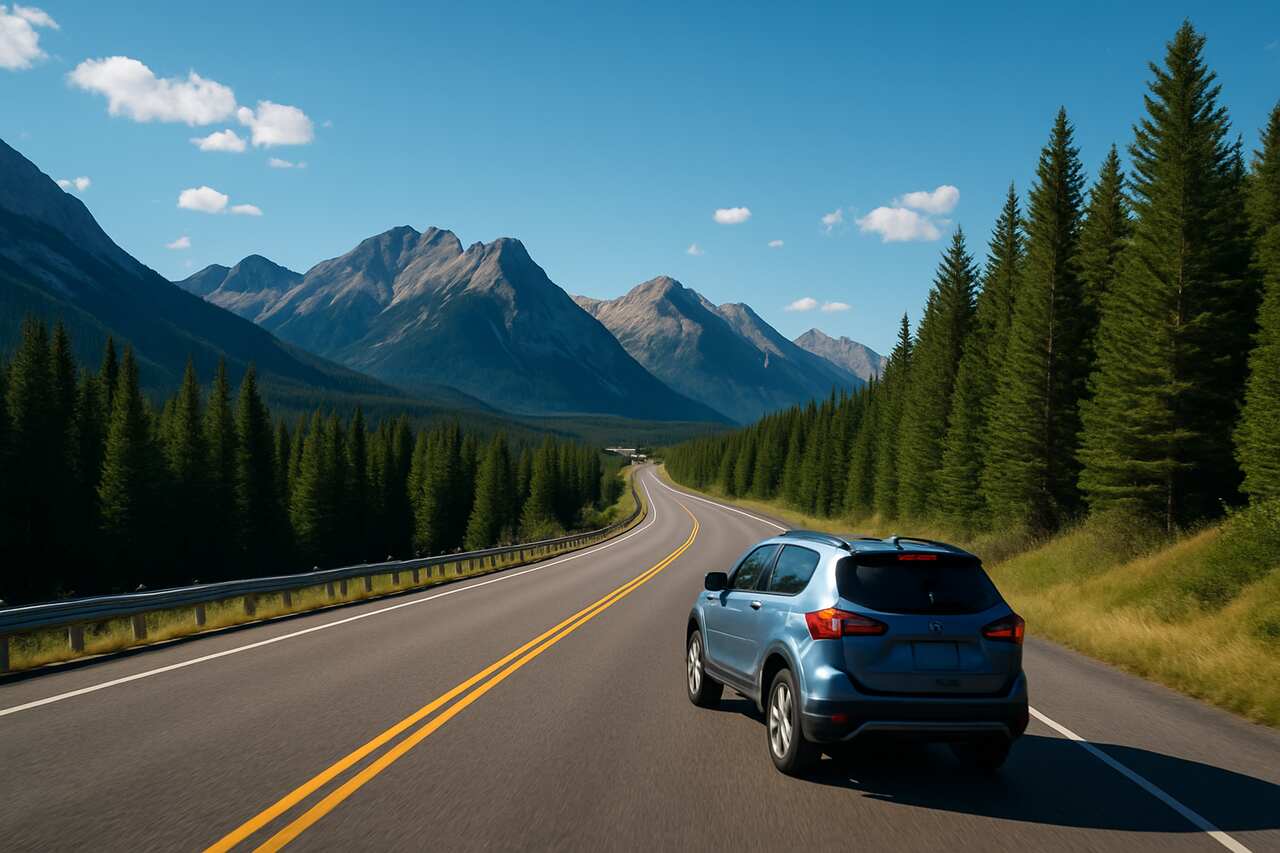

Road trip planning allows you to design a multi-stop driving journey with precision, comfort and confidence. When done well, it turns a simple drive into an unforgettable experience by balancing route selection, timing, rest, budgeting, accommodation, vehicle readiness and safety. Whether you’re travelling solo, with friends or family, deliberate preparation helps you avoid fatigue, breakdowns, connectivity issues and wasted time while maximising enjoyment, spontaneity and scenic discovery.
Define Your Road Trip Planning Objectives
A strong road trip starts with clear objectives. When you know why you’re driving, where you want to go, how long you can travel and what experience you expect, every other part of the plan becomes easier. This clarity shapes your route, budget, daily driving limits, accommodation style and your vehicle preparation strategy.
Your objectives depend on several key elements: number of passengers, travel season, preferred scenery, total distance, comfort level, and whether you prioritise speed or sightseeing. For families, safety and convenience take priority. For adventure travellers, remote routes, hiking, beaches or off-road tracks may be central. Solo travellers often prioritise flexibility, cost and personal comfort.
Select the Optimal Route for Your Journey
Choosing the right route shapes your entire experience. Start by selecting a primary route that balances scenery, road quality, time constraints and accessibility of services. Establish backup routes for days when weather, traffic or unexpected closures require alternatives. This approach reduces stress, prevents detours and encourages smarter decision-making.
Route choices rely on multiple factors: distance, terrain, scenery, traffic patterns, tolls, fuel availability and cell-service strength. Mountain routes demand slower speeds and more breaks. Desert or rural highways require planning for fuel and connectivity. Coastal drives are scenic but may be narrow or winding. Use tools such as Google Maps, Roadtrippers and Furkot to visualise terrain layers, elevation changes and stop opportunities.
Understand the Factors That Affect Route Choice (Distance, Terrain, Scenery, Time)
Distance dictates fatigue; terrain affects speed and vehicle strain; scenery increases enjoyment; and time determines feasibility. Prioritise what matters most speed or beauty and adjust accordingly.
Determine How Many Hours You Should Drive Per Day on a Road Trip
A safe guideline is 2–4 hours of driving per day for leisurely trips and 4–6 hours for efficiency-driven journeys. Anything beyond this increases fatigue and reduces enjoyment, especially with multiple passengers or challenging terrain.
Create a Complete Road Trip Budget
Budgeting ensures you enjoy the trip without financial surprises. Start by calculating major cost categories fuel, food, lodging, entrance fees, tolls, activities, parking, and an emergency buffer. Group your expenses into fixed items (permits, hotel bookings) and variable items (snacks, gas price fluctuations).
Budgeting depends on route length, fuel consumption, number of travellers, driving style, and type of car. Fuel is often the largest expense. Calculate it by multiplying distance with your vehicle’s average km/litre or miles/gallon efficiency. Add a 10–15% buffer because real consumption varies due to traffic, air-conditioning, terrain and weight of luggage.
Estimate Your Fuel Cost Accurately
Use your vehicle’s fuel average × planned distance × current fuel price, then add a buffer for traffic, elevation and idling. Apps like Roadtrippers and GasBuddy offer fuel estimators.
Budget for Accommodation, Food and Emergency Funds
Accommodation varies from hotels to campsites. Food costs depend on whether you cook, snack or dine out. Emergency buffers should cover vehicle issues, doctor visits and unexpected delays.
Road Trip Budget Comparison Table
| Category | Budget Traveller | Mid-Range Traveller | Premium Traveller |
|---|---|---|---|
| Fuel | Base calculation + 10% buffer | Base calculation + 15% | Base calculation + 20% |
| Accommodation | Hostels / Camping | 2–3 star hotels | Upper-tier hotels |
| Food | Groceries + snacks | Mix of restaurants | Higher-end dining |
| Activities | Free or low-cost | Mixed experiences | Paid attractions |
| Emergency Fund | 5–10% of total | 10–15% | 15–20% |
Prepare Your Vehicle and Emergency Kit
Preparing your vehicle is essential for safety and cost-control. Start with a mechanical inspection covering tyres, brakes, lights, fluids, filters and battery health. A well-maintained car reduces breakdown risks and improves fuel efficiency throughout the journey.
Vehicle preparation requires checking oil level, coolant, brake fluid, power steering, washer fluid and tyre pressure. Ensure your spare tyre, jack and lug wrench are present and functional. Inspect belts, hoses and wipers. If you’re renting a car, confirm that roadside assistance and spare tools are included.
In South Asia, where road conditions vary widely, vehicle readiness matters even more. Uneven pavement, potholes, steep inclines and remote stretches demand strong tyres, reliable brakes and a complete emergency kit. Always keep a fully stocked first-aid kit, jumper cables, a tyre inflator, reflective triangles and basic tools.
Follow a Road Trip Vehicle Check-List
Your check-list should include: oil, tyres, spare tyre, jack, jumper cables, battery test, lights, wipers, coolant, toolkit, fire extinguisher, first-aid kit and documentation.
Assemble a Complete Emergency Kit
Carry jumper cables, tow strap, flashlight, multi-tool, first-aid supplies, tyre inflator, duct tape, triangle reflectors, emergency blanket and potable water.
Use Road Trip Tools and Apps Effectively
Digital tools improve navigation, budgeting and stop selection. Mapping apps provide real-time traffic, weather overlays, elevation, fuel stations and accommodation listings. Route-visualisation tools show distances between attractions and allow multi-stop planning.
Choose apps with essential features: offline maps, fuel estimators, itinerary sharing, stop-mapping, elevation profiles, weather forecasts, and budget tracking. Roadtrippers and Furkot are leaders in multi-stop visualisation. Google Maps remains essential for live navigation, while Maps.me is excellent for offline coverage.
In areas with weak connectivity, offline maps are critical. Download entire regions in advance and save your hotel addresses manually. When you pair offline maps with location-sharing tools, your trip becomes safer and more predictable.
Identify the Features a Route-Planning App Should Include
Look for multi-stop routing, offline use, fuel estimation, accommodation layers, safety alerts and terrain data.
Use Map Tools to Visualise Stops Along the Route
Plot attractions, gas stations, rest areas and hotels. Adjust spacing to ensure comfortable daily segments.
Plan Diverse Stops, Accommodations and Rest Breaks
Stops shape the rhythm of the trip. Choose attractions, viewpoints, rest areas, historic sites and meal stops that break the monotony and add value. Space them evenly based on terrain and daily driving limits.
Accommodation planning includes selecting lodging types hotels, motels, campsites, guesthouses and booking according to season and demand. For peak seasons, advance booking prevents last-minute price spikes. For flexible travellers, strategic same-day bookings keep options open while maintaining safety.
Rest breaks improve safety and prevent fatigue-related risks. A rule of thumb is stopping every two hours or 150–200 km for 10–15 minutes. These short pauses improve reaction time, focus and comfort.
How Often Should You Stop to Rest?
Every 2 hours or whenever concentration dips. Short breaks enhance alertness and reduce accident risk.
Maximise Safety and Comfort Throughout the Drive
Safety determines the quality of your trip. Use seatbelts, maintain safe following distances, avoid night driving in unfamiliar regions and monitor weather continuously. Comfort includes hydration, snacks, stretch breaks, music, audiobooks and temperature control.
Safety planning includes preparing for poor cell service. Download maps, keep a power bank, store emergency numbers, and share your live itinerary with a friend. For breakdowns, stay visible, use reflectors and avoid standing near traffic. Comfort planning includes dividing roles navigation, playlist management, snacks, and photography.
In South Asia, weather and visibility vary significantly between regions. Fog, rain, heat, and snow demand route-specific precautions.
Plan for Areas with Poor Cell Service or Remote Roads
Carry offline maps, local SIM with maximum coverage, printed directions, and a charged power bank.
Compare Service Options, Route Types and Stay Choices
Different travellers choose different planning approaches DIY routes, guided services, or automated planning apps. Comparing these options helps you match your style with your needs.
DIY planning provides complete freedom but requires more research. App-driven planning simplifies budgeting and stop-mapping. Travel agencies focus on convenience but limit spontaneous detours.
Route comparison includes highway vs. scenic routes, direct vs. multi-stop routes, and toll vs. toll-free routes. Accommodation comparison includes budget vs. mid-range vs. premium stays.
Avoid Common Road Trip Planning Myths
Myths distort expectations and lead to poor decision-making. The biggest misconception is that you can “just hit the road and decide later”. This often leads to fatigue, unsafe night driving and missed experiences.
Another myth claims that “longer driving days are more efficient”. In practice, long days result in exhaustion, irritability and rushed sightseeing. A final myth suggests that planning removes spontaneity. In reality, planning creates the space for enjoyable detours.
Myth: We Can Just Hit the Road and Decide Later
This usually results in stress, tiredness and missed opportunities.
Myth: Driving All Day Is Fine If We Love Road Trips
Fatigue builds silently and leads to poor decisions; enjoyment decreases after 4–5 hours behind the wheel.
Evaluate Your Plan and Keep It Flexible
A successful road trip plan is both thorough and adaptable. Evaluate your plan by checking time estimates, fatigue points, budget projections and connectivity gaps. If you find days that exceed 4–6 hours of driving, rebalance your schedule.
Build flexibility by adding buffer days, daylight margins, and fuel reserves. Use dynamic planning tools that let you adjust stops on the go. Good planning doesn’t restrict rather, it supports meaningful spontaneous exploration.
Track Metrics Like Time, Cost and Fatigue
Review daily hours, fuel use, breaks, and energy levels. Adjust as needed.
Build Flexibility for Spontaneous Detours
Leave afternoon hours open, maintain budget margin and avoid overbooking accommodations.
Conclusion
Road trip planning transforms a simple drive into a memorable, safe and enriching journey. By defining objectives, selecting optimal routes, budgeting wisely, preparing your vehicle, choosing the right tools and using strategic rest and lodging patterns, you ensure a smooth experience. Add flexibility, awareness of myths, safety considerations and smart metrics to refine your approach. The result is a balanced trip where comfort, freedom and adventure coexist beautifully. For more informative articles related to Travel’s you can visit Travel’s Category of our Blog.
FAQs
Aim for 2–4 hours for relaxed trips and 4–6 hours for structured itineraries. Beyond this, fatigue becomes a safety risk.
Check tyres, oil, coolant, brakes, battery, wipers, lights, spare tyre, jack, tools, jumper cables and a complete emergency kit.
Include fuel, accommodation, food, tolls, entrance fees, activities, parking and a 10–15% emergency fund.
Roadtrippers, Furkot, Google Maps, Maps.me and GasBuddy provide multi-stop routing, fuel estimates and offline functionality.
Divide your route into manageable daily segments, choose towns with sightseeing potential, and match booking strategy to your travel season.
Download offline maps, carry a power bank, save emergency numbers and share your itinerary with someone you trust.
