


Key Takeaways
- A recall and a repair complaint are not always the same thing.
- A VIN-based search gives the most precise information about a specific truck.
- Repair orders can show whether the same issue has returned after service.
- Warranty coverage may depend on time, mileage, excluded parts, and contract terms.
- Serious safety concerns should be documented and reported promptly.
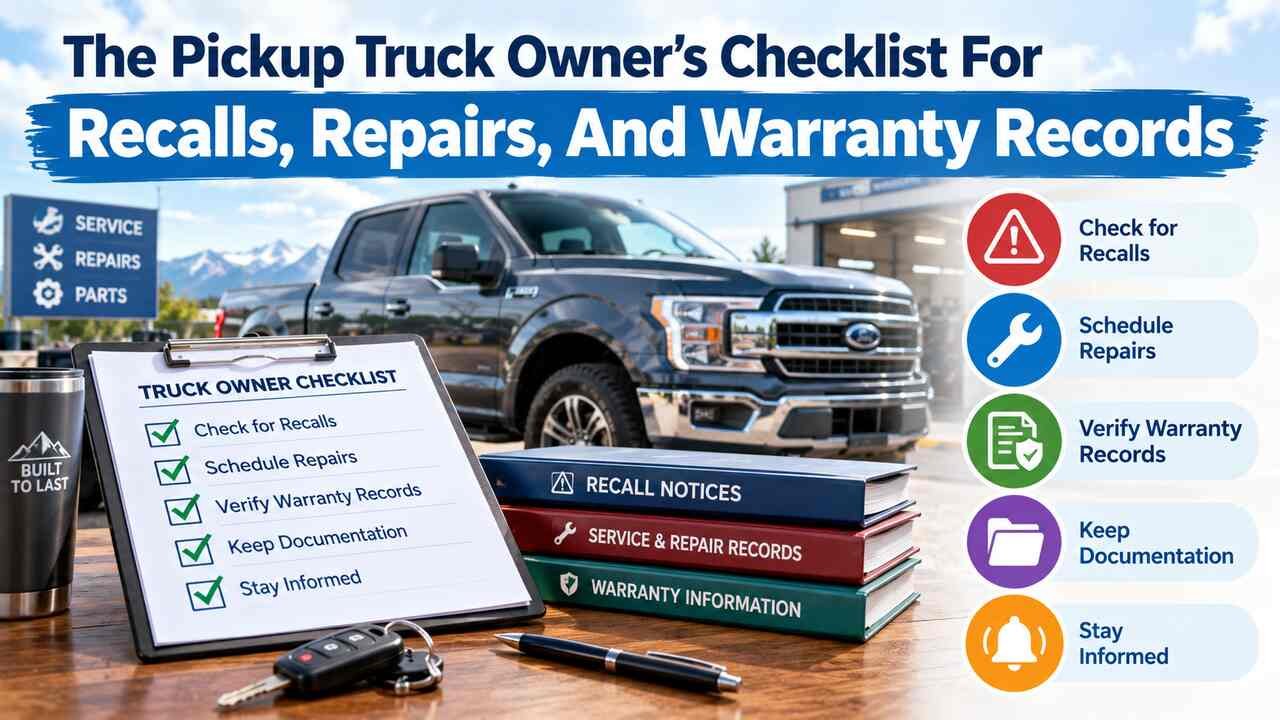
Pickup trucks often do more than get their owners from one place to another. They may haul equipment, tow trailers, support a business, or handle family travel. That makes a reliable record system especially important. Owners researching recurring Sierra known issues or concerns involving any other truck model can make better decisions when they keep recall notices, repair paperwork, and warranty information in one organized place.
A simple folder can reduce confusion when a warning light returns, a dealer cannot duplicate a problem, or a repair bill seems questionable. Keep a digital folder with scanned documents and a paper folder for original records. This approach creates a clear timeline that may help with warranty discussions, resale, and repeat repair concerns.
Why Pickup Truck Owners Need A Record System
One unresolved truck problem can affect far more than a routine commute. A loss of power can interrupt a towing trip, a brake issue can pose a safety risk, and repeated shop visits can lead to missed work or unexpected rental expenses. Good records also give a future buyer confidence that the vehicle was maintained and repaired responsibly.
Save the following documents as soon as you receive them:
- Purchase or lease paperwork
- Factory warranty booklets and service-contract documents
- Repair orders, inspection reports, and parts invoices
- Recall letters and dealer campaign notices
- Towing, rental, and transportation receipts
- Photos or videos of leaks, damage, dashboard alerts, and failed components
Start With A VIN-Based Recall Search
Your vehicle identification number, commonly called a VIN, is a 17-character identifier tied to your individual truck. It is usually visible through the lower driver-side windshield and may also appear on registration and insurance documents. Searching by VIN is more useful than searching only by make, model, and year because it can identify unrepaired recall campaigns affecting that specific vehicle.
The federal recall lookup tool can show whether a participating manufacturer reports an unrepaired safety recall for the VIN entered. It can also help owners review broader recall information, complaints, investigations, and manufacturer communications. Check the VIN after buying a used truck, after receiving a notice, and at regular intervals because recently announced campaigns may be updated as more vehicles are identified.

Know The Difference Between A Recall And A Service Bulletin
A safety recall involves an unreasonable safety risk or a failure to meet a federal motor vehicle safety standard. Manufacturers generally provide a recall remedy without charge. A technical service bulletin, by contrast, is guidance for technicians about diagnosing or repairing a known condition. A bulletin may be useful, but it does not necessarily mean every owner qualifies for a free repair.
When scheduling service, ask whether the concern involves a recall, a service bulletin, a customer-satisfaction campaign, or a warranty policy. Request the campaign or bulletin number in writing, then keep it with the repair order. That detail can be valuable if the same symptom returns later.
Track Every Repair Visit The Same Way
Each visit should create a record that is specific enough for someone else to understand the problem. Before dropping off the truck, write down:
- The date, mileage, and weather or driving conditions.
- The exact symptom, such as hesitation, vibration, no-start condition, warning light, odor, leak, or loss of power.
- How often it occurred and whether it happened while towing, braking, turning, or accelerating.
- Any dashboard messages, diagnostic codes, photos, or video recordings.
- What the shop found, what part was replaced, and whether the concern was duplicated.
A useful note might read: “Truck lost power during highway merging at 42,180 miles. The warning message appeared twice during the same week. Dealer inspected the vehicle, replaced a control module, and stated the repair was complete.” Save the repair order even if the shop finds no fault, since that visit still documents the complaint.
Review Warranty Terms Before Approving Paid Work
Factory warranties, extended warranties, and service contracts are different products with different rules. A factory warranty generally comes with a new vehicle and covers certain defects for a stated period of time or mileage. A separately purchased service contract may have deductibles, exclusions, waiting periods, authorized-facility rules, or limits on towing and rental reimbursement.
Before approving paid work, ask whether the diagnosis and repair are covered, whether a deductible applies, and why any coverage is denied. The differences between auto warranties and service contracts are important because maintenance records and the precise contract language can affect a claim. Request a written explanation if the service department says the repair is not covered.
What To Do When The Same Problem Returns
Compare every repair order for matching symptoms, diagnostic findings, and replaced parts. Ask whether the prior repair addressed the underlying cause or only a visible symptom. If the concern occurs while driving, request a road test with a technician when practical. An independent inspection by a qualified repair professional may also provide a different perspective.
Keep receipts for direct costs connected to the repeated problem, including towing, rentals, and missed-work transportation. Do not alter, discard, or annotate original repair paperwork. Instead, add your own dated notes and preserve clean copies of every document.
When A Safety Complaint May Be Worth Reporting
Problems involving brakes, steering, seat belts, airbags, fire risk, visibility, unintended movement, or sudden loss of power may raise significant safety concerns. Move to a safe location and contact emergency services if there is an immediate danger. Follow any instructions in a recall notice about whether the truck should be driven.
For a serious concern, report the issue to the manufacturer and file a complaint with the appropriate government agency. Include dates, mileage, road and weather conditions, warning messages, repair attempts, and clear photos or videos when available. A complaint does not guarantee compensation or create a recall, but detailed reports can help identify broader patterns.
Questions To Ask The Service Department
- What caused the problem, and what testing was completed?
- Were any recalls, service bulletins, or warranty policies reviewed?
- Which parts were replaced, repaired, or updated?
- Is the truck safe to drive before and after the repair?
- What should the owner do if the same condition returns?
A Monthly Pickup Truck Safety Check
- Check the VIN for newly posted recall information.
- Inspect tires for proper pressure, damage, and uneven wear.
- Test exterior lights, warning indicators, cameras, mirrors, and seat belts.
- Look beneath the truck for fluid leaks or loose components.
- Update the service log after every maintenance or repair visit.
Conclusion
A well-organized vehicle file takes little time to maintain, but it can make repair and warranty decisions far easier. Check recall information, preserve every repair order, review coverage before paying for work, and document recurring concerns carefully. Those habits give pickup truck owners stronger information when safety, reliability, and costs matter most.

1 Comment
Pingback: How Mini Cooper Owners Can Avoid Costly Repair Mistakes