




Table of Contents
- Enhancing Customer Service
- Streamlining Operations
- Addressing Labor Challenges
- Real-World Applications
- Future Prospects
- Conclusion
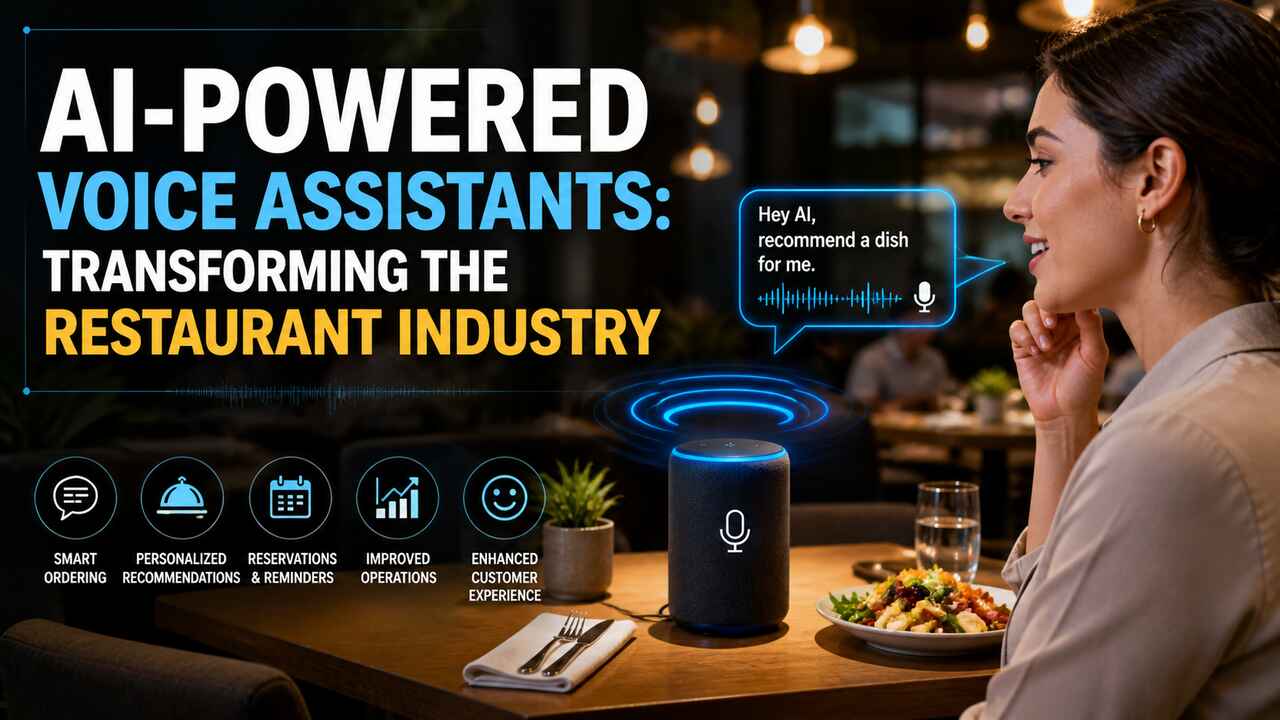
In the fast-paced world of dining, efficiency and customer satisfaction are more crucial than ever. Restaurants are constantly searching for innovations to streamline operations and elevate the guest experience. One of the most significant advancements in recent years is the adoption of AI-powered voice assistants, which are quickly becoming a staple in modern restaurant technology. These intelligent systems can manage customer inquiries, process orders, and support staff behind the scenes, ushering in a new era of hospitality. Solutions such as SoundHound voice AI solutions for restaurants are leading this transformation, offering restaurants robust and scalable options for adopting voice technology into their business.
More restaurants are seeing the value in implementing these intelligent systems, and their impact can be felt at nearly every level of operation. Voice assistants provide prompt responses, reduce human error, and free staff from repetitive, time-consuming tasks. As a result, both customers and employees benefit from a smoother, more enjoyable dining experience.
Enhancing Customer Service
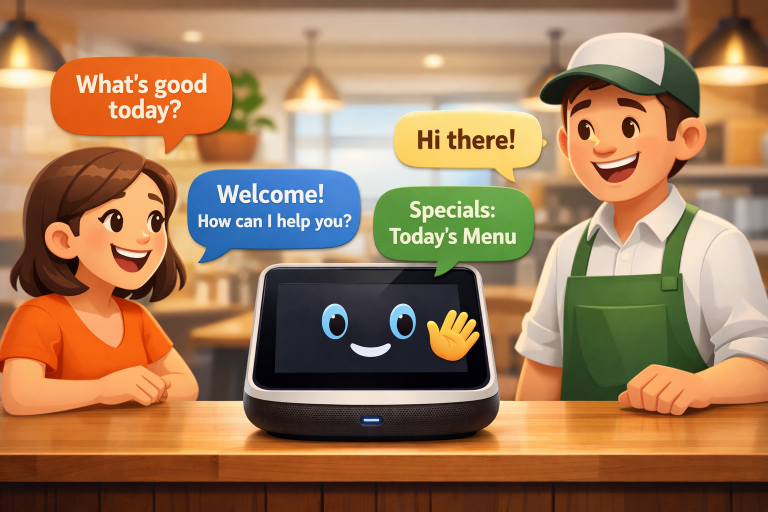
AI voice assistants are redefining customer service by ensuring that every patron interaction is met with accuracy and efficiency. As soon as a customer contacts a restaurant, whether by phone or at a kiosk, a voice assistant can rapidly process orders, answer questions, and provide recommendations based on menu preferences and dietary restrictions. For example, top restaurant brands are actively deploying AI voice technology in drive-thru and phone order scenarios to speed up service and minimize errors.
This rapid-response capability not only reduces wait times but also eliminates the possibility of calls going unanswered during peak hours. Guests receive consistent, friendly engagement every time, helping increase customer loyalty and positive reviews. Behind the scenes, data collected by AI voice assistants allows managers to analyze peak hours, common questions, and customer preferences, making it possible to further optimize the experience.

Streamlining Operations
Streamlined operations are at the heart of successful restaurants, and AI voice assistants are proving invaluable in this domain. Staff can rely on voice assistants to assist with inventory checks, provide step-by-step preparation instructions, and alert teams of required equipment maintenance. Burger King’s “Patty,” for instance, integrates directly with employees’ headsets to deliver on-the-fly guidance for order prep and kitchen management, significantly improving speed and efficiency on the line.
Additionally, voice assistants can automatically update kitchen displays and manage communication between front-of-house and back-of-house teams. By automating these routine tasks, staff can divert their attention to personalized service and quality control, ensuring each guest receives their order correctly and promptly.
Addressing Labor Challenges
The restaurant industry continues to grapple with labor shortages and high employee turnover. In this climate, AI-powered voice assistants are rapidly becoming indispensable. They can supplement limited staff by handling repetitive and time-consuming tasks, such as fielding customer questions about hours or menu items, processing orders, and confirming reservations. This technology enables restaurant staff to focus on core hospitality duties that require a personal touch and creativity.
Automating routine tasks reduces burnout, increases job satisfaction, and can result in lower turnover rates. When fewer employees are available, voice assistants step in to ensure operations do not miss a beat, keeping order accuracy high and service levels consistent. The ability to “scale up” staff capacity with AI is giving many restaurants the tools to navigate ongoing labor market challenges.
Real-World Applications
Major brands and independent restaurants are experiencing tangible benefits after implementing AI voice assistants. For example, Back of the House partnered with VoicePlug to roll out AI solutions across its portfolio, which includes Super Duper Burgers. This partnership significantly enhanced both customer-facing and internal aspects of daily service.
From automating phone orders to optimizing food prep guidance, these innovations translate directly to higher order accuracy, reduced wait times, and increased guest satisfaction. Other industry innovators like Domino’s and Starbucks are piloting AI-based order-taking and predictive voice analytics to refine menu recommendations and personalize marketing.
Smaller, independent restaurants are also leveraging these technologies in creative ways. Local eateries with limited staff can now punch above their weight by incorporating voice assistants into their phone or online ordering processes, resulting in speedy service that matches larger chains. Cloud kitchens and virtual restaurant concepts are further empowered thanks to AI voice automation, allowing them to process high volumes of delivery and takeout orders smoothly and efficiently. Even specialty dining spots are exploring the use of AI for special requests, allergen information, and personalized guest greetings, enhancing the atmosphere and level of care guests experience with each visit. This democratization of technology is fueling innovation across all sectors of the restaurant ecosystem.
Future Prospects
The trajectory for AI voice assistants in the restaurant industry is set for continued expansion. As these systems improve in natural language understanding and personalization, guests will experience even more tailored interactions, from greeting regulars by name to remembering favorite orders. Predictive capabilities will soon enable voice assistants to anticipate busy periods and proactively adjust staffing or suggest menu modifications.
In the near future, integration with other smart systems (such as payment processors, delivery apps, and even supply chain management) will ensure an end-to-end, AI-driven experience for both operators and diners. This technology is not just a passing trend; it is quickly becoming a foundation for the next generation of restaurant excellence.
Furthermore, advancements in AI security and privacy features will help restaurants gain the trust of their clientele, particularly as they capture, process, and store sensitive customer information. Ongoing collaboration between technology providers and restaurateurs will shape powerful new workflows, opening doors for creativity in menu engineering, marketing strategies, and operational optimization. Investments in this space continue to climb as more stakeholders recognize the undeniable value that voice-driven AI brings to hospitality. As these systems become increasingly multilingual and culturally aware, global adoption rates are expected to soar, making voice AI a cornerstone of foodservice innovation for years to come.
Conclusion
AI-powered voice assistants are creating a profound shift in how restaurants serve their customers and manage operations. By enhancing customer service, increasing operational efficiency, and providing essential support amid labor shortages, voice AI is helping restaurants keep up with the demands of a fast-evolving market. Continued innovation in this field promises even greater benefits, laying the groundwork for a more efficient, responsive, and satisfying dining experience for all involved.


