





In Brentwood, California, two homes with similar asking prices and square footage can create very different ownership experiences. A polished kitchen or dramatic living room may catch attention first, but the street, lot position, layout, privacy, maintenance demands, and everyday convenience often determine whether a property truly fits. Buyers researching homes for sale in Brentwood can use LeonardR Group’s Brentwood listings page to review residential opportunities and compare property types in the neighborhood. LeonardR Group’s experience with high-end transactions across Brentwood, Beverly Hills, Bel Air, and Malibu gives buyers a useful Westside context when weighing location, design, and long-term appeal.
Start With the Street, Not the Front Door
A home’s immediate setting is usually harder to change than its finishes. Compare quiet residential blocks with properties near major roads, commercial activity, schools, busy intersections, or frequent cut-through traffic. Notice driveway access, street parking, turning space, sidewalks, guest arrival, and whether landscaping creates a buffer from the street. Visit more than once a day. A calm weekday afternoon can feel very different from a school morning, the commute period, the evening, or the weekend. Listen with windows open and spend a few minutes outside the property rather than judging the setting from the driveway.
Use Listing Information as a Starting Point
Online listings are useful for identifying realistic price ranges, lot sizes, architectural styles, and locations. They can also help buyers compare a renovated residence with a home that may need work. Still, photographs and listing descriptions are research tools, not substitutes for personal visits, seller disclosures, inspections, title review, or professional advice.
Judge the Floor Plan, Not Just the Square Footage
Usable space matters more than a large number on a listing. Consider bedroom separation, hallway space, stair placement, storage, the relationship between the kitchen and main living areas, and how easily indoor rooms connect to patios, gardens, or pools.
- Does the kitchen support daily meals and entertaining?
- Are bedrooms private enough for the household?
- Is there practical storage beyond bedroom closets?
- Can outdoor areas support dining, play, gardening, or quiet time?
- Would the layout still work if work, guest, or family needs change?

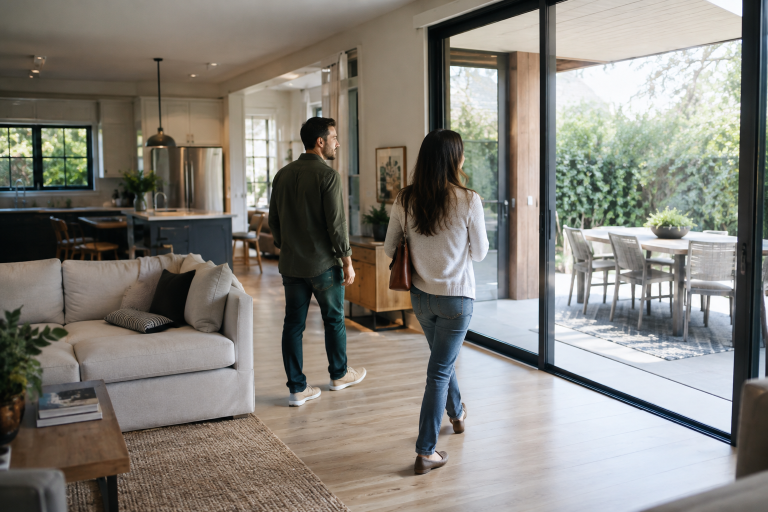
Check Privacy, Natural Light, and Noise
Professional photography can make rooms appear brighter and more secluded than they feel in person. Check sightlines into neighboring windows, yards, streets, and nearby buildings. Stand in bedrooms, living areas, and outdoor spaces with windows open. Listen for traffic, aircraft, construction, pool equipment, HVAC systems, and activity from adjoining properties. Natural light is valuable, but it should be considered alongside heat exposure, window coverings, privacy, and the comfort of rooms at different times of day. A view-facing room may feel open and bright, while a more protected room may be quieter and easier to use every day.
Review Condition and Future Maintenance
Fresh paint, staging, and new appliances do not confirm the condition of the systems behind the walls. A qualified inspection can help identify issues that deserve closer review, especially in homes with large lots, pools, slopes, mature landscaping, or extensive additions.
- Roof, drainage, foundation, and retaining walls
- Electrical, plumbing, heating, and cooling systems
- Windows, doors, gates, driveways, and irrigation
- Pool equipment, hardscape, and hillside features
Ask which improvements were completed, whether permits were required, and whether records are available. Major renovations can be appealing, but buyers should still verify the underlying structure and site conditions.
Match the Property to Daily Routines
Think through an ordinary weekday. Compare travel time to work, schools, medical care, parks, shopping, restaurants, and cultural destinations. Check garage access, guest parking, potential for electric-vehicle charging, and space for bikes, sports equipment, or seasonal storage. Each household member can list three non-negotiables, which often reveal whether an impressive home will actually function well.
Study Planning Rules, Records, and Nearby Activity
Before removing contingencies, review zoning, easements, setbacks, recorded restrictions, permit history, and nearby projects that could affect traffic, privacy, noise, or views. The Brentwood-Pacific Palisades Community Plan provides a broader land-use and planning context, though property-specific questions should be confirmed with qualified professionals and the appropriate agencies.
Estimate the Full Cost of Ownership
A purchase budget should extend beyond the contract price. Include property taxes, insurance, utilities, landscaping, pool care, security, repairs, and likely upgrades. Larger lots and more complex properties can require more regular attention. Buyers can review property tax terms and billing information through the Los Angeles County Treasurer and Tax Collector and independently verify tax estimates, insurance availability, and financing terms.
Build a Simple Brentwood Home Scorecard
Score each candidate from one to five for street quality, access, privacy, noise control, floor plan, natural light, outdoor usability, condition, daily convenience, maintenance expectations, and resale flexibility. Give extra weight to factors that are difficult or expensive to change, including lot position, drainage, street exposure, and access.
Questions to Ask Before Making an Offer
- Which recent sales best support the asking price?
- How long has the property been available, and has the price changed?
- What improvements were made, and were permits required?
- Are there known concerns involving drainage, roof condition, access, or insurance?
- Could nearby development affect traffic, privacy, views, or noise?
- Would the property appeal to more than one type of future buyer?
Common Questions About Comparing Brentwood Homes
Is a larger Brentwood home always a better buy?
No. Size alone does not measure comfort, privacy, condition, convenience, or the cost of maintaining the property.
How many homes should a buyer compare?
Compare several realistic options, including similar homes and one or two alternatives with different locations or layouts.
What features are hardest to change?
Street setting, lot shape, access, privacy, drainage, surrounding noise, and nearby development conditions are often the least flexible factors.
Should buyers focus only on renovated homes?
Renovations may reduce immediate work, but they do not automatically resolve older infrastructure, site conditions, drainage concerns, or unpermitted construction.
What should happen before submitting an offer?
Schedule a second visit, review disclosures, analyze comparable sales, inspect the property, and create a realistic ownership-cost estimate.
Final Pre-Offer Checklist
- Revisit at more than one time of day.
- Drive nearby streets during busy and quiet periods.
- Review disclosures, inspections, and permit history.
- Confirm room functionality and outdoor usability.
- Estimate taxes, insurance, utilities, and maintenance.
- Compare the property with at least two credible alternatives.
- Separate cosmetic preferences from issues affecting safety, comfort, or value.
Conclusion
Comparing Brentwood homes requires more than scanning photos and prices. Study the street, test the layout, assess privacy and noise levels, review the condition, and estimate future costs. A clear scorecard can help buyers identify the home that offers lasting comfort, manageable upkeep, and flexibility for the years ahead. During each showing, consider how the rooms connect, whether natural light reaches the spaces you use most, and if storage and parking meet your daily needs. Pay attention to signs of wear, aging systems, drainage concerns, and any repairs that may require attention after closing. It is also helpful to review property taxes, insurance costs, utility expenses, and potential renovation needs when comparing homes with different asking prices. Visiting the neighborhood at different times can provide a better sense of traffic, noise, and overall convenience. By evaluating these details consistently, buyers can look beyond first impressions and make a decision based on how well each property fits their lifestyle, budget, and long-term plans.


