


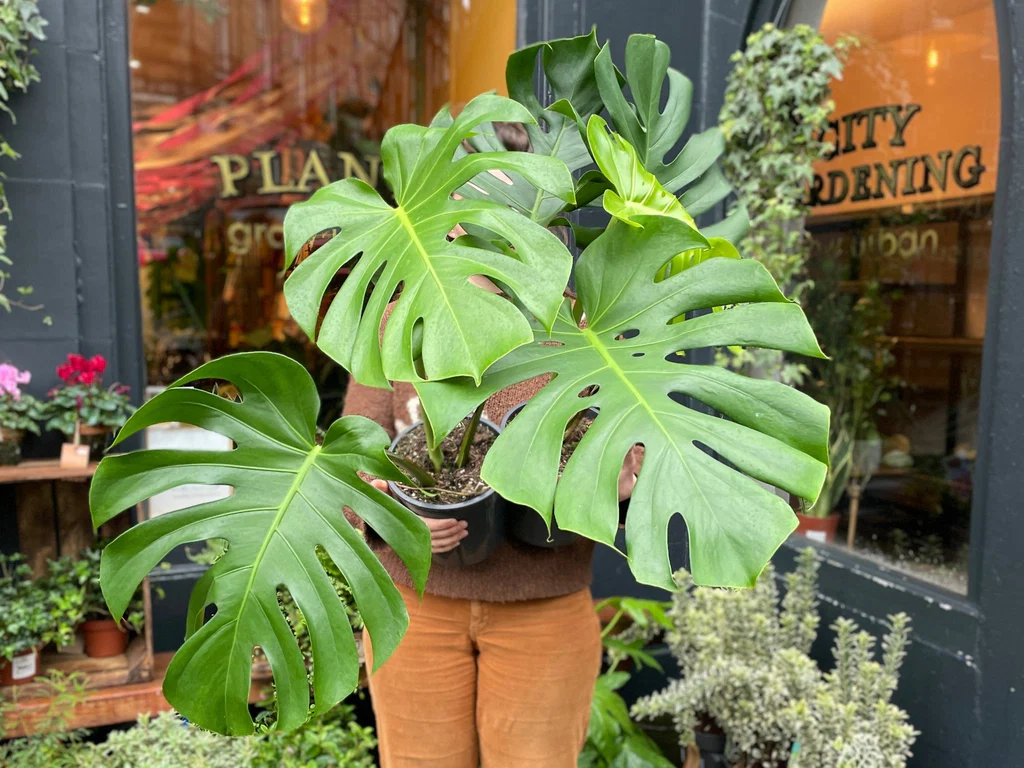


If you’ve ever brought home a lush Monstera plant, you already know it’s more than just décor—it’s a statement. But here’s the catch: even the healthiest Monstera can struggle if it’s planted in the wrong pot. The right container doesn’t just hold soil; it controls moisture, supports root development, and quietly determines how well your plant thrives.
Let’s break down everything you need to know to choose the ideal monstera pot—without overcomplicating it.
Why the Right Pot Matters More Than You Think
Monsteras, especially Monstera deliciosa, are tropical plants that naturally grow in well-draining forest soil. That means their roots hate sitting in excess water. A poorly chosen pot can lead to root rot, stunted growth, or yellowing leaves—problems that many plant owners mistakenly blame on watering habits.
A well-suited container balances three essentials:
- Drainage
- Aeration
- Space for root expansion
Once you get those right, your Monstera practically takes care of itself.
Types of Pots for Monstera Plants
Not all pots are created equal. The material you choose plays a huge role in how water behaves inside the soil.
1. Terracotta Pots
These are a favorite among plant lovers—and for good reason. Terracotta is porous, allowing moisture to evaporate through the walls.
Best for: Overwaterers or humid environments
Watch out for: Faster drying soil
2. Plastic Pots
Lightweight and affordable, plastic pots retain moisture longer.
Best for: Beginners or dry climates
Watch out for: Poor airflow if overwatered
3. Ceramic Pots (Glazed)
These offer a stylish look and moderate moisture retention.
Best for: Indoor aesthetics with controlled watering
Watch out for: Heavy weight and sometimes limited drainage
4. Self-Watering Pots
These come with a reservoir that supplies water gradually.
Best for: Busy plant owners
Watch out for: Risk of overwatering if not monitored properly
Choosing the Right Size
Size matters—a lot.
A pot that’s too small restricts root growth, while one that’s too large holds excess moisture, increasing the risk of root rot.
General rule:
Choose a pot that’s 1–2 inches larger in diameter than the current root ball.
When repotting, avoid jumping to a much bigger container. Monsteras prefer gradual upgrades.
Drainage: Non-Negotiable
If there’s one thing you should never compromise on, it’s drainage holes.
Without proper drainage:
- Water accumulates at the bottom
- Roots suffocate
- Fungal diseases develop
If you fall in love with a decorative pot that lacks drainage, use it as a cover pot. Keep your Monstera in a nursery pot inside it.
Understanding the Consequences of Poor Pot Choice
Imagine placing your Monstera in a large, decorative ceramic pot without drainage because it looks perfect in your living room. You water it once a week, thinking you’re doing everything right. Within a month, the leaves start turning yellow, and the soil smells off.
What went wrong?
The pot trapped excess moisture, suffocating the roots. This is a classic example of how aesthetics can unintentionally harm plant health.
Comparison Table: Which Pot is Right for You?
| Pot Type | Drainage Level | Moisture Retention | Weight | Best For |
|---|---|---|---|---|
| Terracotta | High | Low | Medium | Preventing overwatering |
| Plastic | Medium | High | Light | Beginners, low-maintenance care |
| Ceramic | Medium | Medium | Heavy | Indoor décor + balanced care |
| Self-Watering | Low-Control | High | Medium | Busy lifestyles |
Soil + Pot Combo: The Hidden Secret
Even the perfect pot won’t help if your soil is wrong.
Monsteras thrive in a chunky, well-draining mix. Think:
- Potting soil
- Perlite
- Orchid bark
This combination mimics their natural environment and ensures roots get both moisture and oxygen.
A subtle but powerful trick many experienced growers use is layering a bit of coarse material at the bottom—not to block drainage, but to prevent soil compaction over time.
My Personal Experience
I once switched my Monstera from a plastic pot to a terracotta one after struggling with overwatering issues—and within weeks, I noticed stronger leaves and healthier growth patterns.
Indoor Styling Without Sacrificing Health
Let’s be honest—looks matter. A Monstera is often a centerpiece in modern interiors.
Here’s how to balance style and function:
- Use a nursery pot with drainage inside a decorative outer pot
- Choose neutral tones that highlight the plant’s green foliage
- Elevate the pot slightly for airflow underneath
This way, you don’t have to compromise plant health for aesthetics.
Signs You Need to Repot Your Monstera
Your plant will tell you when it’s time for a new home. Look for:
- Roots growing out of drainage holes
- Soil drying out too quickly
- Slowed growth despite proper care
- Water sitting on top instead of absorbing
Repotting is usually needed every 1–2 years, depending on growth rate.
Common Mistakes to Avoid
Even seasoned plant owners slip up sometimes. Here are a few pitfalls:
- Choosing pots without drainage holes
- Using oversized containers too early
- Ignoring soil quality
- Watering based on schedule instead of soil condition
A small adjustment in any of these can dramatically improve your plant’s health.
Read More: What Is Lovelolablog Cod?
Conclusion
Finding the right monstera pot isn’t just about picking something that looks good—it’s about creating the right environment for your plant to flourish. From material and size to drainage and soil compatibility, every detail plays a role.
When you align these elements correctly, your Monstera doesn’t just survive—it thrives, producing those iconic split leaves that make it such a beloved houseplant.
FAQs
1. What is the best pot material for a Monstera?
Terracotta is often considered the best because it allows excess moisture to evaporate, reducing the risk of overwatering.
2. How often should I repot my Monstera?
Typically every 1–2 years, or when you notice root crowding or slowed growth.
3. Can I use a pot without drainage holes?
It’s not recommended. If you do, use it as a decorative outer pot and keep your plant in a well-draining inner container.
4. What size pot should I choose?
Go 1–2 inches larger than the current root ball. Avoid oversized pots.
5. Do Monsteras like deep or wide pots?
They prefer slightly wider pots to accommodate their spreading root system.


