




Key Takeaways
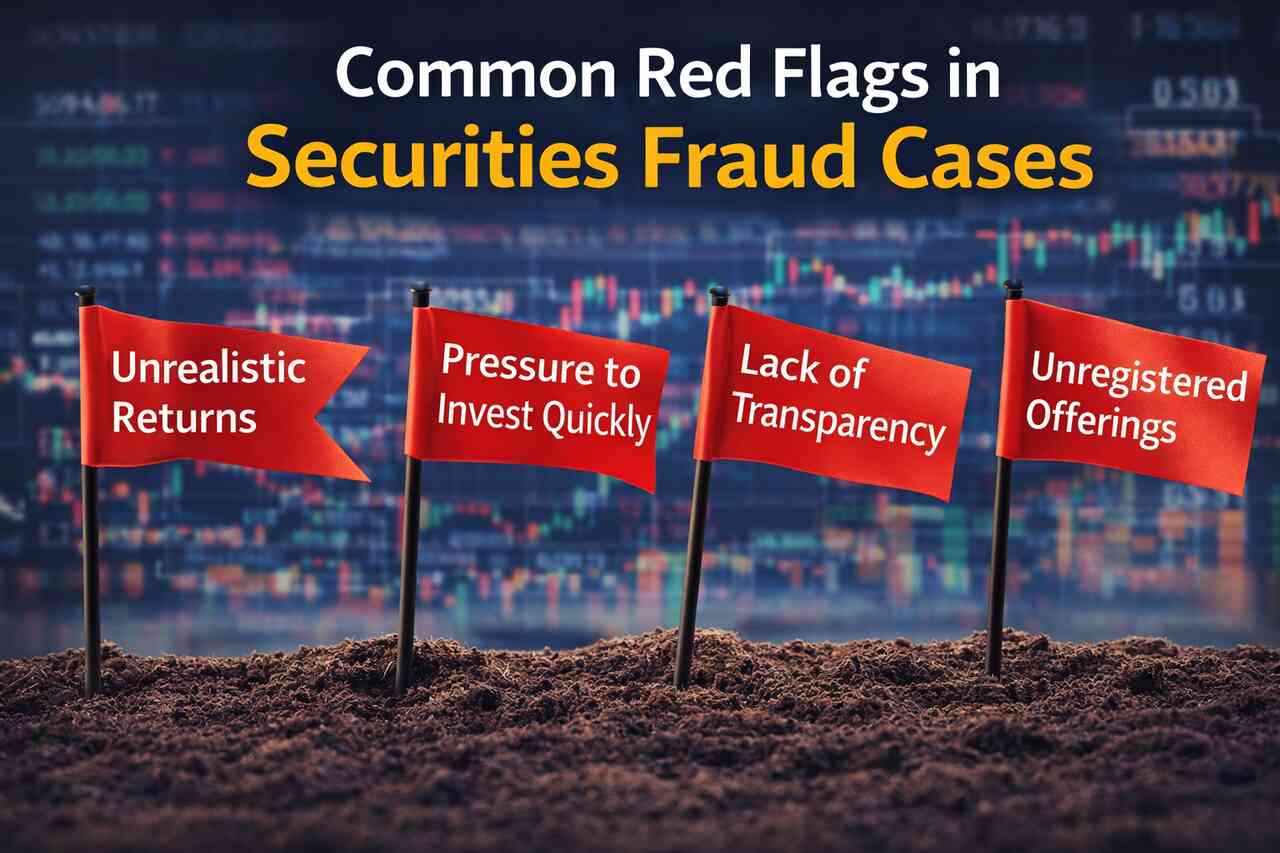
- Be wary of guarantees of high returns with little or no risk.
- Unregistered investment products and unlicensed sellers are significant red flags.
- Overly consistent returns, regardless of market conditions, may indicate fraudulent activity.
- High-pressure sales tactics and complex investment strategies should raise suspicion.
- Difficulty in withdrawing funds or receiving payments is a common sign of fraud.
Table of Contents
- Guarantees of High Returns
- Unregistered Products and Unlicensed Sellers
- Overly Consistent Returns
- High-Pressure Sales Tactics
- Complex or Secretive Strategies
- Difficulty Receiving Payments or Withdrawing Funds
- Requests for Direct Payments or Offshore Accounts
- History of Complaints or Regulatory Actions
- Conclusion
Investing in the stock market can be an excellent way to build wealth, but it is also a landscape where fraudulent schemes occasionally emerge. Investors must remain vigilant to avoid falling victim to scams. Knowing how to identify warning signs of securities fraud is critical. If you suspect something is amiss, consulting qualified securities fraud lawyers is a proactive step that could protect your financial future. Early detection of red flags offers the best opportunity to avoid significant losses and hold fraudsters accountable.
Securities fraud can come in many forms, including Ponzi schemes, misrepresentation, and unauthorized trading. The consequences for investors are often devastating, ranging from financial ruin to lasting emotional distress. Whether you are a seasoned investor or just starting, familiarizing yourself with common signs of investment scams can make all the difference. This article provides practical guidance on identifying the most common red flags in securities fraud cases so you can defend your assets and invest with greater confidence.
Guarantees of High Returns
Promises of high returns with little or no risk are a classic warning sign of securities fraud. All legitimate investments carry some degree of risk, and anyone who suggests otherwise should be approached with skepticism. One of the most notorious examples is the Madoff investment scandal, in which thousands of investors lost billions of dollars due to assurances of unusually steady and high profits. Guarantees of easy, risk-free returns often signal a Ponzi or pyramid scheme, so thorough research is always essential. The U.S. Securities and Exchange Commission (SEC) urges investors to watch for these unrealistic assurances.
Unregistered Products and Unlicensed Sellers
Engaging with unregistered investment products or individuals who are not licensed to sell securities dramatically increases your risk of being scammed. Registration and licensing are fundamental protections for investors, offering avenues for accountability and recourse. In the United States, most Ponzi schemes are orchestrated by individuals or entities operating outside regulatory oversight. Before parting with your money, check with the Financial Industry Regulatory Authority’s BrokerCheck tool or state securities regulators to verify licensing and registration. Unlicensed activity is a red flag that demands closer scrutiny.
Overly Consistent Returns
Investment performance naturally fluctuates with market conditions. If someone offers an opportunity with returns that are always favorable and seemingly unaffected by external changes, caution is warranted. The Madoff scandal is an example of how fraudsters use the illusion of reliability to lure more victims. Even conservative investments can demonstrate periods of both growth and decline. As Investopedia explains, suspiciously steady gains are a well-documented sign of potential fraud.
High-Pressure Sales Tactics
Legitimate investment professionals will allow you time to consider your options, perform due diligence, and consult third-party opinions. Beware of anyone who tries to rush your decision, discourages independent research, or makes you feel uncomfortable declining an offer. High-pressure pitches are often used to prevent you from asking probing questions or realizing the risks involved. If someone pushes you to move quickly or warns that an “exclusive” opportunity will disappear, take a step back and reassess.
Complex or Secretive Strategies
Fraudsters may use technical jargon or claim to possess proprietary investment methods to confuse potential victims. Investments that are overly complex or filled with mysterious elements can be difficult for the average investor to understand and evaluate. If a strategy cannot be easily explained or if you are denied access to relevant information, proceed with caution. Understanding where your money is going and how it is supposed to earn returns is a fundamental right and responsibility for all investors.
Difficulty Receiving Payments or Withdrawing Funds
When investment promoters delay or obstruct your attempts to access your money, it is often a sign of fraud. Common excuses range from administrative errors to promises of even larger future payments if you keep your funds invested. Fraudulent schemes often rely on consistently attracting new investors, so limiting withdrawals is a tactic used to buy more time or prevent the scam from collapsing. Always ensure you understand the process for liquidating your investment and insist on timely, reliable access to your assets.

Requests for Direct Payments or Offshore Accounts
Legitimate investments should not require you to wire money to personal accounts, transfer assets to offshore entities, or use untraceable cryptocurrencies as a condition for participation. Fraudsters prefer these channels because they are harder for regulators and investigators to trace. Using established, regulated payment channels is crucial in safeguarding your funds. If faced with these requests, demand an explanation and seek independent legal or financial advice before proceeding.
History of Complaints or Regulatory Actions
Before making any investment, investigate the background of the individual or firm promoting it. A track record of complaints, lawsuits, or regulatory enforcement actions is a clear warning sign. Tools like FINRA’s BrokerCheck reveal valuable details about past and present legal issues involving investment professionals. When in doubt, extra research can save you from substantial hardships in the future.
Conclusion
Awareness of common red flags is the best protection against securities fraud. Take time to study investment offerings, ask detailed questions, and consult trusted financial and legal advisors when necessary. Staying alert and performing due diligence may prevent serious losses and help preserve your financial well-being. Remember, opportunities that appear too good to be true almost always are. Prioritize transparency, legality, and due diligence in every financial decision to keep your investments secure over the long run.


