


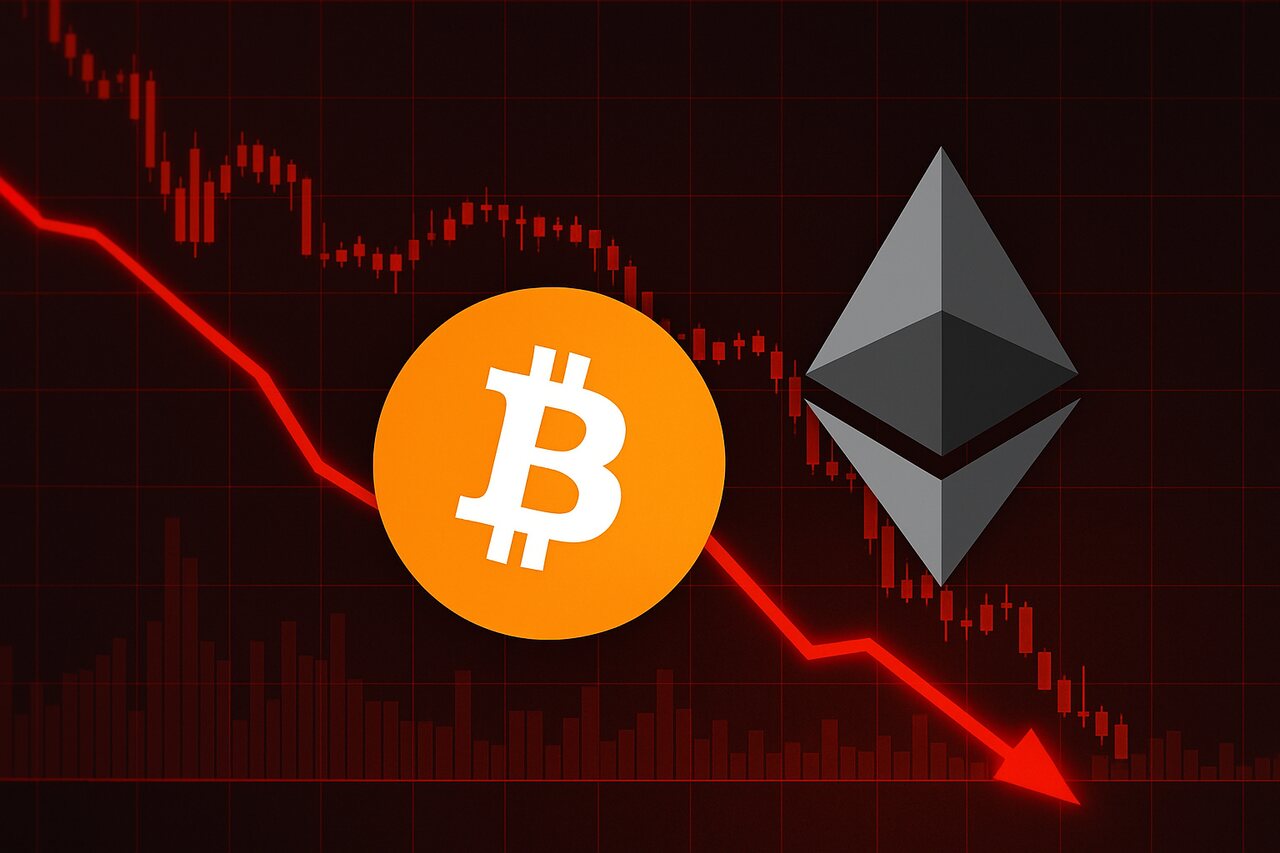


The cryptocurrency market is experiencing a sharp and widespread downturn, with major digital assets like Bitcoin, Ethereum, and Solana posting double-digit losses within days. This crash reflects more than just routine volatility it signals a convergence of deeper structural and macroeconomic forces impacting the entire blockchain ecosystem.
From hawkish monetary policy and regulatory crackdowns to liquidity crises and leveraged liquidations, multiple pressures are converging to drive capital out of the market. Investor sentiment has shifted rapidly from speculative optimism to defensive caution, as risk-off behavior dominates both institutional and retail strategies. Understanding the interconnected drivers behind this crash is essential for evaluating the long-term health and direction of the crypto sector.
What Are the Core Reasons Behind the Ongoing Crypto Market Crash?
The current crypto market crash is driven by a combination of macroeconomic tightening, regulatory uncertainty, liquidity outflows, and on-chain technical breakdowns. These factors collectively erode investor confidence and trigger a cascade of automated liquidations across leveraged positions.
The price volatility of major digital assets like Bitcoin and Ethereum has been exacerbated by hawkish monetary policy signals, centralized exchange issues, and whale-driven market manipulation. As risk appetite declines globally, capital is shifting away from speculative assets including crypto toward safer instruments like bonds and money market funds.
How Is Monetary Policy Contributing to the Crypto Downturn?
Central banks, particularly the U.S. Federal Reserve, have maintained a restrictive monetary policy stance, signaling prolonged high interest rates to combat inflation. This hawkish positioning strengthens the U.S. dollar while diminishing the attractiveness of high-volatility, non-yielding assets like cryptocurrencies.
As the real yield on traditional financial instruments rises, institutional and retail investors are de-risking portfolios by exiting crypto positions. Quantitative tightening and reduced dollar liquidity further strain crypto markets, leading to persistent downward pressure on asset prices across decentralized exchanges.
What Role Does Regulatory Uncertainty Play in the Crypto Crash?
Escalating regulatory enforcement actions in major markets especially the United States are intensifying uncertainty within the crypto ecosystem. Agencies like the SEC and CFTC have expanded investigations and lawsuits targeting centralized exchanges, DeFi protocols, and stablecoin issuers.
The lack of clear classification for crypto assets (securities vs. commodities), coupled with pending legislation in both the EU and U.S., has created a chilling effect on innovation and capital inflow. Institutional investors are pausing deployments, while existing projects face banking restrictions and compliance risks.
This regulatory ambiguity disrupts market sentiment and stifles the network effects necessary for price recovery.
Are Technical Factors and Leverage Amplifying Market Losses?
Yes, highly-leveraged trading platforms and automated liquidation mechanisms are significantly amplifying the crash. As prices drop and margin thresholds are breached, cascading liquidations occur on platforms like Binance, Bybit, and dYdX.
These forced sell-offs intensify volatility, pushing prices even lower and triggering further stop-loss orders and collateral calls. On-chain data reveals declining total value locked (TVL) across DeFi protocols, shrinking user activity, and reduced whale wallet accumulation indicating a sustained exit from the market by large holders.
Technical chart breakdowns below critical support levels (e.g., Bitcoin under $30,000 or Ethereum below $1,800) trigger psychological panic and algorithmic sell-offs.
How Are External Market Events Influencing the Crypto Collapse?
Geopolitical instability, weakening global growth forecasts, and negative earnings reports in the tech sector are contributing to the broader risk-off sentiment. In particular, spillovers from China’s economic slowdown, coupled with renewed concerns over U.S. government debt, are compounding investor anxiety.
Additionally, trust erosion caused by recent crypto bankruptcies (e.g., FTX, Celsius, Voyager) continues to weigh on investor behavior. The market has yet to fully recover from these collapses, and new exchange-related risks including wallet freezes, solvency rumors, and delistings keep liquidity constrained.
These macro-level shocks suppress inflows and keep market sentiment in extreme fear territory, according to indicators like the Crypto Fear & Greed Index.
Conclusion
The current crypto market crash is the result of a complex interplay between monetary tightening, regulatory crackdowns, leveraged sell-offs, and macroeconomic headwinds. With institutional capital pulling back and technical indicators flashing prolonged weakness, the recovery path will likely depend on clearer regulations, macroeconomic easing, and restoration of user trust across platforms. Until then, market volatility is expected to remain elevated, with liquidity conditions remaining fragile. For more informative articles related to Business’s you can visit Business Category of our Blog.


