




Key Takeaways:
- Understanding the recent changes to the H-1B visa program is crucial for employers seeking to hire foreign talent.
- Employers should explore alternative visa categories and adjust recruitment strategies to comply with new regulations.
- Staying informed about policy updates and consulting with immigration experts can help navigate the evolving landscape.
Table of Contents:
- Introduction
- Recent Changes to the H-1B Visa Program
- Impact on Employers
- Alternative Visa Options
- Adjusting Recruitment Strategies
- Staying Informed and Compliant
- Conclusion
The H-1B visa program has long been an essential resource for U.S. employers in need of highly skilled foreign professionals. With increased global competition for talent, understanding how to leverage this visa category is critical. Businesses must keep up with regulatory developments to ensure they remain competitive in both recruitment and retention. Resources like Lighthouse immigration services provide valuable guidance for organizations looking to navigate the complexities of the immigration landscape.
As companies across sectors face growing skills gaps, changes to the H-1B system are particularly impactful. Employers must now not just monitor policy shifts but also develop nimble hiring and compliance strategies to adapt. This article will guide organizations through recent changes, alternative options, and best practices for workforce management in the new environment.
Recent Changes to the H-1B Visa Program
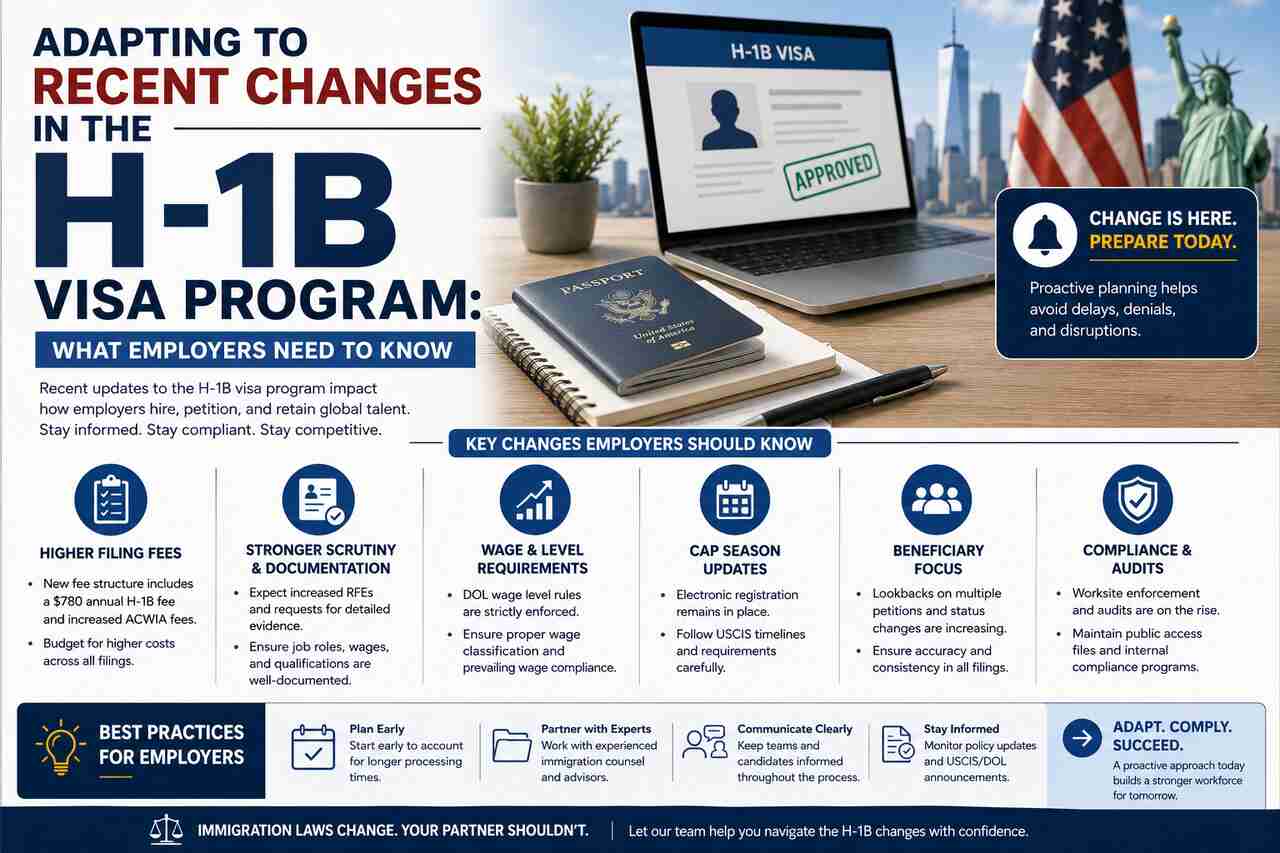
In a bid to protect the domestic labor force and rebalance the competitive landscape, the Department of Homeland Security (DHS) has implemented important adjustments to the H-1B process. Most notably, the DHS has shifted from the familiar random lottery selection to a model that gives preference to higher-paid and more highly skilled applicants. This prioritization aims to attract top-tier global talent while discouraging the hiring of foreign workers for lower-wage positions.
Another major development is a significant fee increase. New H-1B applicants residing abroad are now subject to a $100,000 annual fee. This does not affect those already working in the United States under H-1B status, but it adds a considerable financial consideration for employers initiating new sponsorships. For further details on these policy updates and their broader context, The Wall Street Journal offers an in-depth analysis of recent H-1B visa reforms.
Impact on Employers
The financial and regulatory changes present a significant shift for employers. Companies heavily dependent on skilled foreign labor, such as those in the technology, engineering, and healthcare sectors, are likely to feel the impact most directly. The shift in selection criteria can improve prospects for high-skill, high-salary roles but may hinder access to emerging talent or specialized candidates at earlier career stages.
The new cost structure, especially the $100,000 annual fee for new applicants, forces organizations to perform a detailed cost-benefit analysis when considering foreign candidates. This may discourage small and midsize enterprises from recruiting internationally, while larger companies may concentrate resources to compete for the most experienced talent. Employers need to weigh these costs against the challenges of recruiting for highly specialized roles domestically.


Alternative Visa Options
Faced with hurdles in the H-1B process, many employers are expanding awareness of alternative immigration pathways. Several visa categories can provide valuable flexibility, depending on the needs of both the organization and the candidate:
- L-1 Visa: Designed for intracompany transferees, this option applies to multinational businesses moving managers, executives, or employees with specialized knowledge from a foreign location to a U.S. office.
- O-1 Visa: Created for individuals who have extraordinary ability in the sciences, arts, education, business, or athletics, the O-1 visa requires clear documentation of the candidate’s exceptional achievements.
- TN Visa: Under the United States-Mexico-Canada Agreement (USMCA), the TN visa provides a streamlined process for eligible Canadian and Mexican professionals in specified occupations.
Employers interested in these alternatives should ensure careful documentation and understand the unique eligibility requirements of each. More information about these and other visa categories can be found on the U.S. Citizenship and Immigration Services (USCIS) website.
Adjusting Recruitment Strategies
Responding to stricter visa regulations, forward-thinking employers are proactively adapting their recruitment and talent development approaches. A multi-pronged strategy can help companies mitigate risk while maintaining workforce quality:
- Enhance Domestic Talent Development: Investing in upskilling and reskilling existing employees broadens the internal talent pool and limits reliance on foreign hiring.
- Expand Remote Work Opportunities: Leveraging remote or hybrid models enables organizations to source expertise globally without the administrative complexity of U.S. visa sponsorship.
- Partner With Educational Institutions: Collaboration with universities to develop internship, training, and direct recruitment pipelines can ensure a steady flow of qualified candidates.
Such a diversified recruitment approach not only helps buffer organizations against abrupt regulatory changes but also drives long-term workforce resilience.
Staying Informed and Compliant
Given the rapidly shifting immigration environment, it is essential for employers to proactively monitor developments. Consulting with qualified immigration attorneys or experts ensures that recruitment and HR policies remain compliant and up-to-date. Regularly reviewing government resources, especially updates from USCIS, helps organizations avoid common pitfalls. Additionally, engaging with professional industry groups or associations fosters the sharing of best practices and relevant policy insights.
Conclusion
The future of the H-1B visa program remains subject to continued regulatory evolution. By understanding recent changes, evaluating alternative pathways, and rigorously adapting recruitment and compliance strategies, employers can not only manage risk but also position their organizations to attract and retain top-tier talent. Staying informed and taking a holistic, agile approach to talent acquisition allows companies to thrive in a competitive marketplace even as the regulatory terrain shifts underfoot.


