

Improving flexibility is one of the most effective ways to support movement quality, prevent injury, and enhance physical performance across all ages and fitness levels. Flexibility exercises help the body lengthen tight areas, reduce tension, and improve joint function. Whether the goal is better posture, deeper stretching, increased athletic output, or improved daily comfort, consistent flexibility training creates long-lasting physical benefits. This guide explains clear steps, structured routines, progress techniques, and supportive methods to help anyone build a well-rounded flexibility program.
Start With Foundational Warm Up Movements
Beginning flexibility training with a proper warm up prepares the body for deeper stretching. Warm up movements increase blood flow, activate muscle fibers, and reduce stiffness so the body can safely enter extended ranges of motion. This step is essential because cold muscles resist lengthening, which lowers the effectiveness of any stretching routine.
A warm up should be simple, rhythmic, and focused on large muscle groups. Light aerobic activity like marching, jogging in place, or gentle stepping can elevate the heart rate within a few minutes. After that, incorporate mobility-based motions to target the hips, shoulders, and spine. These actions wake up the connective tissues and encourage smoother movement during the exercises that follow.
Warm up movements also help beginners ease into flexibility training at a comfortable pace. They reduce the likelihood of discomfort and prepare the nervous system to respond positively to stretching. When performed consistently, warm ups teach the body to transition into workouts more efficiently while keeping the joints responsive and prepared.
Use Light Aerobic Warm Ups
Light aerobic warm ups should last three to five minutes and gradually increase body temperature. Activities like easy walking, slow cycling, or arm-swing marches work well for most fitness levels. The goal is not intensity but circulation. As the body warms, muscles become more receptive to stretching.
Short aerobic warm ups help loosen tight connective tissue that often contributes to stiffness. This makes the next phase of training feel comfortable and more productive, especially for individuals who have been sedentary or are returning to exercise after a break.
Add Basic Joint Mobility Movements
Joint mobility movements support smoother articulation in areas like the hips, shoulders, and spine. Examples include hip circles, shoulder rolls, torso rotations, and ankle circles. These motions prepare the joints for the deeper range-of-motion work that flexibility training requires.
Consistently practicing mobility movements improves awareness of tight zones that may need extra attention during stretching. They also help maintain fluidity in daily actions, such as twisting, bending, or reaching.
Learn Essential Static Stretching Techniques
Static stretching is one of the most well-known ways to improve flexibility. It involves holding a stretch for an extended period to lengthen muscle fibers and reduce tension. This method is highly effective for building range of motion when performed with slow and controlled breathing.
To apply static stretching effectively, choose stretches that target major areas like the hips, hamstrings, glutes, chest, and shoulders. Hold each stretch for at least 20 to 30 seconds without bouncing. The stillness allows the body to settle deeper without stress or strain. Gradually increase stretch time as comfort improves.
Static stretching also encourages relaxation, which benefits both mobility and stress reduction. After a long day of sitting or physical exertion, static stretches help the body unwind and improve comfort. Over time, they contribute to better posture and reduced muscle tightness.
Stretch the Lower Body With Controlled Holds
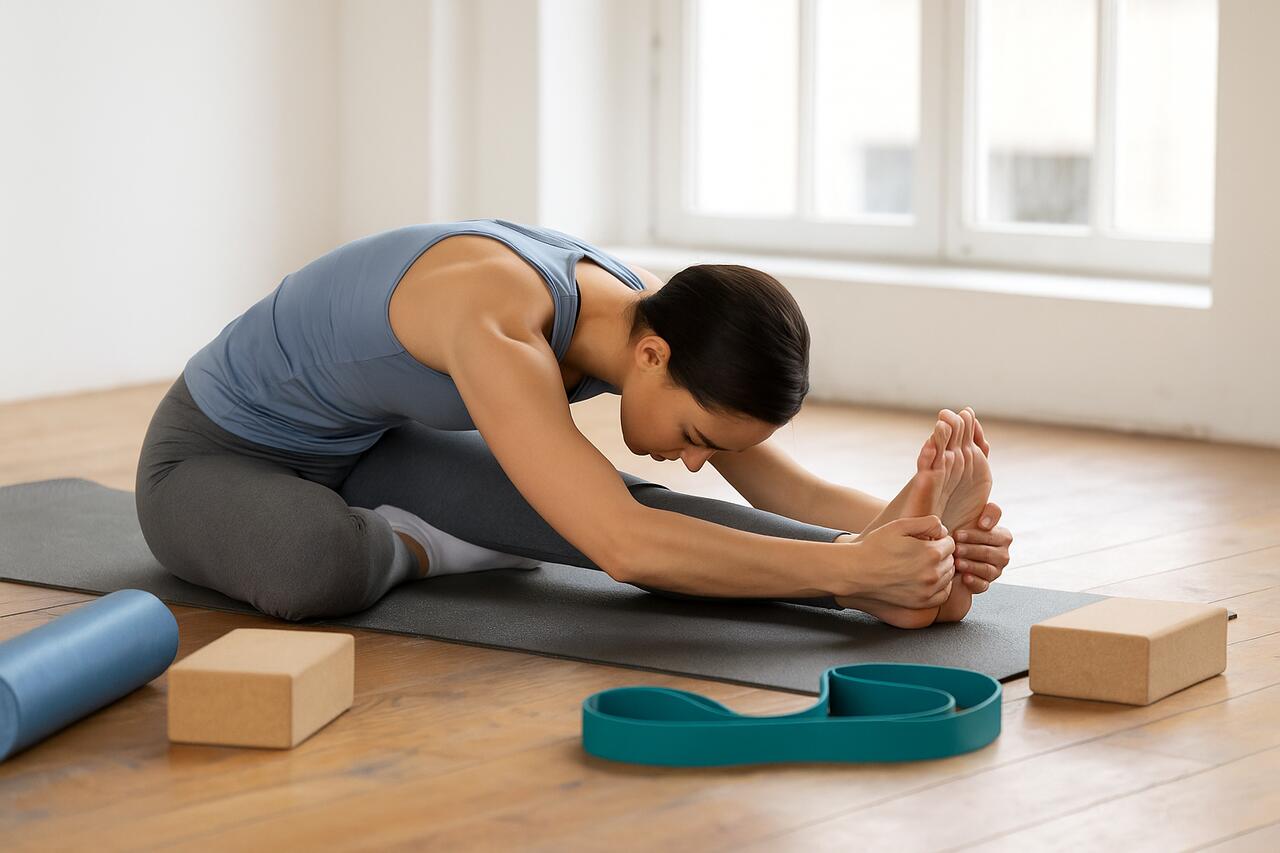
Lower body static stretches help large muscle groups lengthen with ease. Common movements include seated hamstring stretches, standing quadriceps stretches, and glute floor stretches. These areas often tighten from prolonged sitting, making them essential for flexibility improvement.
Holding each position slowly trains the muscles to adjust to new ranges. This practice eliminates rushing and allows the stretch to progress naturally, which supports long-term improvement in mobility.
Open the Upper Body With Chest and Shoulder Stretches
Upper body stretches reduce tension caused by desk work, lifting, and repetitive motions. Chest doorway stretches, shoulder cross-body stretches, and triceps overhead stretches help open the front and back of the upper torso.
Regular static stretches in the upper body lead to better breathing capacity, improved posture, and reduced discomfort during daily tasks like carrying bags or reaching overhead.
Incorporate Dynamic Stretching for Active Mobility Gains
Dynamic stretching uses movement rather than stillness to expand range of motion. This approach involves swinging, circling, or extending limbs through controlled and gentle repetitions. It increases mobility, coordination, and muscular activation.
Dynamic stretches are especially useful before workouts, sports, or high-energy activities. They mimic real movement patterns, allowing the body to prepare for the demands of physical performance. Dynamic stretching also improves balance and activates stabilizing muscles.
As flexibility improves, dynamic stretching enhances body awareness and movement efficiency. Because it blends flexibility with motion, it supports everyday actions like bending, stepping, and turning more comfortably.
Use Leg Swings and Hip Mobility Drills
Leg swings target the hip flexors, hamstrings, and glutes while improving balance. Forward-backward and side-to-side leg swings both help loosen tight structures around the pelvis. Controlled hip circles further increase mobility in the hip joint.
These exercises enhance stride length, walking comfort, and athletic movement. They also help correct imbalances that form from sitting for long periods.
Perform Arm Circles and Torso Rotations
Arm circles warm the shoulder joint and encourage smoother overhead motion. Use small circles at first and gradually transition to larger arcs. Torso rotations help increase spinal mobility and improve rotational strength.
These movements benefit activities such as lifting, swimming, and any sport requiring upper body coordination. They also help reduce stiffness that often accumulates in the midsection.
Increase Range of Motion With Assisted Stretching Methods
Assisted stretching uses external aid to deepen the stretch. This can involve straps, bands, blocks, or a partner depending on preference. These methods help achieve positions that might be difficult through bodyweight alone.
Using tools allows slower, more controlled leverage to reach a deeper stretch without strain. They help improve alignment, maintain stability, and expand range of motion gradually. This makes assisted stretching beneficial for both beginners and experienced individuals.
Assisted methods also teach proper posture within each stretch. Tools help keep the body steady, reducing the risk of twisting or losing balance. This supports safer and more effective mobility training.
Use Stretching Straps for Reach Support
Stretching straps are helpful for areas like the hamstrings and calves. They allow users to hold their foot or leg without compressing the spine or rounding the back. This creates a cleaner, more effective stretch.
Straps serve as extensions of the arms, which is especially useful for individuals with limited reach. Over time, they support increased flexibility and smoother transitions between stretches.
Apply Foam Rollers for Self Assisted Muscle Release
Foam rollers help relax tight muscles through pressure and rolling motions. They target areas such as the calves, quads, upper back, and glutes. When muscles relax, they become easier to stretch, making foam rolling a helpful starting tool.
Consistent use of foam rollers promotes recovery, reduces soreness, and prepares tissue for flexibility work. This approach makes stretching feel more natural and comfortable.
Develop a Consistent Full Body Flexibility Routine
A structured routine ensures that flexibility training covers all major muscle groups. A balanced approach prevents overworking one area while neglecting another. This supports better alignment, movement quality, and comfort.
A full body routine can be performed three to five times per week. Combining static, dynamic, and assisted techniques creates a well-rounded plan that addresses lengthening, mobility, and release. Adjust the intensity and duration based on personal comfort and progression.
Structured routines also support long-term improvements. As consistency builds, the body adapts more quickly, resulting in smoother movements, reduced stiffness, and easier motion in daily life.
Include Daily Micro Stretch Sessions
Short five-minute sessions throughout the day help maintain flexibility improvements. Simple movements like neck stretches, calf stretches, or standing side bends counteract the effects of long sitting periods.
These micro sessions support ongoing progress while preventing stiffness from building up. They are convenient enough to perform at home, work, or during breaks.
Combine Multiple Stretching Types in One Routine
Using static, dynamic, and assisted methods together creates a comprehensive approach. Start with a warm up, follow with dynamic stretches, apply static holds, and finish with assisted methods if needed.
This structure ensures every part of the flexibility process is addressed. It also helps the body respond more effectively to each stretching style.
Support Flexibility Improvements With Strength Training
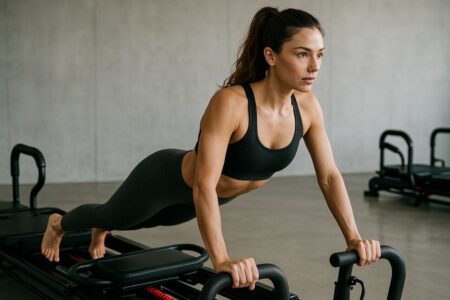
Strength training enhances flexibility by improving muscle control and joint stability. When the supportive muscles are strong, the body can maintain extended ranges of motion more safely. This reduces strain and improves movement efficiency.
Exercises that lengthen a muscle while strengthening it, such as lunges, Romanian deadlifts, and controlled squats, contribute directly to improved mobility. Strength training also balances opposing muscle groups, which prevents tightness.
Integrating strength training with stretching creates a balanced approach to functional mobility. It allows the body to move more freely without feeling unstable or restricted.
Use Controlled Strength Movements for Mobility Support
Controlled strength exercises develop stability around joints. Slow, steady movements encourage the body to strengthen while exploring new ranges. This helps reinforce healthy movement patterns over time.
Exercises such as step-ups, glute bridges, and shoulder external rotations offer excellent support for flexibility training because they enhance muscle control.
Add Eccentric Training for Lengthened Muscle Strength
Eccentric training focuses on the lowering phase of exercises. Lengthening a muscle under control promotes flexibility and resilience. Slow squats, slow calf raises, and slow pushups help reinforce mobility.
This method supports better posture, reduced tightness, and improved capacity for stretching.
Track Progress and Adjust Flexibility Goals
Tracking progress helps measure improvements and ensures the flexibility routine remains aligned with personal needs. Documenting changes in stretch depth, comfort level, and movement ease provides motivation and direction.
Regular evaluation makes it easier to identify which stretches are effective and which require adjustment. Progress tracking prevents plateauing and supports continuous improvement.
As goals evolve, adjust intensity, duration, and technique. Flexibility training is adaptable and should match the body’s needs over time. This ensures long-term comfort and mobility benefits.
Use Range Tests to Measure Improvements
Basic tests like seeing how far you can reach toward your toes or how comfortably you can rotate your torso help determine progress. These measurements offer clear indicators of improvement.
Repeating these tests monthly shows how consistency impacts mobility over time.
Adjust Stretch Durations and Techniques Based on Response
If stretches begin to feel easier, increase hold time or apply deeper techniques. If discomfort arises, reduce intensity or modify positions. Listening to the body ensures training remains safe and productive.
Adjusting techniques keeps progress steady and prevents stagnation.
Table 1: Comparison of Stretching Types
| Stretch Type | Purpose | Best Time to Use | Benefits |
|---|---|---|---|
| Static | Improve length and relaxation | After workouts or evenings | Better posture, reduced tension |
| Dynamic | Improve mobility and movement prep | Before activity | Enhanced performance, joint readiness |
| Assisted | Deepen stretch and support alignment | During focused sessions | Greater range, improved form |
Table 2: Suggested Weekly Flexibility Routine
| Day | Focus Area | Stretch Types Included |
|---|---|---|
| Monday | Full body | Dynamic, static |
| Wednesday | Lower body | Static, assisted |
| Friday | Upper body | Dynamic, static |
| Weekend | Recovery session | Assisted, static |
Conclusion
Flexibility exercises offer long-lasting benefits for comfort, movement quality, and overall physical function. Incorporating warm ups, static holds, dynamic movements, and assisted methods creates a complete approach that supports mobility across the entire body. With consistency, clear progress tracking, and balanced routines, flexibility becomes easier to maintain and improves daily life. This guide provides everything needed to create an effective long-term flexibility practice. For more informative articles related to Fitness’s you can visit Fitness’s Category of our Blog.
FAQ’s
Three to five times per week is ideal, but daily short sessions help maintain progress.
Stretching works at any time, though many people feel most comfortable performing deeper stretches in the evening.
Yes. Stretching the hips, hamstrings, and lower back often reduces tension that contributes to discomfort.
Most people notice improvements in two to four weeks with consistent training.
Stretching should create mild tension but should not cause pain. If pain occurs, adjust the position or reduce intensity.
Yes. Stretching tight muscles in the chest, hips, and upper back significantly improves posture over time.