


Grocery and Seafood Retail: Comparing Supermarkets and Local Fish Markets
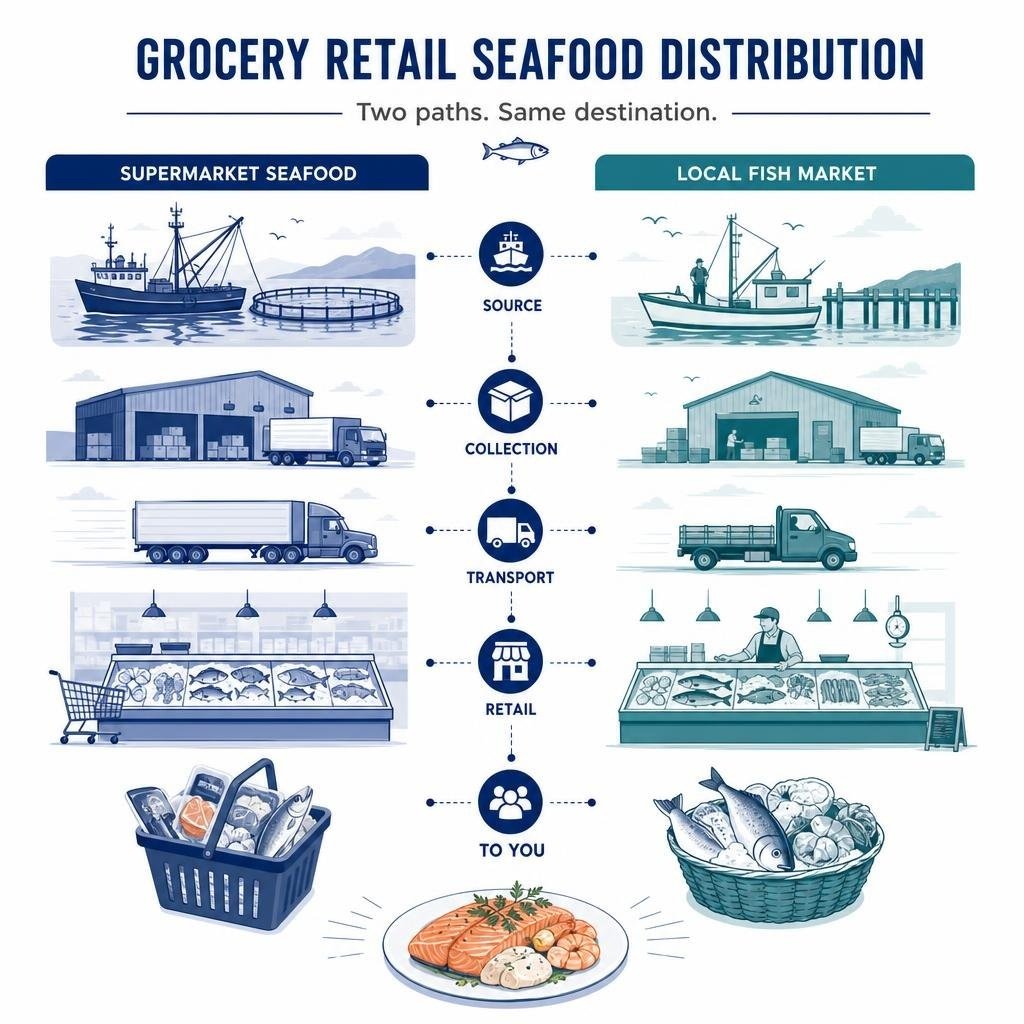
The journey of seafood from the ocean or farm to our plates involves a complex supply chain. Understanding this chain, and the distinct roles of grocery stores and local fish markets, is essential for making informed purchasing decisions. While both aim to provide fresh seafood, their operational models, pricing structures, and product offerings can vary significantly.
Grocery store seafood counters, especially those in larger chains, benefit from extensive distribution networks and purchasing power. This often translates to competitive pricing and a consistent, year-round supply of popular species. Their supply chain emphasizes efficiency and volume, often sourcing from large-scale fisheries or aquaculture operations. On the other hand, local fish markets, often smaller and independently owned, typically prioritize direct relationships with local fishermen or specialized suppliers. This allows them to offer unique, seasonal, or specialty species that might not be available in larger retail environments. Their supply chain is often shorter, focusing on rapid turnover of fresh catches.
When considering culinary applications, grocery stores excel for everyday cooking, offering a reliable selection of common fillets and shellfish. Fish markets, with their wider array of “weird” or underutilized species and custom cutting services, cater more to adventurous cooks or those seeking specific cuts for gourmet dishes.
Feature Grocery Store Seafood Counter Independent Fish Market Convenience High (one-stop shopping, extended hours) Moderate (specialized trip, often limited hours) Product Range Consistent, popular species (salmon, cod, shrimp) Diverse, seasonal, specialty, and underutilized species Pricing Often competitive, volume-driven, frequent sales Varies, can be higher for unique items, reflects quality Consistency High (standardized cuts, year-round availability) Varies with season and catch availability Personalization Limited (pre-cut, basic service) High (custom cuts, preparation advice, rapport) Sustainability Often labeled with certifications, strict sourcing policies May not display logos due to fees, but often sustainable Expertise Varies by staff, some have trained fishmongers High (dedicated fishmongers with deep product knowledge) Local Sourcing Varies by chain and region Often a strong focus on local and regional catches Evaluating Grocery and Seafood Retail for Daily Convenience and Budget
For many households, the grocery store is the default choice for seafood, and for good reason. Convenience is a major factor; we can pick up fresh or frozen seafood alongside our weekly groceries, saving time and effort. Grocery stores typically offer a wide selection of pre-portioned fillets, making meal planning straightforward. Whether it’s salmon, cod, or shrimp, these items are usually available year-round, ensuring consistency for family favorites.
Budget-conscious shoppers often find grocery stores appealing due to their competitive pricing, volume discounts, and frequent sales. Large chains leverage their purchasing power to secure seafood at lower costs, which can then be passed on to consumers. For instance, a quick weeknight meal might call for a readily available and affordable option like tilapia or pangasius, which grocery stores reliably stock. Furthermore, many supermarkets, including those operating 24 hours and offering fresh produce, make it easy to grab ingredients for any meal, anytime. This accessibility, combined with predictable pricing, makes grocery stores a practical choice for everyday seafood needs.
“Grocery store seafood” isn’t a monolithic category. High-end grocery stores might offer a more curated selection and higher quality, while discount supermarkets focus on value. Regardless, for the average consumer seeking reliable, accessible, and budget-friendly options, the grocery store remains an invaluable resource.
Navigating Niche Offerings in Grocery and Seafood Retail Outlets
While grocery stores excel in convenience and consistency, fish markets truly shine when we’re looking for something special or when we desire a more personalized experience. This is where we can explore underutilized species like monkfish or skate, which might not be mainstream but offer unique textures and flavors. Fishmongers at these markets often possess deep knowledge of their products, offering custom trimming services—whether it’s filleting a whole fish to our exact specifications or providing specialty offcuts like fish collars, cheeks, or frames for stock, which are rarely found in standard grocery aisles.
These independent retailers often have direct relationships with local fisheries, allowing them to source regional catches that reflect the season’s bounty. For example, a market in the Pacific Northwest might feature freshly caught Copper River salmon in season, while a Gulf Coast market could offer royal red shrimp or specific grouper varieties. This direct sourcing often means fresher product and a connection to the local fishing community. Building a rapport with a fishmonger can also unlock insider knowledge about sourcing, sustainability practices, and even preparation tips for unfamiliar species. They are often passionate about seafood and eager to share their expertise, transforming a simple shopping trip into an educational culinary adventure.
Assessing Seafood Quality, Freshness, and Chemical Additives
Ensuring the seafood we purchase is fresh and free from undesirable additives is paramount for both taste and health. Whether we’re at a bustling grocery counter or a specialized fish market, knowing how to assess quality is a crucial skill.
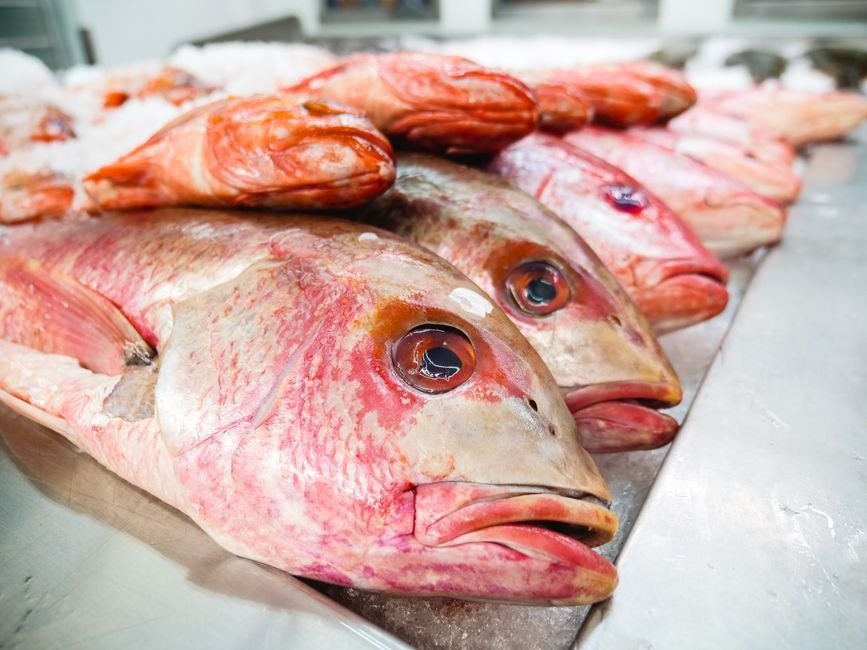
When evaluating whole fresh fish, several indicators point to its quality. We look for clear, bright, and bulging eyes – a cloudy or sunken eye is a red flag. The flesh should be firm and elastic, springing back when gently pressed, not leaving an indentation. The gills should be a vibrant red or pink, not brown or slimy. Perhaps the most telling sign is the smell: fresh fish should have a clean, oceanic scent, reminiscent of the sea, not an overpowering “fishy” odor. This “fishy” smell often indicates spoilage.
A key concept in freshness is “time off the knife.” This refers to the time elapsed since the fish was filleted, not necessarily when it was delivered to the store. Whole fish ages slowly, protected by its skin and scales. Once filleted, the exposed flesh begins to deteriorate more rapidly due to oxygen exposure. Therefore, asking a fishmonger when a fish was filleted can be more informative than asking about its delivery day.
Beyond visual and olfactory cues, we must also be aware of common additives or treatments found in some seafood, particularly in grocery store offerings. These are often used for cosmetic reasons or to retain moisture, but can compromise quality and flavor.
LIST of chemical additives to avoid on seafood ingredient labels:
- Sodium Tripolyphosphate (STPP): Often used in shrimp, scallops, and some fish fillets, STPP is a chemical that helps seafood retain moisture. While it makes the product appear plumper and heavier (meaning we pay for added water), it can also lead to a rubbery texture and make it difficult to achieve a good sear, as the water leaches out during cooking. Studies suggest STPP can inflate seafood weight by 7-10% or more.
- Carbon Monoxide (CO): This gas is sometimes used to treat tuna, particularly frozen varieties, to maintain a bright red or “fresh” appearance. While it makes the tuna look appealing, it masks the natural discoloration that indicates age and can alter the fish’s natural flavor and texture. We should look for natural ruby-red to purple hues in tuna, not an unnatural neon pink.
- Sodium Bisulfites: Primarily used on shrimp, bisulfites prevent melanosis, the natural enzymatic black spots that can appear on shrimp shells after harvest. While not harmful to most people, about 1% of the U.S. population has a sensitivity to bisulfites. Their use is purely cosmetic, and shrimp without these additives are generally preferable.
By being vigilant about these indicators and additives, we can ensure we’re selecting the highest quality seafood available. For those seeking convenience without compromising on quality, there are also excellent options for premium mercury-tested canned seafood that provide a safe and healthy alternative for pantry staples.
Decoding Sustainability Certifications, Eco-Labels, and Wild vs. Farmed Fish
In August 2026, consumer awareness of seafood sustainability continues to grow, making certifications and eco-labels increasingly important. These labels aim to guide us toward environmentally responsible choices, but understanding what they signify and their limitations is key.

Several prominent organizations offer certifications for sustainable seafood:
- Marine Stewardship Council (MSC): This is one of the most widely recognized certifications for wild-caught seafood. It ensures that fisheries meet strict environmental standards for sustainable fishing, including healthy fish stocks, minimal ecosystem impact, and effective management.
- Aquaculture Stewardship Council (ASC): The ASC provides certification for responsibly farmed seafood. Its standards address environmental impacts, such as water quality, feed, disease management, and social responsibility within the farm.
- Best Aquaculture Practices (BAP): A comprehensive certification program that covers the entire aquaculture production chain, from hatcheries and feed mills to farms and processing plants, ensuring environmental responsibility, social accountability, food safety, and animal welfare.
While these certifications are valuable, we might notice that many independent fish markets don’t display them, even if their seafood is sustainably sourced. This isn’t necessarily a reflection of their practices. Displaying official sustainability seals often involves licensing fees that smaller, independent markets may choose not to pay. They might prioritize direct relationships with local, sustainable fishermen and rely on their reputation and transparent communication with customers rather than costly logos. Major grocery chains, however, often enforce strict sourcing policies, supplier audits, and traceability checks, and thus frequently display these certifications as part of their commitment to sustainability.
The debate between wild-caught and farm-raised seafood is complex, with implications for sustainability, flavor, and price:
- Sustainability: Wild-caught stocks are finite, and overfishing remains a global concern. While responsibly managed wild fisheries (often MSC-certified) are sustainable, demand often outstrips what wild populations can provide. Farm-raised aquaculture, when done responsibly (ASC or BAP certified), can alleviate pressure on wild stocks and offer a sustainable protein source. However, poorly managed aquaculture can lead to environmental issues like pollution, habitat destruction, and disease transmission. The idea that supermarket seafood is inherently less sustainable than fish market seafood is often a myth; both channels can offer responsibly sourced options.
- Flavor: Flavor profiles can vary significantly between wild and farmed fish. Wild fish often have a more varied diet, which can lead to a richer, more complex flavor and firmer texture. Farmed fish, with controlled diets, tend to have a more consistent, milder flavor and often a higher fat content, which many consumers prefer. For example, wild Alaskan salmon is prized for its distinct taste and texture, while farmed Atlantic salmon offers a consistent, buttery flavor.
- Price: Generally, wild-caught seafood tends to be more expensive due to the higher costs associated with fishing, seasonal availability, and limited supply. Farm-raised seafood, benefiting from economies of scale and controlled environments, is often more affordable and consistently priced, making it a budget-friendly option for many households.
Both wild-caught and responsibly farmed seafood have a place in our diets. The key is to seek transparency in sourcing, whether through certifications, direct conversations with fishmongers, or researching the practices of specific retailers.
Regional Retail Trends and the Impact of Online Seafood Delivery
The landscape of seafood retail is dynamic, constantly evolving with consumer preferences and technological advancements. Across different regions, we observe unique retail trends, from long-standing local markets to innovative direct-from-fisherman models. Simultaneously, the rise of online seafood delivery services has dramatically reshaped how we access fresh catches.
In cities like St. Louis, following the closure of a major legacy fish market, we’ve seen a diversification of retail options. Gourmet specialty markets, international grocery stores like Pan-Asia Supermarket (offering over 100 varieties of fresh seafood), and even direct wholesaler pickups (e.g., Fortune Fish & Gourmet) have stepped up. Grassroots initiatives, such as informal local seafood text lists with hundreds of subscribers, connect consumers directly with fishermen bringing in Gulf seafood. This highlights a growing desire for direct sourcing and community-driven distribution.
In Milwaukee, established names like Empire Fish & Seafood Market continue to thrive, offering weekly specials and engaging customers with daily discounts and recipe ideas. These traditional markets often blend personalized service with a curated selection of fresh fish, catering to a loyal local clientele.
Tallahassee boasts Southern Seafood Market, a leader for nearly 30 years (established 1991). Their success is rooted in direct sourcing, often operating their own fishing boats in the Gulf of Mexico, and maintaining full FDA, USDC, and HACCP approvals. This model of vertical integration, from catch to counter, ensures freshness and quality, serving both retail customers and local restaurants.
Further south in Pensacola, Joe Patti’s World Famous Seafood Market has been a landmark for over 95 years. It exemplifies a comprehensive seafood destination, combining traditional fishmonger services with an adjacent gourmet grocery, fine wine shop, sushi bar, and even on-site steaming services. Such establishments become more than just a place to buy fish; they are culinary experiences and community hubs.

The most significant recent shift, however, has been the rise of online seafood delivery services. Companies like Wholey’s (with over 500,000 customers served and 24-48 hour delivery) and Joe Patti’s (now offering local delivery) have expanded their reach far beyond their physical locations. This model, often utilizing sophisticated cold-chain logistics, allows consumers nationwide to receive fresh or flash-frozen seafood directly at their doorstep.
This trend offers unparalleled convenience, especially for those in landlocked areas or with limited access to quality local markets. It also enables niche producers to reach a broader audience, offering specialty items that might otherwise be unavailable. The competitive landscape now includes both traditional brick-and-mortar stores adapting to online fulfillment and pure-play e-commerce seafood retailers. This expansion means we have more choices than ever, but it also places a greater emphasis on understanding the sourcing and handling practices of these online providers.
Frequently Asked Questions About Grocery and Seafood Sourcing
As we navigate the diverse options for sourcing seafood, several common questions arise. Addressing these can help us become more confident and informed consumers.
What questions should consumers ask fishmongers at the counter?
Building a rapport with a fishmonger, whether at a grocery store or a dedicated market, is one of the best ways to ensure we’re getting quality seafood. Don’t hesitate to ask:
- “Where is this seafood from?” Understanding the sourcing location (e.g., Gulf of Mexico, Alaskan waters, specific farm) provides insight into its journey and potential environmental impact.
- “When was it harvested/caught?” This helps gauge freshness. For whole fish, also ask “When was it filleted?” as this is often more critical than the delivery date.
- “Is this wild-caught or farmed?” Both can be sustainable, but knowing the distinction helps us understand the product’s characteristics and origin.
- “How should I prepare this?” Fishmongers are often a wealth of culinary knowledge and can offer preparation tips, cooking methods, and even recipe ideas tailored to the specific fish.
- “How long will this stay fresh, and how should I store it?” Proper storage is crucial for maintaining quality at home.
Why do some fish markets lack visible sustainability logos?
It’s a common misconception that the absence of a sustainability logo (like MSC, ASC, or BAP) means the seafood isn’t sustainably sourced. In reality, many independent fish markets, particularly smaller ones, choose not to display these logos for practical reasons:
- Licensing Fees: Displaying official eco-labels involves annual licensing fees and administrative costs. For smaller businesses with tight margins, these costs can be prohibitive, even if their suppliers are certified or adhere to sustainable practices.
- Direct Relationships: Many fish markets pride themselves on direct relationships with local, sustainable fishermen. They rely on their personal knowledge of the fishery’s practices and the fisherman’s reputation, rather than third-party certifications, to assure customers of sustainability.
- Transparency through Conversation: Instead of relying on a sticker, these markets foster transparency through direct conversation. They expect customers to ask questions about sourcing, and their staff are equipped to provide detailed answers about the origin and sustainability of their products.
- Focus on Local: Often, their primary focus is on local, seasonal catches, which may come from smaller-scale fisheries that haven’t pursued formal certification but operate sustainably.
Therefore, if we don’t see a logo, it’s always best to simply ask the fishmonger about their sourcing and sustainability practices.
Is frozen seafood as high-quality as fresh counter fish?
The quality of frozen seafood has improved dramatically over the years, and it can often be just as good, if not better, than “fresh” fish that has been sitting on a counter for several days.
- Flash Freezing: The key is how it’s frozen. High-quality frozen seafood is typically “flash-frozen” at extremely low temperatures shortly after being caught. This process rapidly freezes the water molecules, preventing large ice crystals from forming that can damage the fish’s cellular structure and lead to a mushy texture upon thawing.
- Peak Freshness: Often, seafood is flash-frozen at its peak freshness, right on the boat or shortly after landing. This means it can actually be “fresher” than some unfrozen fish that has traveled a long distance or spent several days in a display case.
- Shelf Life and Texture Preservation: Freezing locks in freshness, flavor, and nutrients, extending shelf life significantly. When properly thawed, well-frozen fish should retain its firm texture and taste.
- Vacuum Sealing: Individually vacuum-sealed frozen fillets are particularly good, as the lack of oxygen prevents freezer burn and preserves quality.
However, we should be wary of conventionally frozen seafood that might have been frozen slowly, thawed and refrozen, or treated with additives like STPP. Checking the ingredient list and asking about freezing methods can help us choose wisely. For convenience and consistent quality, a well-chosen frozen option can be an excellent alternative to fresh.
Conclusion
Navigating the diverse world of grocery and seafood retail requires a blend of knowledge and discernment. We’ve explored the distinct advantages of both supermarket seafood counters and specialized fish markets, recognizing that each serves different needs—from the everyday convenience and budget-friendly options of a 24-hour supermarket offering fresh produce to the premium, seasonal, and personalized offerings of a local fishmonger.
Our journey has also highlighted the critical importance of assessing seafood quality, understanding the nuances of “time off the knife,” and vigilantly identifying common chemical additives that can compromise both taste and health. Furthermore, we’ve demystified sustainability certifications, recognizing their value while also understanding why some reputable fish markets might not display them. The discussion around wild-caught versus farm-raised seafood underscores the need for balanced sourcing and informed choices.
Finally, the dynamic retail landscape, shaped by regional trends and the transformative impact of online seafood delivery services, offers us more options than ever before. Whether we’re seeking premium mercury-tested canned seafood for pantry staples or fresh fillets shipped directly to our door, the power to make responsible and delicious choices rests in our hands. By asking the right questions, inspecting our purchases carefully, and understanding the journey of our seafood, we can confidently bring quality and sustainability to our tables.
