


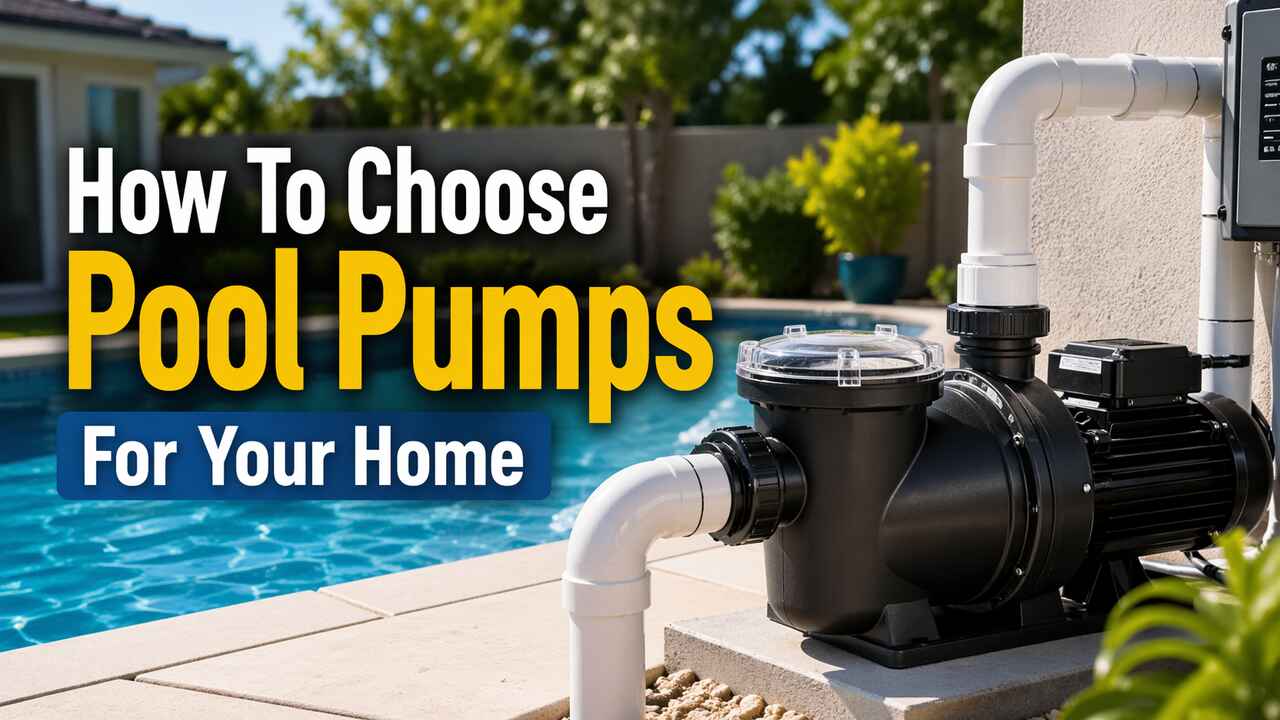


A crystal-clear pool is the centerpiece of summer fun. It is also a significant home investment. Proper maintenance protects that investment. The heart of a pool’s circulation system is the pump. This crucial component keeps the water clean and safe.
Selecting the right pool pumps ensures efficiency and saves money. Homeowners should approach this decision with care. The goal is to find a pump that matches the pool’s specific needs. This guide will walk through the key factors for a smart choice.
Determine the Pool’s Total Dynamic Head
Total Dynamic Head, or TDH, measures the resistance in a pool’s plumbing system. Think of it as the pressure the pump must work against. A higher TDH means the pump works harder to move water. Factors like pipe size, filter type, and heater distance affect this number. A professional can calculate the exact TDH for a pool. This calculation is the first step to identify the correct pump strength. A pump matched to the TDH operates with peak efficiency.
Calculate the Required Flow Rate
The flow rate is the volume of water a pump moves. It is measured in gallons per minute, or GPM. A pool needs its entire volume circulated at least once per day. An eight-hour turnover period is a common standard. To find the required GPM, divide the pool’s gallon capacity by 480. For example, a 24,000-gallon pool needs a flow rate of 50 GPM. This number ensures the water passes through the filter properly. Correct flow rate keeps the pool clean and the system healthy.
Select the Right Horsepower
Horsepower, or HP, refers to the motor’s power. Many people believe a bigger motor is always better. This is a common mistake. An oversized pump can cause damage. It leads to noisy operation and high energy costs. It can also strain the filter and pipes. An undersized pump will not clean the water effectively. The calculated TDH and flow rate determine the ideal horsepower. A correct HP selection balances performance with energy use.
Compare Pump Motor Types
Homeowners have two main choices for pump motors. Single-speed motors run at one constant rate. They are a less expensive initial purchase. However, they run at a high speed all the time. This results in substantial electricity bills. Variable-speed motors are the modern standard. They allow the user to set different speeds for different tasks. These motors use far less energy for routine filtration. Their higher upfront cost is usually recovered through energy savings. Many utility companies even offer rebates for their installation.
Evaluate Energy Efficiency and Cost
The long-term cost of a pump matters as much as the purchase price. Energy efficiency should be a primary concern. A pump is one of the largest energy users in a home. Variable-speed pumps are the most efficient option available. They can save a homeowner hundreds of dollars each year. Look for pumps with a certified ENERGY STAR rating. This label guarantees high efficiency standards. A focus on efficiency leads to lower operating expenses. It also reduces the environmental footprint of the pool. Choosing pool pumps requires a methodical approach. A proper pump selection guarantees a clean, healthy, and enjoyable pool for years. This careful planning ensures the pool remains a source of joy, not a financial burden.


