


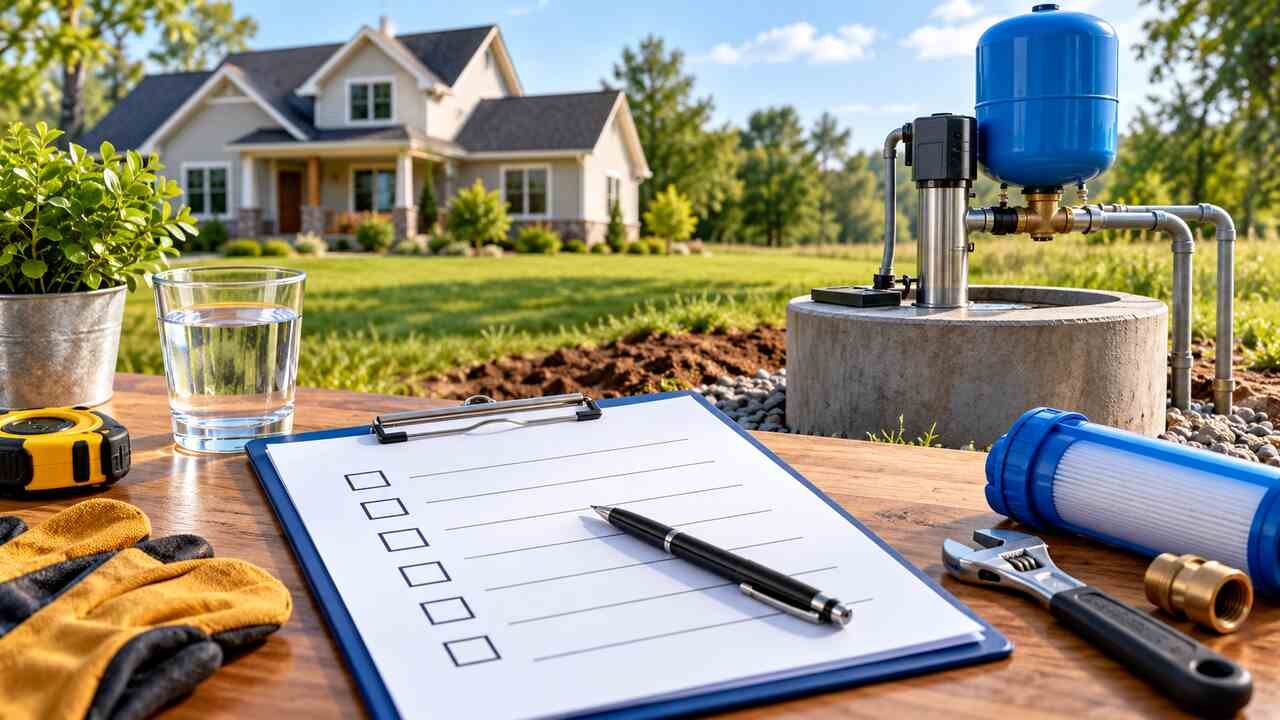


When a family buys rural land, the home, driveway, and septic system often get the most attention. The water source can become an afterthought. A private well, however, is a complete system that includes the well bore, casing, pump, pressure equipment, plumbing, and a plan for testing and maintenance.
Planning early can prevent access problems, poor site placement, and costly changes later. For Texas homeowners who need property-specific advice, water well drilling contractors such as Hazelett Drilling Inc. offer residential drilling guidance for domestic wells, landscape irrigation, geothermal applications, pumps, pressure systems, storage tanks, and cisterns. Based in Lockhart and serving communities across Texas, the company brings more than four decades of state drilling experience and regional geology knowledge to projects where site conditions can vary substantially.
Confirm That a Private Well Fits the Property
Start by finding out whether public water service is available, planned, or financially practical for the property. Then contact the county, local health department, groundwater district, or other applicable authority to inquire about private well requirements. Where available, nearby well records can provide useful background on local depths, reported yields, and geologic conditions.
Think beyond today’s household needs. A well for a small full-time household may be very different from one serving a large home, guest quarters, livestock, a workshop, or extensive irrigation. Defining intended use before drilling helps the contractor design a more suitable system.
Choose a Well Site Before Construction Crowds the Lot
Map the house, septic tank, and drain field, property lines, driveways, barns, drainage routes, fuel storage, animal areas, and places where chemicals may be stored or mixed. Local setback rules can govern how far a well must be from septic components, roads, boundaries, or potential contamination sources.
The best location is not always the closest point to the house. A good site should remain accessible to a drilling rig, service truck, and future pump-replacement equipment. It should also be protected from flooding and graded so that runoff flows away from the wellhead instead of collecting around it.
Handle Permits, Setbacks, and Records Up Front
Rules differ by state, county, groundwater district, and property type, so get answers before work starts. Ask whether a permit is required, whether the driller and pump installer must be licensed, which setbacks apply, and whether the completed well needs an inspection or construction report.
Keep copies of permits, drilling logs, pump details, invoices, repair records, and water-test results. These documents are useful for maintenance decisions and can answer important questions if the property is sold.
Plan for Peak Water Demand, Not Just Average Use
Water demand exceeds the number of people in the home. Consider how many bathrooms may run at once, whether laundry and dishwashing overlap, and whether the property will use water for irrigation, a pool, livestock, or another dwelling.
- Flow rate is how quickly the well can supply water.
- The recovery rate describes how the water level replenishes after pumping.
- Storage capacity can help a lower-producing well meet periods of higher demand.
- Pressure needs affect pump, tank, and plumbing choices.
A two-person household with modest indoor use may have a very different design from a larger home that irrigates several acres. A lower-yield well can still serve a property when storage and pumping equipment are designed around actual demand.
Match the Well Components to the Job
Well casing supports the bore and helps protect the water source from surface contamination. Screens may be used in certain well designs to allow water in while limiting sediment. A submersible pump lifts water from the well, while a pressure tank stores a small amount of pressurized water and helps reduce rapid pump cycling.
Some properties may also need a booster pump, constant-pressure equipment, a larger storage tank, a cistern, or a solar-powered pumping option. The pump should be selected based on the well’s production, pumping depth, pressure requirements, and expected demand, rather than as a one-size-fits-all component.
Make Water Testing Part of Ownership
Clear water is not necessarily safe water. A baseline laboratory test after construction provides a useful starting record, and regular testing can identify changes that cannot be detected by taste, smell, or appearance. The EPA recommends annual testing for common indicators, including total coliform bacteria, nitrates, total dissolved solids, and pH.
Local conditions may justify testing for additional concerns, such as iron, manganese, hardness, metals, pesticides, or other contaminants associated with nearby land use. Test again after flooding, repairs, nearby construction, or a change in odor, color, taste, or clarity. Treatment should follow test results, not guesswork.
Protect the Wellhead and Surrounding Area
Keep fertilizers, pesticides, paint, fuel, petroleum products, and animal waste away from the well. Maintain drainage away from the casing, keep the cap or sanitary seal secure, and periodically inspect exposed wiring, plumbing, and the casing for damage. A clean, accessible wellhead makes problems easier to notice before they become more serious.
Follow a Simple Maintenance Calendar
- Monthly: Watch for leaks, pressure changes, unusual sounds, or a pump that cycles more often than normal.
- After heavy rain or flooding: Inspect the well area and arrange testing if contamination is possible.
- Annually: Test the drinking water and review the system’s condition.
- Every few years, have a qualified professional assess pump performance, pressure equipment, wiring, treatment devices, and storage components.
- After repairs: Confirm steady pressure and test the water when appropriate.
Prepare for Drought and Seasonal Changes
Dry conditions can affect water availability, pumping performance, sediment, and water quality. Reduce unnecessary demand by fixing leaks, using efficient irrigation, and watering during cooler periods. Pressure drops, air in plumbing lines, cloudy water, or longer pump run times deserve attention, especially during prolonged dry weather.
Know When to Call a Professional
Do not ignore sudden pressure loss, brown or cloudy water, metallic or foul odors, constant pump operation, frequent cycling, electrical breaker trips, visible casing damage, standing water around the wellhead, or repeated bacteria or nitrate results. These symptoms can involve the pump system, plumbing, water source, or risk of contamination, and prompt evaluation can limit further damage.
Common Questions About Private Wells
How long does it take to drill a residential well?
Timing depends on permits, access, ground conditions, depth, casing requirements, weather, pump installation, and testing. Drilling and final equipment setup may occur on separate days.
Does well water always need a filter?
No. Treatment should address a confirmed condition. Depending on results, a property may use sediment filtration, softening, carbon filtration, ultraviolet disinfection, reverse osmosis, or another targeted solution.
What should a buyer ask before purchasing a home with a well?
Request the well depth, pump age, production information, water-test results, repair history, construction documents, and the locations of the well, septic system, pressure tank, and treatment equipment. The University of Georgia’s well-water guidance also emphasizes regular testing and wellhead inspections as practical steps to protect a private water supply.
A Better Well Starts With a Better Plan
Private well ownership is easier when planning starts before drilling. A careful site review, realistic demand estimate, properly matched equipment, routine testing, and basic maintenance calendar can help protect both the water supply and the property investment. When geology is uncertain, water needs are complex, or a system begins showing warning signs, seeking qualified local help early is a practical decision.


