


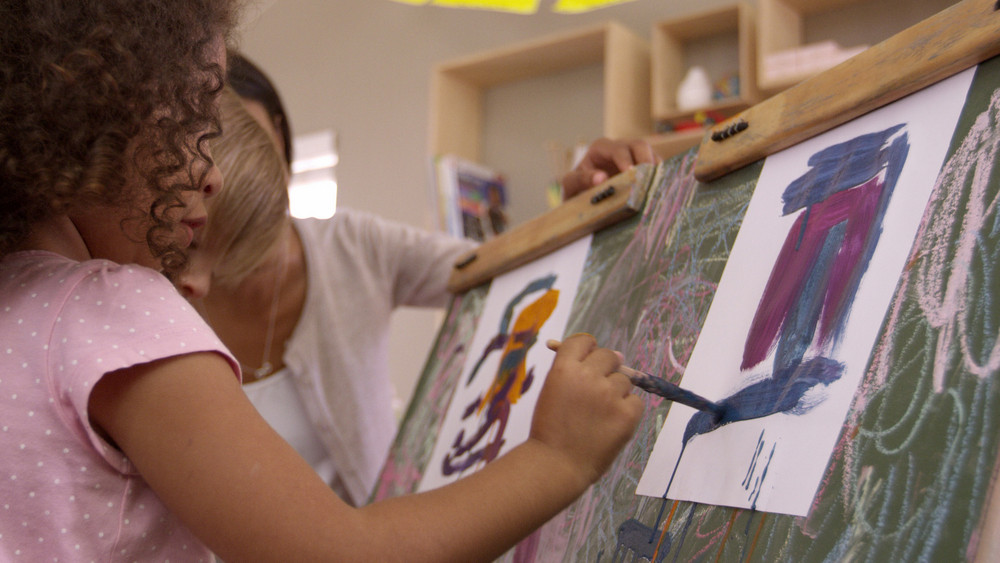


Preschool education plays a crucial role in fostering the healthy development of children during their formative years. As the human brain develops significantly from birth to age three, early education efforts are paramount. Understanding the detailed benefits of preschool attendance helps in realizing its influence on childhood growth.
The Importance of Early Cognitive Development
Most brain development in humans occurs within the first few years of life, making early cognitive activities vital. Reports suggest that a staggering 80% of a child’s brain takes its shape by age three, highlighting the need for cognitive stimulation during these early years. Preschool environments contribute significantly to this process by introducing children to structured learning and problem-solving activities that enhance their intellectual growth.
Preschool programs provide children with opportunities to engage in various hands-on learning experiences that stimulate brain function. Activities such as puzzles, creative play, and storytelling facilitate critical thinking and help improve cognitive abilities. Exposure to such activities ensures children are not only entertained but are also mentally challenged, thereby effectively using their growing brain structures.
Another crucial aspect of cognitive development in preschool is language acquisition. Through interaction with teachers and peers, children expand their vocabulary and improve language skills. These are critical elements of cognitive development, as they influence communication skills and learning throughout a child’s academic journey.
The Role of Physical Activity in Childhood Health
Physical activity is an integral component of ensuring a healthy lifestyle from a young age. Expert recommendations suggest that young children should participate in a minimum of 60 minutes of physical activity daily to maintain good health. Incorporating such exercises within preschool settings promotes physical well-being and helps in developing motor skills and coordination.
Physical activities in a preschool setting range from outdoor play and organized sports to dance and movement sessions. These activities not only boost health by keeping children active but also contribute to their overall physical development. Regular physical activity aids in building strong bones and muscles, which are essential for growth and general health.
Moreover, including physical education in preschool has been linked to improved behavior and enhanced concentration levels in children. An active body leads to a more active brain, which is beneficial in an educational setting. By prioritizing physical activity within preschools, educators can contribute to developing holistic health habits that benefit children throughout their lives.
Preschool Attendance and Its Wider Benefits
In recent years, a substantial portion of young children have been enrolled in early education programs. Statistics reveal that approximately 66% of children of preschool age participate in such programs, underscoring the widespread acceptance and perceived importance of early learning. The benefits of attending preschool extend beyond mere academic preparation, affecting socialization and emotional development as well.
Through preschool attendance, children have the chance to interact with peers in a structured environment, fostering social skills. This interaction is crucial for developing friendships, understanding social norms, and improving communication abilities. Engaging with others in a preschool setting also helps children become more adaptable and cooperative, skills essential for future success in various aspects of life.
Furthermore, preschools offer emotional development opportunities by helping children learn to manage emotions and resolve conflicts. Being part of a learning community provides a safe space where children can express feelings and ideas, building confidence. Emotional health and resilience developed during these years contribute significantly to a child’s well-being and success in later stages of education and life.
Preschool plays a pivotal role in early childhood development through cognitive enrichment, encouragement of physical activity, and social engagement, supporting the holistic growth of children. As we understand more about the early years’ impact, fostering a nurturing preschool environment is vital for promoting health and development in young children.


