


Key Takeaways
- Learn the primary reasons LTD claims are denied.
- Carefully review your denial notice for specifics.
- Collect thorough medical documentation to back up your claim.
- Follow all procedural steps and meet deadlines for your appeal.
- Consider professional legal assistance to strengthen your appeal.
Table of Contents
- Common Reasons for LTD Claim Denials
- Reviewing Your Denial Letter
- Gathering Additional Medical Evidence
- Understanding the Appeal Process
- Meeting Deadlines and Procedural Requirements
- Seeking Professional Assistance
- Maintaining Consistent Medical Treatment
- Documenting Daily Limitations
- Conclusion
Receiving a denial for your long-term disability (LTD) claim can feel overwhelming and discouraging. However, being denied is not unusual and, importantly, it does not represent your final chance at accessing benefits. Many people find themselves in this situation and successfully appeal. If you need guidance or support, an ERISA disability insurance lawyer can provide valuable assistance during your appeal process.
Knowing what steps to take after a denial is crucial for mounting an effective appeal. This article outlines the reasons why claims are often denied, the importance of understanding your denial letter, and the strategies that can increase your chances of a successful appeal.
It is essential to approach this process with organization, diligence, and persistence. Taking the time to gather comprehensive medical records and keeping track of all deadlines can make a significant difference in your appeal’s outcome.
Additionally, remaining proactive and well-informed as you move forward can lessen stress and improve your chances of a positive resolution.
Common Reasons for LTD Claim Denials
Understanding the main reasons your LTD claim may have been denied is the foundation of a strong appeal. Some of the most typical reasons include:
- Insufficient Medical Evidence: Claims lacking detailed medical records or physician statements are often denied due to insufficient substantiation.
- Pre-Existing Conditions: Disabilities related to health issues pre-dating your policy’s start are commonly excluded from coverage.
- Missed Deadlines: Failing to file your claim or appeal within the insurer’s deadlines almost always results in a denial.
- Policy Exclusions: Some policies explicitly exclude certain illnesses, injuries, or circumstances from coverage.
Being aware of the underlying reason behind your denial helps you target the precise areas that must be addressed to overturn the decision.
Reviewing Your Denial Letter
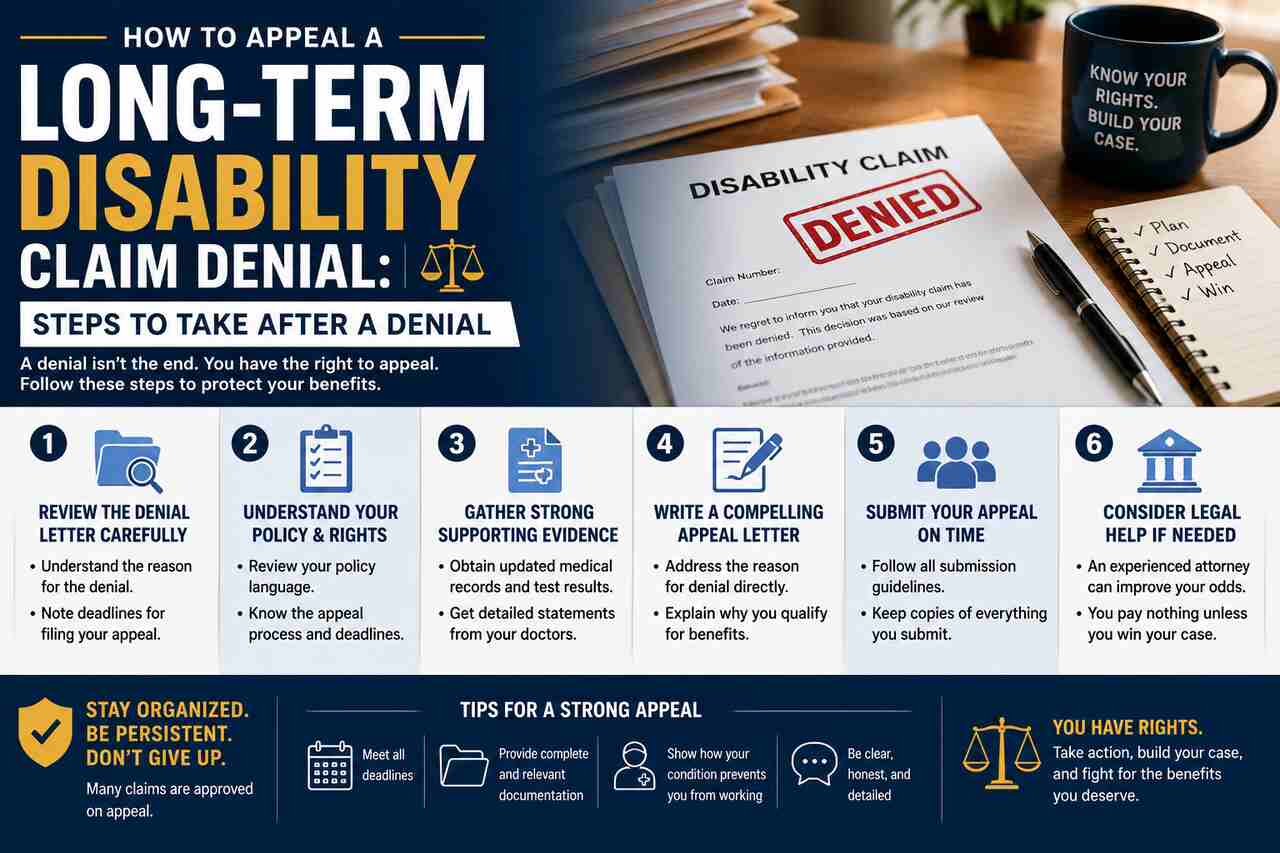
After receiving your denial letter, read it carefully. The letter will specify why your claim was denied, any missing or incomplete documentation, and instructions for filing an appeal or requesting a review. Understanding the exact reasons for the denial is vital for crafting a targeted and efficient response.
- Confirm what information or evidence was found lacking.
- Take note of the insurer’s instructions for appealing the decision.
- Record all important deadlines and procedural steps.
This initial step ensures you do not waste time or effort during the appeal and that you avoid repeating errors made in the initial submission. Addressing every point made in the denial letter will show a good-faith effort and demonstrate that you are working diligently to resolve the company’s concerns about your claim.
Gathering Additional Medical Evidence
One of the most powerful strategies for strengthening your appeal is submitting additional, comprehensive medical documentation. Consider taking the following actions:
- Request detailed written statements from your treating physicians outlining your diagnosis, symptoms, limitations, and prognosis.
- Arrange for supplemental medical exams or diagnostic tests as needed to provide objective evidence supporting your claim.
- Compile a complete record of all medical appointments, prescriptions, and treatment regimens connected to your disability.
Gathering well-documented evidence greatly improves your chances of a successful appeal by demonstrating the legitimacy and impact of your medical condition. Proactively updating your file shows the reviewer that you are committed to substantiating your claim.
Understanding the Appeal Process
Familiarize yourself with your insurer’s specific appeal process. Most LTD policies provide a set procedure that will typically include:
- Submitting a formal written appeal, often within a 180-day window.
- Providing supplemental medical and vocational evidence.
- Possibly participating in a hearing or conference with an insurance representative.
Each insurance provider may have unique instructions. It is critical to follow your policy’s appeal steps carefully to avoid administrative pitfalls that could undermine your case. Keep a copy of all submitted paperwork for your records, and document every phone call and piece of correspondence related to your appeal.
Meeting Deadlines and Procedural Requirements
Your appeal will only be considered if all relevant deadlines are met. Document every key date on a calendar as soon as you receive your denial letter and build reminders for follow-ups and submissions. Missing a deadline may void your right to further contest the insurer’s decision. Submit all requested documents and forms accurately and on time.
Seeking Professional Assistance
Consulting with an attorney specializing in LTD appeals can greatly improve your chances of success. These professionals can review the policy language and denial rationale, gather and present evidence in a compelling manner, and handle communications with the insurance company. Their involvement can make a significant difference in complex or contested cases. Seeking guidance early can also prevent unnecessary delays or mistakes in the appeal process, giving you a fuller understanding of your rights and responsibilities.
Maintaining Consistent Medical Treatment
Ongoing, consistent medical care is essential for both your health and your claim. Regular appointments and treatments help establish the seriousness and chronic nature of your condition, thereby substantiating your claim throughout the appeals process. Staying current with scheduled care demonstrates your commitment to recovery and ensures that all necessary documentation is up to date. This proactive approach can positively influence the outcome of your claim by providing clear evidence of your ongoing medical needs.
Documenting Daily Limitations
Keep a personal journal recording all instances in which your disability affects your daily routine or prevents you from performing essential tasks. Note any assistance you require at home or work and describe the specific ways symptoms impact your quality of life. These records provide immediate, firsthand accounts that strengthen your medical evidence and support your appeal. Including detailed anecdotes and examples can be very persuasive in clarifying the real-life effects of your condition.
Conclusion
An LTD claim denial is not absolute. With careful planning, detailed documentation, and the right professional guidance, you can navigate the appeals process and give yourself the best chance for success. By remaining thorough, detail-oriented, and persistent, you can advocate for the benefits you need and deserve.
