


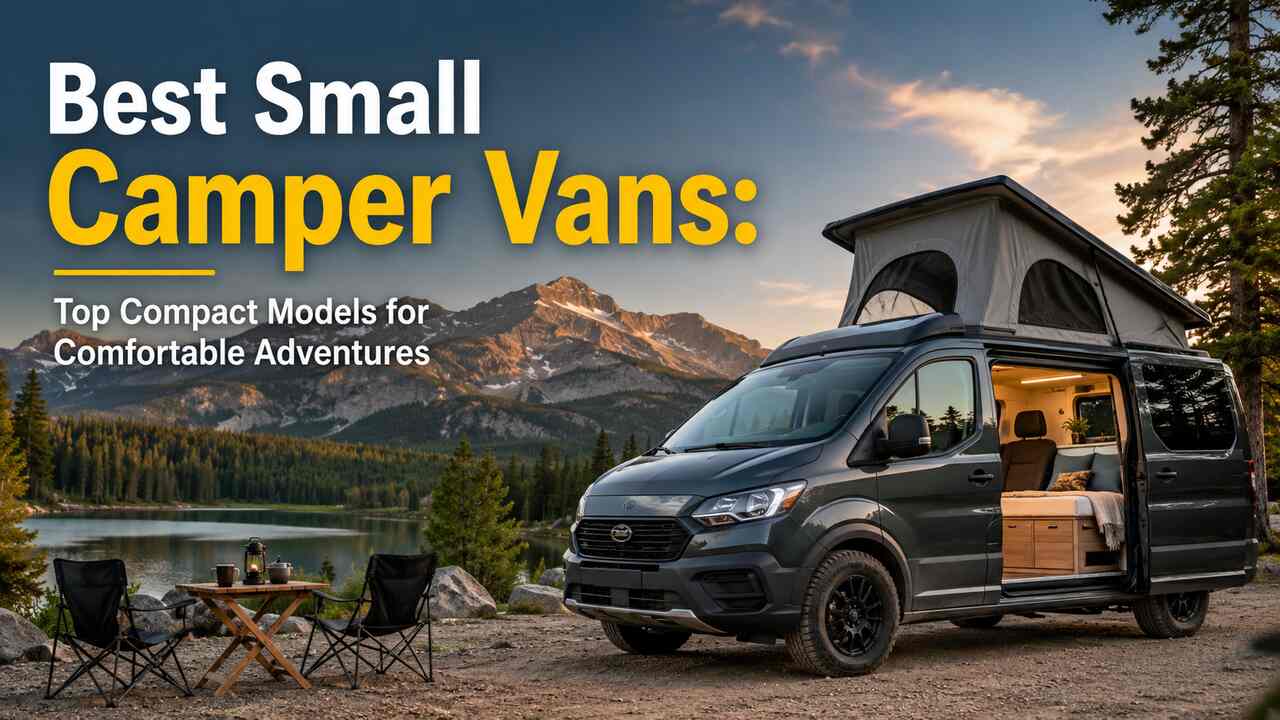


Small camper vans have become one of the most popular choices for travelers who want the freedom of van life without the size, cost, or complexity of a large motorhome. Whether you’re planning weekend getaways, cross-country road trips, or full-time travel, the best small camper vans combine comfort, fuel efficiency, practical storage, and modern amenities in a compact footprint.
Choosing the right camper van depends on your travel style, budget, sleeping capacity, and desired features. Some models prioritize off-road capability, while others focus on luxury interiors or affordability. This guide covers the leading small camper vans, compares their features, explains what to look for before buying, and helps you find the ideal option for your next adventure.
Compare the Best Small Camper Vans
Before exploring each model in detail, use this comparison table to identify which camper van best matches your travel needs.
| Camper Van | Base Vehicle | Sleeps | Kitchen | Bathroom | Best For |
|---|---|---|---|---|---|
| Winnebago Solis Pocket | Ram ProMaster | 2 | Yes | Portable Toilet | Weekend trips |
| Thor Scope | Ram ProMaster | 2 | Yes | Wet Bath | Couples |
| Airstream Interstate 19 | Mercedes-Benz Sprinter | 2 | Yes | Wet Bath | Luxury travelers |
| Storyteller Overland Mode LT | Mercedes Sprinter AWD | 2 | Yes | Portable Shower | Off-road adventures |
| Pleasure-Way Tofino | Ram ProMaster City | 4 | Compact | No | Families |
| Hymer Free S | Mercedes Sprinter | 2-4 | Full Kitchen | Wet Bath | Long-distance travel |
| Safari Condo XL Flex | Ram ProMaster | 2-4 | Yes | Optional | Flexible layouts |
Choose the Right Size Before Buying
The first step is determining how much space you actually need. Small camper vans generally range from 17 to 21 feet long. They are much easier to drive, park, and maintain than larger Class C or Class A RVs.
A shorter wheelbase improves maneuverability in cities and national parks while reducing ferry fees and parking limitations. Longer compact vans provide more storage, larger kitchens, and permanent beds.
Think about your typical travel routine. Solo travelers often prioritize mobility and fuel economy, while couples may appreciate larger kitchens and indoor bathrooms. Families usually need pop-top roofs or convertible sleeping arrangements.
Compare Popular Small Camper Van Models
Several manufacturers consistently build some of the highest-rated compact camper vans on the market.
Winnebago Solis Pocket
The Winnebago Solis Pocket focuses on simplicity and versatility. Built on the Ram ProMaster chassis, it includes a Murphy-style bed, compact galley kitchen, removable table, and efficient storage.
Its flexible interior allows travelers to transport bikes, kayaks, or outdoor equipment without sacrificing living space. The optional rooftop solar system makes off-grid camping more practical.
This model works especially well for first-time camper van owners because it balances affordability with quality construction.
Thor Scope
The Thor Scope offers many of the amenities found in larger motorhomes while remaining compact enough for daily driving.
Inside, buyers receive:
- Wet bathroom
- Refrigerator
- Induction cooktop
- Convertible sleeping area
- Roof air conditioner
- Solar charging system
Its complete bathroom makes extended road trips significantly more comfortable than simpler camper conversions.
Airstream Interstate 19
Luxury travelers frequently choose the Airstream Interstate 19 because of its premium craftsmanship and refined interior.
Highlights include:
- Mercedes-Benz chassis
- High-end cabinetry
- Leather seating
- Advanced safety technology
- Quiet diesel engine
- Spacious wet bath
Although it carries a higher purchase price, the Interstate maintains excellent resale value thanks to the Airstream reputation.
Storyteller Overland Mode LT
Adventure travelers often prioritize rugged capability, making the Storyteller Overland Mode LT a standout option.
Key features include:
- All-wheel drive
- Large lithium battery system
- Off-road suspension
- Indoor and outdoor shower
- Modular storage
- Extensive solar capability
Instead of focusing solely on campground comfort, this van supports remote camping and extended off-grid exploration.
Pleasure-Way Tofino
The Pleasure-Way Tofino is among the smallest factory-built camper vans available.
Its pop-top roof creates additional sleeping space while keeping the van compact enough for urban driving.
Owners appreciate:
- Excellent fuel economy
- Easy parking
- Affordable maintenance
- Comfortable seating
- Flexible sleeping arrangements
Although it lacks a permanent bathroom, many travelers consider the increased interior flexibility worthwhile.
Evaluate Sleeping Arrangements
Sleeping comfort has a major impact on long road trips.
Common bed configurations include:
| Bed Type | Advantages | Ideal For |
|---|---|---|
| Fixed Rear Bed | Ready anytime | Full-time travelers |
| Murphy Bed | More living space | Couples |
| Convertible Dinette | Maximum flexibility | Weekend camping |
| Pop-Top Bed | Extra sleeping area | Families |
| Twin Beds | Easy access | Older travelers |
Permanent beds save setup time, while convertible layouts maximize daytime living space.
Your preferred sleeping arrangement should match both the number of travelers and the duration of your trips.
Prioritize Kitchen Features
Cooking inside the camper reduces travel costs and increases flexibility.
Look for:
- Two-burner stove
- Compressor refrigerator
- Deep sink
- Countertop workspace
- Fresh water tank
- Pantry storage
Some compact vans sacrifice counter space to create larger sleeping areas. Others include slide-out kitchen extensions for outdoor cooking.
If you frequently camp off-grid, refrigerator efficiency and water capacity become more important than microwave ovens.
Consider Bathroom Options
Bathrooms vary significantly among small camper vans.
Common configurations include:
- Wet bath
- Cassette toilet
- Portable toilet
- Outdoor shower
- Interior shower
- No bathroom
Weekend travelers often find portable toilets sufficient, while full-time travelers usually prefer enclosed wet baths.
Bathroom size also affects available kitchen space and storage.
Examine Power and Solar Systems
Electrical capability determines how long you can stay away from campgrounds.
Modern camper vans increasingly include:
- Roof-mounted solar panels
- Lithium batteries
- Inverters
- Shore power hookups
- DC charging
- Smart energy monitoring
Larger battery banks allow extended use of refrigerators, lights, laptops, fans, and portable appliances.
If remote camping is a priority, invest in the largest electrical system your budget allows.
Check Storage Capacity
Storage affects both convenience and organization.
Important storage areas include:
- Rear garage
- Overhead cabinets
- Under-bed compartments
- Pantry
- Exterior gear storage
- Roof rack
Outdoor enthusiasts often require additional storage for bicycles, skis, surfboards, fishing equipment, or climbing gear.
Modular storage systems offer greater flexibility than fixed cabinetry.
Compare Fuel Economy and Driving Experience
One major advantage of compact camper vans is improved fuel efficiency.
Average estimates include:
| Vehicle Type | Typical MPG |
|---|---|
| Compact Camper Van | 16–22 MPG |
| Large Class B RV | 14–18 MPG |
| Class C Motorhome | 10–14 MPG |
| Class A Motorhome | 6–10 MPG |
Smaller dimensions also make parking, reversing, and navigating narrow roads much easier.
Drivers transitioning from SUVs often adapt quickly to compact camper vans.
Decide Between New and Used Camper Vans
Buying new provides warranty coverage and the latest technology.
Advantages include:
- Manufacturer warranty
- Modern safety systems
- Updated interiors
- Improved fuel efficiency
Used camper vans typically offer greater value.
Benefits include:
- Lower purchase price
- Reduced depreciation
- Potential aftermarket upgrades
- Lower insurance costs
Always inspect maintenance records, water damage, roof condition, electrical systems, and appliance functionality before purchasing a used camper van.
Budget for Ownership Costs
Beyond the purchase price, ongoing expenses should influence your decision.
Typical ownership costs include:
- Insurance
- Fuel
- Maintenance
- Tires
- Registration
- Campground fees
- Repairs
- Winterization
Luxury vans generally cost more to maintain due to premium components and specialized service requirements.
Budget-conscious buyers should compare long-term ownership costs rather than focusing solely on the initial purchase price.
Match the Camper Van to Your Travel Style
Different travel styles require different camper van layouts.
Weekend travelers often benefit from compact models with simple kitchens and flexible seating.
Remote explorers should prioritize four-wheel drive, solar systems, larger batteries, and increased ground clearance.
Digital nomads frequently value workspace, reliable power, mobile internet, insulation, and larger freshwater tanks.
Families usually need pop-top roofs, extra seating, and multiple sleeping areas.
Understanding your travel habits helps eliminate models that include unnecessary features while highlighting those that truly support your adventures.
Inspect Build Quality Before Purchasing
Construction quality affects reliability, comfort, and resale value.
Look closely at:
- Cabinet construction
- Insulation
- Plumbing connections
- Electrical wiring
- Door seals
- Window installation
- Flooring materials
- Ventilation
Well-built camper vans minimize rattles, leaks, and maintenance issues over many years of ownership.
Factory-built models often provide more consistent quality control, while custom conversions can offer highly personalized layouts when completed by reputable builders.
Plan for Off-Grid Camping
Many buyers want the freedom to camp beyond traditional RV parks.
Features that improve off-grid capability include:
- Large freshwater tanks
- High-capacity lithium batteries
- Roof solar panels
- Diesel or propane heating
- Composting or cassette toilets
- Efficient insulation
- Ventilation fans
The more self-sufficient your camper van is, the longer you can comfortably remain away from hookups.
However, larger water and battery systems add weight and increase purchase costs, so balance your needs with your budget.
Test Drive Before Making a Final Decision
Even the best floor plan may not feel comfortable behind the wheel.
During a test drive, pay attention to:
- Driver visibility
- Seat comfort
- Turning radius
- Road noise
- Braking performance
- Suspension
- Parking ease
- Wind stability
Spend time inside the living area as well. Open cabinets, convert the bed, use the kitchen, and check whether you can move around comfortably. Small differences in layout can have a significant impact during extended trips.
Personalize Your Camper Van
Many owners customize their vans after purchase to better suit their lifestyle.
Popular upgrades include:
- Roof racks
- Bike carriers
- Additional solar panels
- Upgraded mattresses
- Portable induction cooktops
- Diesel heaters
- Starlink or cellular internet systems
- Security systems
- Window coverings
- Storage organizers
Making gradual improvements over time allows you to learn what you truly need instead of spending heavily on unnecessary accessories.
Conclusion
The best small camper vans deliver an excellent balance of mobility, comfort, efficiency, and adventure. Whether you prefer the affordability of the Winnebago Solis Pocket, the luxury of the Airstream Interstate 19, the rugged capability of the Storyteller Overland Mode LT, or the flexibility of the Pleasure-Way Tofino, the right choice depends on how you plan to travel.
Focus on sleeping arrangements, kitchen functionality, bathroom needs, power systems, storage, fuel economy, and overall build quality before making your purchase. By matching your camper van to your travel style and long-term goals, you’ll enjoy more comfortable road trips, greater freedom, and a better ownership experience for years to come.
FAQ”s
What is the best small camper van for beginners?
The Winnebago Solis Pocket is often recommended for first-time buyers because it offers a practical layout, manageable size, and a good balance of features without the complexity of larger RVs.
Which small camper van is best for off-grid camping?
The Storyteller Overland Mode LT is one of the strongest choices thanks to its all-wheel drive, lithium battery system, solar capability, modular interior, and rugged construction for remote travel.
Are small camper vans suitable for full-time living?
Yes. Many people live full-time in compact camper vans. Choosing a model with an efficient kitchen, comfortable bed, adequate storage, reliable power, and a bathroom makes long-term living much more practical.
How much does a small camper van typically cost?
Prices vary widely depending on the manufacturer, size, and features. New factory-built models often range from around $80,000 to well over $200,000, while used vans and DIY conversions can be found at lower price points.
Do small camper vans have bathrooms?
Some models include a full wet bath with a toilet and shower, while others use portable toilets or omit bathroom facilities to maximize interior space. Your preferred camping style should guide this decision.
Is a camper van better than towing a travel trailer?
A camper van is generally easier to drive, park, and maneuver, making it an excellent choice for frequent road trips and urban travel. A travel trailer may provide more living space for the price but requires a suitable tow vehicle and additional setup at campsites.


