


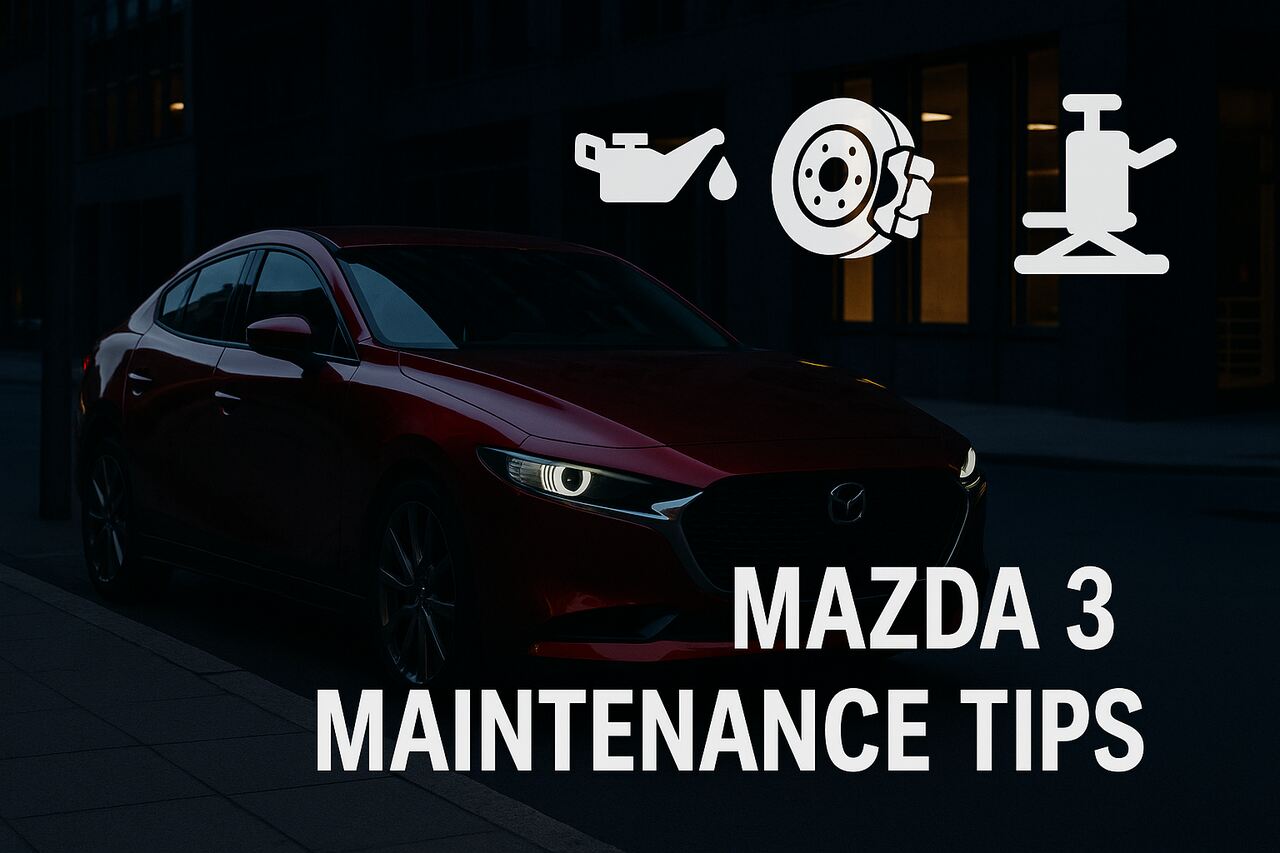


The Mazda 3 is known for its responsive handling, efficient powertrain, and long-term reliability, but it performs at its best only when maintained on a consistent schedule. Proper care preserves engine health, protects safety systems, enhances fuel efficiency, and keeps ownership costs predictable. This guide provides detailed practical steps that help Mazda 3 owners maintain their sedan or hatchback for durability, performance, and longevity.
What Routine Maintenance Does a Mazda 3 Need and When?
Routine maintenance ensures that every system in the Mazda 3 continues running efficiently. The car performs best when services are done before parts wear out. Regular intervals keep engine components lubricated, ensure braking power remains strong, and prevent overheating or premature transmission wear.
Mazda models vary slightly by year and engine type, but most require regular attention to engine oil, filters, brakes, tires, coolant, and transmission fluid. Synthetic oil, quality filters, and correct fluid specifications are essential for preventing avoidable mechanical damage. Rotating tires and inspecting brake pads promote even wear and safer braking distances.
Driving conditions influence when service is required. City traffic, dusty environments, frequent short trips, or hot climates often shorten intervals. Owners who drive in heavy rain or monsoon seasons benefit from more frequent fluid and brake checks. Monitoring mileage, environmental conditions, and driving habits helps keep the maintenance schedule accurate.
When Should You Change the Engine Oil and Filter?
Changing the oil and filter on time is one of the most important actions to protect the Mazda 3 engine. Fresh oil maintains the correct viscosity to lubricate internal components and dissipate heat. Most Mazda 3 engines require changes every 5,000–7,500 km depending on oil type and driving style.
Mazda commonly recommends 0W-20 or 5W-30 full synthetic oil, depending on model year and regional temperature. The filter must trap debris without restricting oil flow, so choosing a high-quality filter prevents contaminants from circulating back into the system.
Short trips, high-speed driving, temperature extremes, and dusty roads increase oil degradation. In these conditions, the upper limit of the interval should not be used. Monitoring oil color on the dipstick, listening for increased engine noise, or watching for the oil indicator light helps identify early signs of overdue service.
How Often Should You Rotate Tires and Check Alignment?
Rotating tires ensures even wear and preserves traction and fuel efficiency. The Mazda 3 typically benefits from tire rotation every 10,000–12,000 km, which aligns with most scheduled services. Even tread conditions improve braking performance and extend tire lifespan.
Tire rotation patterns differ for front-wheel drive and all-wheel drive variants, but Mazda 3 models usually follow a front-to-rear cross pattern. At every rotation, the mechanic should check wheel alignment, balance, and tread wear indicators. Proper alignment prevents uneven wear and improves steering stability.
Rough roads, potholes, or frequent highway driving may require more frequent alignment checks. Seasonal changes also influence tire pressure due to temperature shifts, and improper inflation reduces fuel economy and handling precision. Keeping a tire pressure gauge in the car supports consistent monitoring.
When is It Time to Inspect or Replace Brake Pads and Rotors?
Brake components are essential for safety and must be inspected regularly. Mazda 3 brake pads generally last 15,000–30,000 km, depending on materials and driving conditions. If you notice squealing, reduced responsiveness, or vibration during braking, inspection should take place immediately.
Pads should be replaced before they reach minimal safe thickness. Rotors must remain smooth and flat to ensure proper contact with pads. Warped or grooved rotors cause vibration and longer stopping distances. Many technicians measure rotor thickness and check for heat spots or uneven wear.
Stop-and-go traffic, mountain roads, and humid climates increase brake wear. Drivers who frequently carry passengers or cargo should inspect pads more often due to increased braking load. Ensuring the brake fluid level and condition remains healthy also helps maintain braking power.
How Frequently Should Coolant, Transmission Fluid, and Other Vital Fluids Be Checked or Replaced?
Fluids serve as the lifeblood of the Mazda 3. Coolant prevents overheating, transmission fluid ensures smooth gear shifts, and brake fluid maintains hydraulic pressure. Checking levels monthly and replacing fluids according to schedule safeguards each system.
Most Mazda 3 coolant systems require replacement every 2–3 years, depending on coolant type. Mazda-specific FL22 coolant often lasts longer and protects aluminum components against corrosion. The transmission fluid interval varies by model year, but many benefit from changes every 60,000–100,000 km, especially in hot climates.
Power steering fluid (for older models), brake fluid, and windshield washer fluid also need periodic checks. Dark, dirty, or burnt-smelling fluids usually indicate contamination or system strain. Maintaining proper fluid levels helps avoid overheating, gear slip, and loss of braking efficiency.
How Can You Inspect Key Components for Wear and Tear Between Services?
Between professional service visits, basic inspections allow drivers to catch early issues. Quick checks reduce the chance of sudden mechanical failures and help owners stay ahead of costly repairs. Many inspections can be done without tools, making them practical for everyday Mazda 3 owners.
Engine leaks, tire wear, battery issues, and clogged filters often emerge slowly. Monitoring these areas helps detect changes before they become severe. Using a flashlight and simple household tools can reveal problems early.
Environmental elements influence wear patterns. Humidity, heat, dust, and heavy rain affect different components in unique ways. Creating a monthly at-home inspection routine ensures consistent protection.
What Are the Signs of Engine or Transmission Fluid Leaks?
Engine oil leaks often appear around the valve cover, oil pan, or filter housing. Transmission fluid leaks usually show up near the transmission pan or axle seals. Fresh puddles under the parking area, burning smells, or visible drips indicate a leak that requires immediate inspection.
Fluid leaks can also manifest as residue along hoses or gasket edges. The color of the fluid can help identify the source: engine oil is usually amber or dark brown, coolant is typically green or yellow, and transmission fluid ranges from bright red to dark maroon.
Temperature changes, worn seals, and degraded gaskets increase the risk of leaks. Addressing leaks early prevents overheating, low lubrication, and eventual engine or transmission damage.
How to Check Tire Tread Depth and Tire Pressure Properly?
Tire tread depth directly affects traction, especially in wet conditions. Using a basic tread depth gauge or the built-in wear indicators provides an easy way to assess condition. When tread reaches 2–3 mm, replacement is essential for safety.
Tire pressure should match the values listed on the driver-side door label. Under-inflation reduces fuel efficiency and increases heat buildup. Over-inflation diminishes grip and can lead to premature center wear. Checking pressure in the morning gives the most accurate reading.
Driving on rough surfaces or through heavy rain accelerates tread wear. Keeping tires free from embedded debris and checking them before long trips ensures more stable handling and braking performance.
How to Test Battery Health and Electrical System Performance?
Battery health affects starting power and supports all electrical components. Testing voltage with a multimeter helps determine condition. A healthy battery typically reads 12.4–12.7 volts when the engine is off. Dim lights, slow cranking, or dashboard warnings suggest the need for testing or replacement.
Inspecting battery terminals for corrosion improves electrical flow. Cleaning terminals with baking soda and water prevents oxidation from interrupting the connection. Checking alternator output ensures the charging system is functioning correctly.
Cold weather, short trips, and long periods without driving strain battery capacity. Replacing old or weak batteries before extreme seasons prevents unexpected breakdowns.
Which Filters Need Periodic Replacement and How to Check Them?
The Mazda 3 relies on several filters: engine air filter, cabin air filter, and in some models, a fuel filter. Each filter ensures clean airflow or fuel delivery and improves overall performance. Inspecting these components helps maintain smooth operation.
The engine air filter prevents dust and debris from entering the intake. It should be checked every 10,000–15,000 km and replaced if dirty. Cabin filters trap pollen and pollutants, improving interior air quality. Replacing them every 12 months reduces odor and ensures strong air conditioning.
Dusty climates or polluted urban areas accelerate filter clogging. Clean filters support fuel efficiency, reduce engine strain, and maintain comfortable cabin airflow.
What Preventive Maintenance Helps Avoid Common Mazda 3 Problems?
Preventive maintenance keeps the Mazda 3 operating safely and prevents unexpected failures. This approach strengthens long-term reliability and reduces costly repairs. Most preventive tasks focus on components that wear out gradually.
Suspension, ignition, body protection, and fuel system care all contribute to smoother driving and dependable performance. Consistent maintenance encourages healthier mechanical systems and increases overall lifespan.
Seasonal conditions influence which preventive steps matter most. Weather patterns, road quality, and humidity levels impact component deterioration. Applying preventive steps tailored to your region offers better protection.
How to Maintain Suspension and Steering System Health?
Suspension components absorb road impact and maintain tire contact. Inspecting shocks, struts, ball joints, and bushings ensures the car handles predictably. Signs of wear include bouncing after bumps, uneven tire wear, and clunking noises when turning.
Steering systems rely on tight linkages and proper lubrication. Worn tie rods or rack issues can cause drifting or imprecise steering. Regular inspection helps identify looseness or leaks early. On some models, checking power steering fluid levels also contributes to smooth control.
Driving on rough terrain, speed bumps, or potholes accelerates suspension wear. Slowing down on uneven roads and performing routine undercarriage checks preserve these components longer.
When to Inspect and Replace Spark Plugs or Ignition Components?
Spark plugs ignite the air-fuel mixture and directly influence engine smoothness. Mazda 3 models usually require replacement every 60,000–100,000 km depending on plug material. Rough idling, misfires, or reduced acceleration signal the need for inspection.
Ignition coils should also be checked when misfires occur. A failing coil disrupts spark delivery and may trigger a check engine light. Ensuring proper connection between plugs and coils prevents incomplete combustion and wasted fuel.
Poor fuel quality, humid weather, and aging components increase ignition wear. Replacing spark plugs on schedule supports smooth engine output and stable fuel efficiency.
How to Prevent Corrosion and Rust (Exterior and Undercarriage)?
Rust prevention is essential, especially in humid or coastal climates. Washing and waxing the exterior regularly removes salt, mud, and contaminants that accelerate corrosion. A protective wax layer shields paint from UV and moisture.
Inspecting wheel wells, door sills, and undercarriage panels helps catch early rust spots. Applying an underbody sealant or rust inhibitor slows corrosion on metal components. Cleaning drain holes around doors and trunk areas prevents moisture buildup.
Monsoon climates and winter road salts increase rust risk. Rinsing the undercarriage after storms or salted road exposure keeps metal surfaces cleaner and safer.
What Maintenance Helps Maintain Fuel Efficiency and Engine Performance?
Fuel efficiency relies on a clean air intake, proper combustion, and healthy exhaust flow. Replacing the air filter, maintaining correct tire pressure, and ensuring spark plugs remain fresh all help optimize efficiency.
Using the correct fuel grade and keeping the throttle body clean improves engine responsiveness. Monitoring oxygen sensor performance also contributes to efficient fuel mixture regulation.
Worn components or contaminated fluids reduce mileage. Addressing small issues early prevents cumulative losses in performance and economy.
Should You Do DIY Maintenance or Rely on a Professional Service?
Owners can safely perform many simple tasks at home, but some repairs require specialized tools and training. Knowing the difference helps avoid accidental damage or safety risks. Both approaches play a useful role in maintaining a Mazda 3.
DIY tasks are ideal for inspections and basic part replacements. Professional services handle complex systems and operations that influence safety. Using both approaches in combination ensures complete care.
Warranty requirements, mileage, and repair history may determine when professional service is necessary. Keeping accurate records supports warranty claims and improves resale value.
Which Maintenance Tasks Are Safe and Practical for DIY Owners?
DIY owners can handle oil checks, air filter replacements, tire pressure checks, wiper blade changes, and battery terminal cleaning. These tasks require minimal tools and little mechanical experience.
Inspecting belts, hoses, tires, and fluid levels helps identify problems before they worsen. Cleaning the throttle body or installing a cabin filter is manageable with basic instructions.
Maintaining personal safety is crucial. Using proper jacks, chocks, and gloves prevents injury. Following torque specifications and rechecking work ensures accuracy.
Which Tasks Require a Professional Mechanic or Authorized Service Center?
Complex repairs such as timing component service, suspension replacements, transmission fluid flushes, and brake rotor machining should be handled by professionals. These tasks involve precise measurements and specialized equipment.
Electrical diagnostics also require professional expertise. Modern Mazda 3 models use advanced modules that communicate through high-speed networks. Incorrect handling may result in system faults or malfunctioning safety features.
Professional inspections catch hidden issues that DIY methods may miss. Certified technicians use manufacturer guidelines to ensure proper torque, assembly, and calibration.
How to Track Maintenance History and Service Records to Protect Warranty and Resale Value?
Keeping a maintenance log helps prove the vehicle has been cared for according to manufacturer guidance. Recording dates, mileage, part numbers, and service details creates a structured history.
Digital apps or a physical notebook both work well. Retaining receipts from oil changes, tires, and parts gives buyers confidence and strengthens resale value. Warranty claims also become easier when records are clear.
Maintaining consistent entries improves planning. Owners can forecast upcoming services and budget for replacements, ensuring no interval is accidentally missed.
What Are Cost-effective Maintenance Strategies for Mazda 3 Owners?
Saving money on maintenance does not mean reducing quality. Instead, cost-effective strategies focus on timing, product selection, and preventive habits that reduce long-term expenses.
Planning services in advance avoids unexpected breakdowns. Choosing high-quality parts that match manufacturer specifications ensures long service life with fewer replacements. Preventive care reduces strain on major systems.
Assessing long-term ownership costs helps determine which investments yield the most savings over several years. Keeping the vehicle clean and mechanically healthy preserves its market value.
How Can You Plan a Maintenance Schedule to Minimize Long-term Repair Costs?
A structured schedule spreads maintenance costs evenly across the year. Aligning fluid changes, inspections, and minor replacements reduces labor duplication. Using scheduled reminders prevents overdue services that lead to premature wear.
Reviewing the owner’s manual helps identify exact intervals for your model year. Creating a single maintenance calendar simplifies coordination with your workshop. Grouping similar tasks, like rotating tires and checking brakes in the same visit, saves time and money.
Driving patterns also help determine cost-saving intervals. Owners who exceed typical mileage benefit from oil change packages or discounted service bundles. Predictability reduces financial stress.
When Does Preventive Maintenance Save More Money Than Reactive Repairs?
Preventive work costs far less than major component failures. For example, regular coolant flushes prevent overheating that could damage gaskets or the radiator. Replacing worn spark plugs prevents misfires that strain the catalytic converter.
Brake inspections prevent rotor damage that leads to more expensive replacements. Transmission fluid changes reduce risk of gearbox failure, which is one of the most costly car repairs.
Small investments spread over time produce long-term savings. Catching issues early avoids sudden breakdowns that lead to towing costs and higher repair bills.
How to Decide Between OEM and Aftermarket Parts and Fluids?
OEM parts match the original design and guarantee compatibility. They offer consistent quality and long-term reliability. For critical components like brake pads, sensors, and ignition coils, OEM often provides the safest choice.
Aftermarket parts range from budget-friendly alternatives to high-performance upgrades. Choosing reputable brands that meet or exceed OEM specifications ensures durability. Aftermarket filters, spark plugs, and brake pads can provide excellent performance when selected carefully.
Evaluating price differences and warranty terms helps owners select the best option. Critical fluids like coolant and transmission oil must always match manufacturer specifications regardless of brand.
Helpful Comparison Table: OEM vs Aftermarket
| Category | OEM | Aftermarket |
|---|---|---|
| Quality Consistency | High | Varies by brand |
| Cost | Higher | Lower to moderate |
| Warranty Alignment | Strong | Depends on manufacturer |
| Availability | Dealer-dependent | Widely available |
| Best Use | Critical components | Filters, minor wear parts |
Conclusion
Maintaining a Mazda 3 is straightforward when approached with a structured routine. Regular oil changes, timely fluid replacements, brake inspections, and tire care protect essential systems and enhance overall performance. Preventive maintenance ensures the vehicle lasts longer, runs smoother, and maintains strong resale value. Whether completing simple tasks at home or relying on professional service, consistent care is the key to keeping your Mazda 3 safe, efficient, and reliable for many years. For more informative articles related to Auto’s you can visit Auto Category of our Blog.
FAQ’s
Most models require oil changes every 5,000–7,500 km or every six months depending on driving conditions and oil type.
You can rotate tires at home using a jack and proper tools, but a shop can also check alignment and balance for better longevity.
Squeaking, grinding, vibration, soft pedal feel, or longer stopping distances all indicate the need for immediate inspection.
Yes, as long as they meet or exceed the required specifications. Always verify quality before installation.
Wash and wax regularly, rinse the undercarriage, repair paint chips, and keep drains clear.
Yes. A complete record improves resale value, supports warranty claims, and keeps your schedule organized.
Absolutely. Preventive care avoids major failures that cost far more than periodic service.
Only if you have mechanical knowledge and proper safety tools. Otherwise, leave complex tasks to professionals.


