

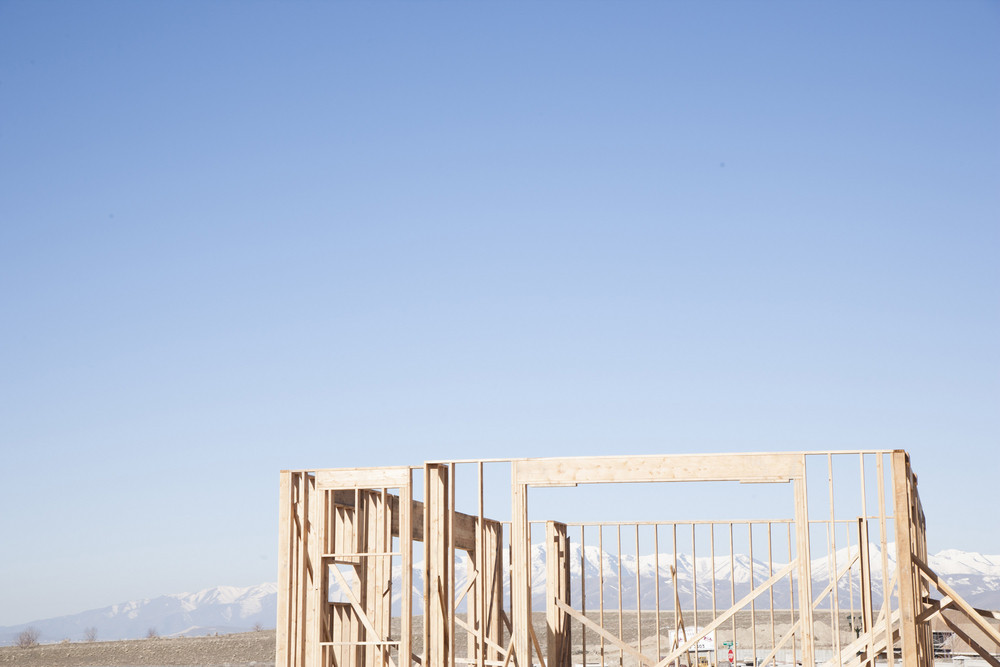

In an era marked by increasingly extreme weather events, constructing homes that are both climate-resilient and sustainable has become crucial. As the threat of natural disasters looms larger, homeowners find themselves seeking new ways to protect their properties while also minimizing environmental impact. This article explores the essential aspects of building homes that can withstand severe weather while promoting sustainability. y marrying robust engineering with eco-conscious innovation, we can create modern sanctuaries that protect both our families and the planet.
Understanding and Mitigating Weather Risks
The frequency and intensity of hurricanes impacting the United States underscore the necessity of building resilient homes. Throughout the 20th century, the U.S. witnessed 158 hurricanes, with Florida bearing the brunt of 57 direct hits. Texas followed with 26 hurricanes, illustrating the importance of fortified home construction in these regions. Crafting homes with reinforced structures can mitigate damage and provide safety during such events.
Considering the likelihood of severe weather, architects and builders use innovative designs to enhance the durability of homes. Techniques such as reinforced concrete frameworks and hurricane-proof windows are becoming standard in vulnerable areas. These improvements play a significant role in minimizing home damage and protecting inhabitants during storms.
Furthermore, policies that encourage advance preparation and proactive design ensure homes are built to withstand climate challenges. Residential zoning laws are evolving to accommodate construction practices that integrate climate resilience. Consequently, communities are not only better prepared for future disasters but are also paving a path toward long-term adaptability.
Energy Efficiency and Sustainable Materials
Another essential aspect of climate-resilient construction is the use of energy-efficient solutions and sustainable materials. In the first nine months of 2024, severe weather disasters were responsible for approximately 1.2 billion hours of power outages, highlighting the importance of constructing energy-independent homes. Implementing solar panels and energy storage technologies is pivotal in ensuring a constant power supply even during outages.
Furthermore, the choice of building materials significantly impacts a home’s sustainability. Fiberglass insulation, for instance, is considered one of the most eco-friendly materials due to its composition, containing nearly 30% recycled content. According to Forbes, this efficiency in resource reuse makes it a favorite for eco-conscious builders focusing on both cost-effectiveness and environmental benefits.
Integrating passive solar design principles can also enhance energy efficiency. This involves strategic placement of windows and thermal mass to regulate indoor temperatures naturally. Coupled with modern insulation technology, such designs significantly reduce energy consumption for heating and cooling, contributing to a home’s overall sustainability.
Promoting Sustainable Living Practices
Encouraging homeowners to adopt sustainable living practices complements the design of climate-resilient houses. Emphasizing home improvement strategies that focus on resource conservation and waste reduction further aligns with sustainable goals. By incorporating water-saving fixtures and appliances, households can substantially reduce their water footprint.
Moreover, landscaping with native plants minimizes water usage and maintenance efforts while promoting local biodiversity. These plant species are more resilient to climate change and pests, ensuring a robust garden ecosystem. Homeowners can also benefit from renewable resources by installing rainwater harvesting systems, further integrating sustainable practices into their daily lives.
Lastly, community initiatives and educational programs can facilitate collective efforts towards sustainable living. By learning from community-driven projects, individuals can discover new opportunities for sustainability and resilience, reinforcing their contribution to environmental stewardship. Collaboration in sustainable practices strengthens community bonds and ensures a healthier, more resilient future.
As climates continue to shift, creating homes that defy severe weather while promoting sustainability is more vital than ever. By integrating advanced construction techniques, energy efficiency, and sustainable materials, homeowners can mitigate natural disaster risks. Embracing eco-friendly living practices further enhances these efforts, ensuring a future where homes withstand the elements and minimize their environmental impact. Ultimately, investing in a resilient home today is the most powerful way to secure a safer, greener, and more adaptable tomorrow.
