

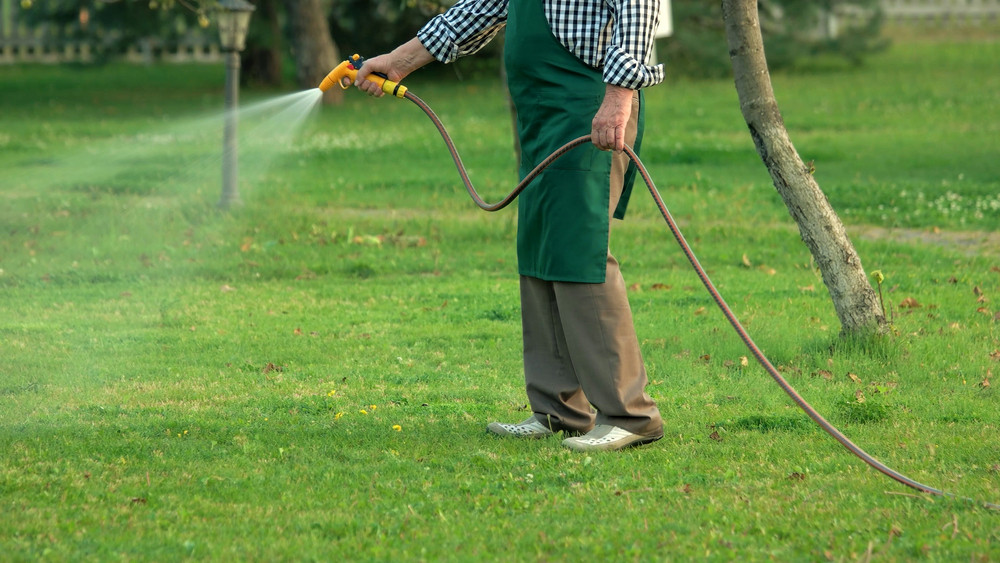

A well-maintained irrigation system helps keep lawns green and landscapes healthy, but hidden leaks can quickly create expensive problems. Small irrigation issues often go unnoticed until homeowners see rising water bills, soggy patches in the yard, or dying grass. Catching leaks early can prevent serious property damage, reduce water waste, and extend the life of your irrigation system. Knowing the warning signs and understanding how irrigation systems behave can help you identify trouble before it turns into a costly repair.
Watch for Unusual Changes in Your Lawn and Water Bill
One of the first signs of an irrigation leak is an unexpected change in your yard’s appearance. A sudden spike in your monthly water bill is another major warning sign. Even a small leak in a sprinkler line can waste hundreds of gallons of water over time. Homeowners with automatic systems should pay close attention to changes in water usage because these systems run on a schedule and can continue leaking without immediate notice.
According to the EPA, automatic irrigation systems are installed in 20% of homes across the United States. With so many households relying on these systems, regular inspections are essential to catch hidden leaks before they damage landscaping or increase utility costs.
Checking sprinkler heads regularly can help identify visible problems early. Broken heads may spray unevenly, leak continuously, or fail to pop up properly. Valves and pipe connections should also be inspected for dripping or pooling water. Performing a quick visual inspection every few weeks can prevent minor issues from developing into major repairs.
Pay Attention to Water Waste and Poor Irrigation Performance
Leaks are not always dramatic or easy to see. Sometimes the signs appear as inefficient watering patterns or excessive runoff. If certain parts of the yard remain dry while others are oversaturated, your irrigation system may have damaged pipes, clogged nozzles, or pressure issues caused by leaks.
According to the Environmental Protection Agency, experts believe up to 50% of irrigation water is wasted because of runoff, evaporation, wind, and inefficient watering systems. This means many homeowners are already losing substantial amounts of water without realizing it. Irrigation leaks only add to that waste and can place unnecessary strain on both landscaping and household budgets.
Pay attention to sprinkler spray patterns during operation. Water shooting into sidewalks, streets, or fences may indicate misaligned heads or excessive pressure. Hissing sounds, bubbling water, or areas where sprinklers fail to distribute water evenly can also point to underground leaks.
Improve Irrigation Practices to Prevent Future Leaks
Preventive maintenance is one of the best ways to avoid irrigation leaks altogether. Regular system inspections, seasonal adjustments, and proper watering techniques reduce stress on irrigation components and improve overall efficiency.
According to the Utah Department of Natural Resources, properties with hard or clay-heavy soil can reduce runoff by dividing irrigation into three shorter sprinkler cycles, giving the ground enough time to absorb water properly. This practice not only conserves water but also reduces pooling and pressure buildup that may contribute to leaks and damaged sprinkler heads.
It is also important to adjust irrigation schedules based on weather conditions. Overwatering places unnecessary pressure on pipes, valves, and sprinkler heads while increasing the likelihood of runoff and erosion. Installing a smart irrigation controller can help regulate watering automatically based on rainfall and soil conditions.
Irrigation leaks can quietly damage lawns, waste water, and increase utility bills if left unnoticed. By watching for changes in your yard, monitoring water usage, and maintaining your irrigation system regularly, you can catch problems early and avoid costly repairs. Smarter watering practices and routine inspections not only protect your landscape but also improve the overall efficiency of your irrigation system for years to come.
