

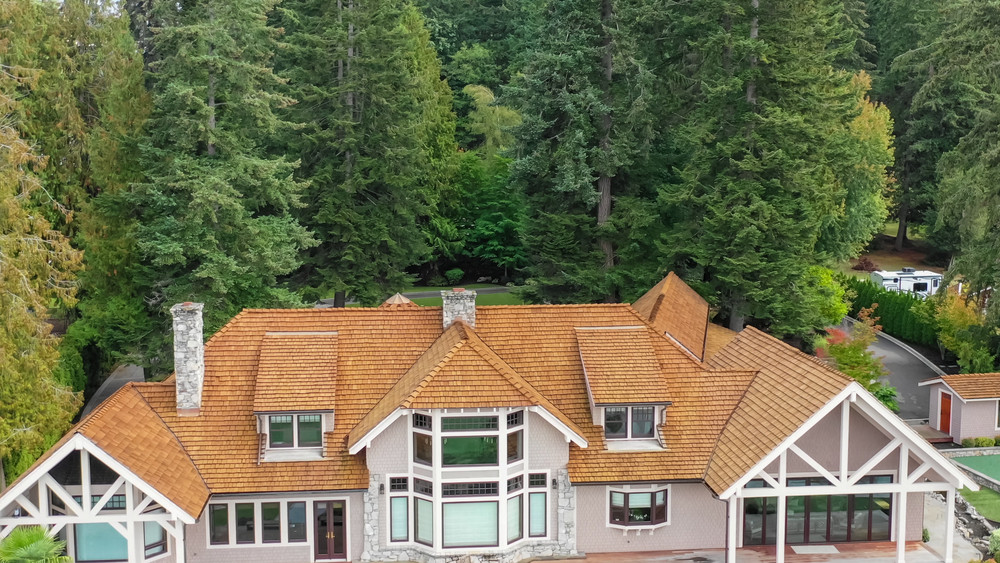

Your roof does a lot more than simply sit on top of your house. It protects your family, keeps moisture out, and helps maintain your home’s energy efficiency throughout every season. When signs of damage begin to appear, many homeowners struggle with deciding whether they should invest in repairs or move forward with a complete replacement. The right choice often depends on the roof’s age, the extent of the damage, and your long-term plans for the property. Taking time to evaluate both options carefully can save money, reduce stress, and prevent larger issues from developing later. Understanding the pros and cons of each solution makes the decision much easier.
Signs Your Roof May Need Attention
Most roofing problems start small before becoming major headaches. A missing shingle or a tiny leak may not seem urgent at first, but even minor issues can allow water to seep beneath roofing materials and damage the structure underneath. Homeowners should keep an eye out for cracked shingles, water stains on ceilings, sagging areas, or excessive granules in gutters.
Regular maintenance plays a huge role in preventing serious damage. According to AllState, typically, your roof should be inspected at least once a year. These inspections help identify weak spots early and give homeowners a chance to address problems before repairs become more expensive. A yearly inspection can also extend the lifespan of the roof and provide peace of mind during severe weather seasons.
When Roof Repair Makes Sense
Repairs are often the most practical option when the damage is isolated to one area of the roof. Small leaks, a few missing shingles, or minor storm damage can usually be fixed without replacing the entire system. Choosing repairs instead of replacement can save thousands of dollars while still restoring the roof’s performance.
The age of the roof matters significantly when making this decision. According to Today’s Homeowner, roof repair is usually the better option when a roof is less than 15 years old and damage remains minor. In these cases, repairing the affected area may allow the roof to continue functioning properly for many additional years. Homeowners who recently purchased a home or installed a newer roof often benefit most from this approach.
Situations That Call for Roof Replacement
While repairs can solve many problems, there comes a point when replacement becomes the smarter financial decision. Older roofs often experience repeated issues that continue to return even after multiple repairs. Constant patchwork may temporarily fix leaks, but the costs can quickly add up over time.
Extensive water damage, mold growth, sagging sections, or widespread shingle deterioration are all signs that replacement may be necessary. If damage affects large portions of the roof, installing a new system can provide stronger long-term protection and reduce the risk of future emergencies. A replacement also offers an opportunity to improve ventilation and energy efficiency.
Many homeowners choose replacement when they want to increase their property value as well. A new roof can dramatically improve curb appeal and reassure potential buyers that the home has been properly maintained. According to RubyHome, 5 million new roofs are installed each year. That number reflects how many homeowners recognize the long-term benefits of investing in a fresh roofing system instead of repeatedly paying for repairs.
Choosing between roof replacement and repair depends on several important factors, including the roof’s age, the severity of the damage, and your long-term financial goals. Minor problems on a newer roof can often be handled with simple repairs that restore protection without a major expense. On the other hand, widespread deterioration or recurring leaks may indicate that replacement is the better investment for lasting peace of mind. Paying attention to warning signs early and scheduling regular inspections can help homeowners avoid costly surprises. By carefully weighing the benefits of both options, you can make a confident decision that protects your home for years to come.
