


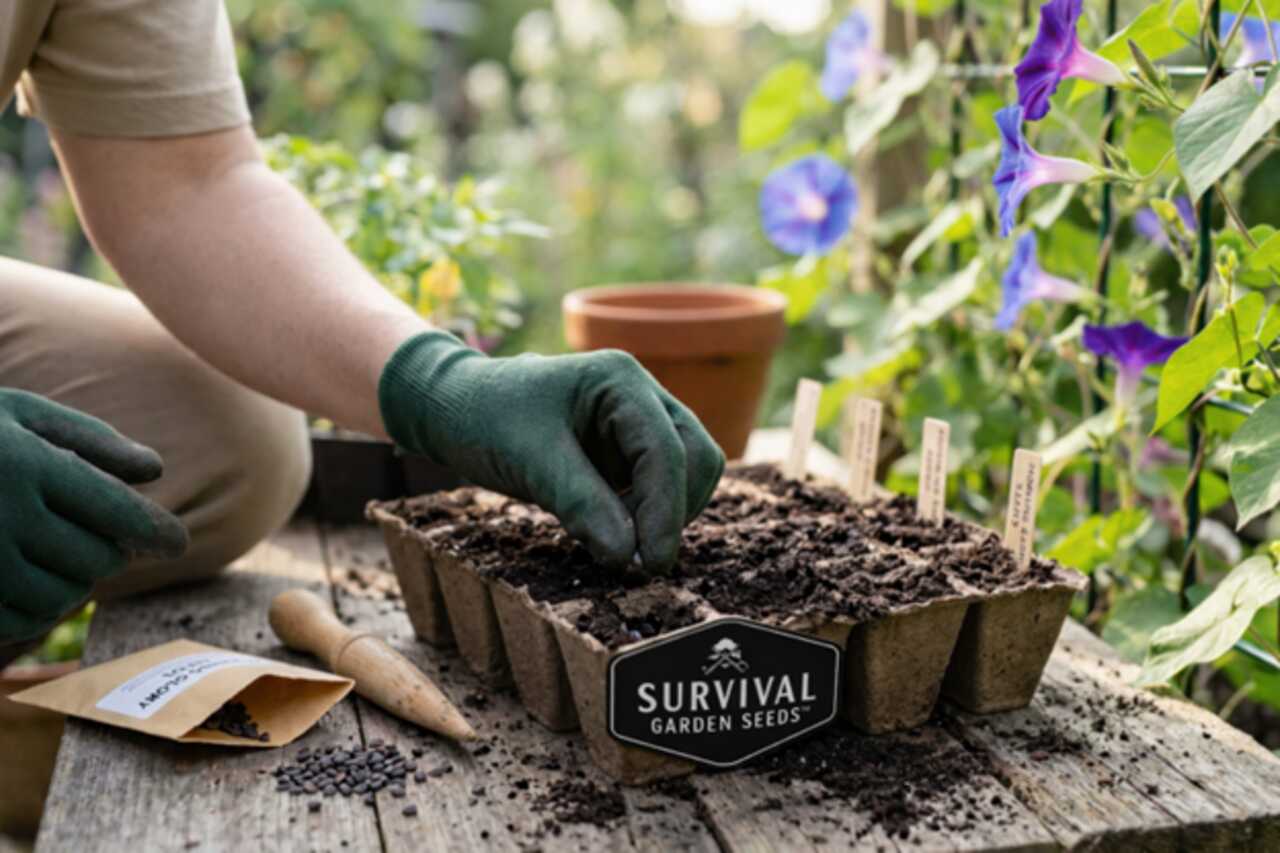


Morning glory flowers have a way of making gardeners look far more skilled than they actually are. These vigorous climbers transform ordinary fences, mailboxes, and trellises into cascading walls of trumpet-shaped blooms, and they do most of the heavy lifting themselves. The catch? You need to get the planting right, or you’ll spend weeks staring at empty soil, wondering what went wrong.
I’ve watched plenty of gardeners struggle with morning glory flower, and the problems are almost always the same: planting too early, skipping seed preparation, or burying seeds too deeply. The good news is that once you understand what these plants actually need, growing morning glories successfully becomes surprisingly straightforward. These aren’t fussy plants. They just have a few non-negotiable requirements that, when met, result in explosive growth and flowers that open fresh each morning throughout summer and fall.
Whether you’re covering an unsightly fence, creating a privacy screen, or simply want those iconic blue, pink, or purple trumpets greeting you each day, this guide covers everything from seed preparation to harvest. The techniques here work whether you’re starting seeds indoors or direct-sowing into garden beds.
What Is the Morning Glory Flower
Morning glories belong to the genus Ipomoea, a diverse group of flowering plants with over 1,000 species. The most common ones gardeners grow are annual vines that originated in tropical and subtropical regions of the Americas. These plants earned their common name honestly: each bloom opens at dawn and typically closes by afternoon, replaced by fresh flowers the following morning.
Characteristics of the Morning Glory Flower
The signature feature is obviously the flower itself: a funnel- or trumpet-shaped bloom that unfurls in early-morning light. Most blooms measure two to three inches across, though some varieties produce larger flowers up to six inches in diameter. The vines grow rapidly, often adding six inches or more per week during peak season, eventually reaching heights of ten to fifteen feet.
Leaves are typically heart-shaped with pointed tips, creating dense foliage that makes these plants excellent for screening. The vines climb by twining around supports rather than using tendrils or adhesive pads, which means they need something relatively thin to wrap around: wire, string, lattice, or other slender structures.
Popular Varieties of Morning Glory Flower
Heavenly Blue remains the most popular variety, producing those classic sky-blue flowers with white throats that have graced gardens for generations. Grandpa Ott offers deep purple blooms with magenta stars at the center. For something different, try Scarlett O’Hara with its rich crimson flowers, or Pearly Gates for pure white blooms.
Moonflower (Ipomoea alba) is a close relative that opens at dusk rather than dawn, producing fragrant white flowers up to six inches across. Some gardeners plant both morning glories and moonflowers together for round-the-clock blooms.
Why Gardeners Grow the Morning Glory Flower
Speed is a major draw. Few plants cover vertical space as quickly or affordably as morning glories. A single packet of seeds costing a few dollars can screen an entire fence line by midsummer. They’re also remarkably low-maintenance once established, tolerating poor soil, drought, and neglect that would kill more demanding plants.
Pollinators love them too. Hummingbirds, bees, and butterflies visit morning glory flowers throughout the blooming season, making them valuable additions to wildlife gardens.
When to Plant Morning Glory Flower Seeds
Timing matters more than most gardeners realize. Morning glories are tropical plants with zero frost tolerance, and their seeds won’t germinate properly in cold soil. Plant too early, and seeds either rot or sit dormant until conditions improve, giving pests and diseases time to attack.
Best Time of Year to Plant Morning Glory Flower Seeds
For direct sowing outdoors, wait until two weeks after your last expected frost date. Soil temperature should reach at least 65°F, ideally 70°F or warmer. In most of the continental United States, this means late May through early June.
If you’re starting seeds indoors, begin four to six weeks before your last frost date. This gives seedlings time to develop before transplanting, resulting in earlier blooms. Indoor-started plants often flower two to three weeks ahead of direct-sown seeds.
Climate and Growing Zones for Morning Glory Flower
Morning glories grow as annuals in USDA zones 2 through 11, completing their entire life cycle in a single growing season. In zones 10 and 11, they may behave as short-lived perennials, dying back in winter and resprouting from roots in spring.
Gardeners in short-season climates (zones 3-4) should definitely start seeds indoors. With only 90 to 100 frost-free days, direct-sown seeds may not have enough time to mature and bloom before fall frost arrives.
Starting Morning Glory Flower Seeds Indoors or Outdoors
Both approaches work, but each has tradeoffs. Indoor starting gives you a head start and earlier blooms, but morning glories dislike root disturbance. Use peat pots or soil blocks that can be planted directly into the ground, avoiding the need to remove seedlings from containers.
Direct sowing is simpler and avoids transplant shock entirely. The plants catch up surprisingly quickly once warm weather arrives, and direct-sown morning glories often develop stronger root systems. For most gardeners in zones 5-9, direct sowing works perfectly well.
How to Plant Morning Glory Flower Seeds
Here’s where many gardeners go wrong. Morning glory seeds have hard outer coats that can delay or prevent germination if not treated properly. Skip the preparation steps, and you might wait three weeks for spotty germination instead of seeing sprouts within a week.
Preparing Morning Glory Flower Seeds for Planting
Scarification breaks through that tough seed coat, allowing water to penetrate and trigger germination. You have two options: mechanical scarification or soaking.
For mechanical scarification, use a nail file or sandpaper to nick the seed’s outer coating. You’re not trying to damage the interior; just scratch through the hard outer layer until you see a slightly lighter color beneath. This takes about five seconds per seed.
Soaking is easier for large quantities. Place seeds in warm water (not hot) and let them sit for 24 hours. Seeds that swell noticeably are ready to plant. Those that remain hard should be filed and soaked for another 12 hours.
Soil Conditions for Morning Glory Flower Seeds
Morning glories actually prefer lean, average soil over rich, heavily amended beds. Too much nitrogen produces abundant foliage at the expense of flowers. If your soil is reasonably well-draining and not pure clay, it’s probably fine without amendments.
The one thing morning glories won’t tolerate is waterlogged soil. If your planting site holds standing water after rain, either choose a different location or improve drainage by adding coarse sand or planting in raised beds. A soil pH between 6.0 and 6.8 is ideal, though these adaptable plants tolerate a wider range.
Proper Planting Depth and Spacing
Plant seeds half an inch deep, no more. Burying seeds too deeply is a common mistake that can delay or prevent germination. In heavy clay soil, plant even shallower: just a quarter inch.
Space seeds six inches apart along your trellis or support structure. Once seedlings establish, thin to twelve inches apart if plants seem crowded. To cover a fence quickly, you can leave plants at 6-inch spacing, but expect more competition for resources and potentially smaller flowers.
Growing and Caring for the Morning Glory Flower
Once your morning glory vines establish, they require remarkably little intervention. These plants evolved to colonize disturbed areas and forest edges, making them naturally resilient and self-sufficient. Your main job shifts from nurturing their enthusiasm to managing it.
Sunlight Requirements for Morning Glory Flower Plants
Full sun produces the best flowering. Aim for at least 6 hours of direct sunlight daily, with 8 or more hours ideal. Plants grown in partial shade will survive but produce fewer flowers and leggier growth as vines stretch toward available light.
Morning sun is particularly valuable since it dries dew from leaves quickly, reducing fungal disease risk. An east-facing fence or trellis often produces excellent results, with plants receiving strong morning light and some afternoon shade during the hottest part of summer.
Watering and Soil Care for Morning Glory Flower Growth
Established morning glories are remarkably drought-tolerant, but seedlings need consistent moisture until their root systems develop. Water newly planted seeds and young seedlings when the top inch of soil feels dry, usually every two to three days in warm weather.
Once vines reach about a foot tall, reduce watering frequency. Mature plants often thrive on rainfall alone except during extended dry spells. Overwatering actually harms morning glories, promoting root rot and reducing flowering. When in doubt, err on the dry side.
Supporting Morning Glory Flower Vines With Trellises
Morning glories need something to climb, and they’re not picky about what. String, wire, lattice, chain-link fencing, bamboo poles, or purpose-built trellises all work well. The key is providing support thin enough for vines to wrap around: generally two inches in diameter or less.
Install supports before planting or immediately after, while seedlings are small. Trying to add a trellis once vines are actively growing inevitably damages plants. For heavy coverage, space vertical supports twelve to eighteen inches apart and add horizontal strings every six to twelve inches.
Tips for Healthy Morning Glory Flower Plants
Even easy plants benefit from some strategic attention. A few simple practices can dramatically increase flower production and keep vines looking their best throughout the growing season.
Managing Vine Growth and Garden Space
Morning glories grow aggressively, and without guidance, they’ll climb whatever’s nearby, including other plants you’d rather they leave alone. Train young vines toward your intended support by gently wrapping them around the structure. Once they start climbing on their own, they rarely need further direction.
Pinching growing tips when vines reach about a foot tall encourages branching, resulting in fuller plants with more flowering stems. Simply remove the top inch of each vine using your fingers or clean scissors. This delays flowering slightly but increases total bloom count.
Preventing Common Morning Glory Flower Problems
Aphids are the most frequent pest, clustering on new growth and flower buds. A strong spray of water dislodges most infestations. For persistent problems, insecticidal soap works without harming beneficial insects.
Fungal leaf spots occasionally appear during humid weather. Remove affected leaves promptly and avoid overhead watering. Good air circulation prevents most fungal issues, so don’t plant morning glories in cramped, airless corners.
Self-seeding deserves mention here, too. Morning glories produce abundant seeds, and in mild climates, they can become weedy. Deadhead spent flowers before seeds mature to prevent volunteer seedlings next year.
Encouraging Strong Flower Production
Counterintuitively, the best way to maximize the number of morning glory flowers is to avoid fertilizing. Rich soil and added fertilizer push leaf growth at the expense of blooms. If your plants produce lush foliage but few flowers, fertility is likely too high.
Deadheading isn’t strictly necessary, since morning glories produce new flowers daily. However, removing spent blooms keeps plants looking tidier and may slightly extend the blooming season by preventing energy from being diverted to seed production.
Growing Morning Glories With Confidence
Planting morning glory seeds successfully comes down to a few key practices: wait for warm soil, scarify or soak seeds before planting, plant shallowly, and provide support for climbing. Get these fundamentals right, and morning glories practically grow themselves.
These vines reward patience during their slow early weeks, then astonish with their rapid midsummer growth. By August, a single packet of seeds can cover a twelve-foot fence in flowers that open fresh each morning. Few plants offer such dramatic results for so little effort and expense.
Start your seeds this spring, and by midsummer, you’ll understand why morning glories have remained garden favorites for centuries. That first morning, when you walk outside to find dozens of trumpet-shaped blooms unfurling in the early light, makes every bit of preparation worthwhile.


