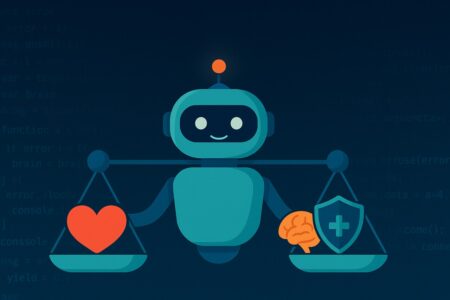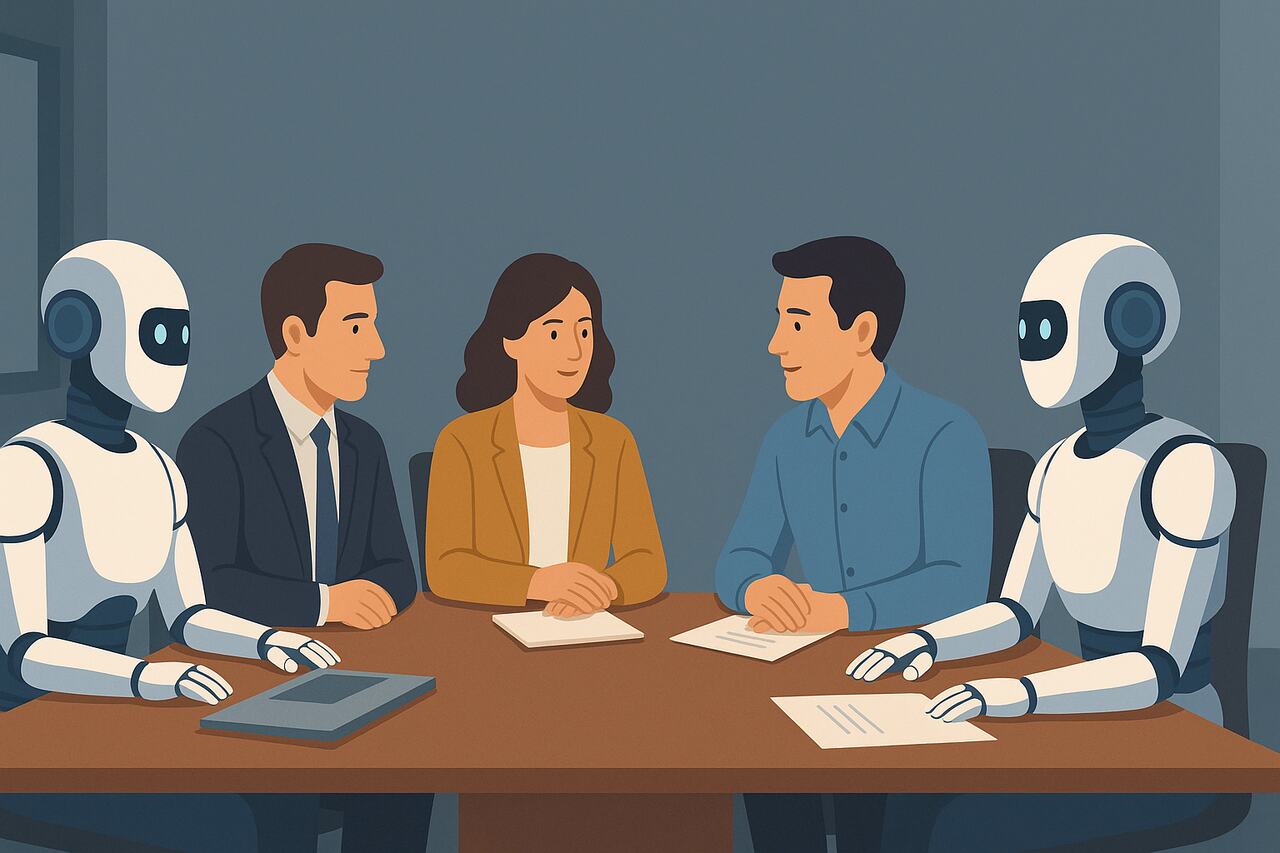


As artificial intelligence agents take on more complex, autonomous roles within organizations, a critical shift in perspective is emerging: AI systems should be managed more like human workers than static software tools. These agents now handle tasks such as decision-making, communication, and real-time problem-solving functions traditionally reserved for skilled employees. Treating them merely as code overlooks their operational autonomy, systemic impact, and integration within dynamic workflows.
Experts in AI governance, organizational design, and digital ethics are advocating for a human-centric management model that includes assigning responsibilities, defining access rights, and establishing oversight mechanisms for AI agents. This approach not only improves accountability and operational safety but also aligns with evolving legal frameworks like the EU AI Act, which demand transparency and risk-based control. By managing AI agents as workforce participants rather than passive systems, businesses can build more resilient, compliant, and ethically-aligned digital infrastructures.
Why Should AI Agents Be Treated Like Human Workers?
AI agents are increasingly performing tasks once reserved for human employees, including decision-making, communication, and workflow automation. As these agents become more autonomous, researchers and technologists are urging organizations to treat them not merely as tools, but as functional participants within digital labor ecosystems. The shift involves redefining accountability structures, assigning role-based permissions, and implementing oversight systems that mirror human workforce management.
Treating AI agents like human workers promotes clearer governance, safer deployment, and better integration into organizational hierarchies. The framework aligns with emerging principles in AI ethics, socio-technical systems design, and algorithmic accountability, where autonomous agents are seen as actors whose behavior must be predictable, auditable, and aligned with organizational values.
What Responsibilities Should AI Agents Be Assigned in the Workforce?
AI agents should be assigned domain-specific responsibilities, complete with operational boundaries, risk thresholds, and performance expectations. Like human employees, AI systems function more effectively when guided by task definitions, escalation protocols, and role clarity.
Within enterprise environments, AI agents are now executing actions like data analysis, content generation, scheduling, and customer interaction. Each of these tasks requires predefined constraints to prevent errors or mission drift. Treating AI as workers implies embedding behavioral policies into the architecture ensuring agents adhere to security standards, company policies, and regulatory frameworks.
Clear responsibility matrices also enable better collaboration between human and artificial agents, reducing friction and ambiguity in human-AI workflows.
How Can Organizations Monitor AI Agents Like Human Employees?
Organizations can implement AI oversight mechanisms modeled after human performance management systems. This includes key performance indicators (KPIs), feedback loops, audit trails, and version control. Monitoring tools can track decision rationale, error rates, and compliance with operational objectives.
AI observability platforms enable real-time insights into agent behavior, offering explainability modules that function like performance reviews. These tools reveal whether agents are acting within their assigned mandates, whether outputs are drifting, and how well models align with ethical guardrails.
Additionally, behavior logs and user interaction data can be used to refine agent conduct over time, mimicking the process of professional development through iterative tuning, reinforcement learning, or human-in-the-loop interventions.
Should AI Agents Be Granted Digital Identity and Access Controls?
Yes, AI agents should be given unique digital identities and role-based access controls, similar to employee credentials. Assigning an identity allows organizations to map specific actions, logs, and outcomes to the correct agent instance. This enhances traceability and accountability, especially in systems where multiple agents operate concurrently.
Role-based access limits ensure agents only interact with data and systems relevant to their function. For example, a customer service AI should not access financial modeling tools, just as a junior employee wouldn’t be given executive-level permissions.
By managing identity and access through enterprise authentication layers, organizations can apply zero-trust principles to AI behavior ensuring safety, compliance, and operational discipline.
How Do Legal and Ethical Frameworks Support This Approach?
Emerging legal frameworks, such as the EU AI Act and the OECD AI Principles, promote accountability, transparency, and risk-based governance of AI systems. These frameworks echo the management structures already in place for human labor, reinforcing the idea that autonomous agents should be governed similarly.
AI agents, especially those making autonomous decisions, fall under high-risk categories in regulatory terms. Treating them like workers helps embed responsible AI principles such as duty of care, role responsibility, and continuous oversight into technical systems.
Ethically, this approach respects the complexity and impact of AI behavior in real-world environments. It also reflects a shift from tool-centric thinking to systems thinking where AI agents are embedded in socio-technical environments that require structured management and ethical foresight.
Conclusion
As AI agents increasingly resemble functional members of the workforce, organizations must evolve their management strategies accordingly. Assigning responsibilities, enforcing identity controls, implementing performance monitoring, and adhering to legal norms helps bridge the gap between automation and accountability. Treating AI agents like human workers is not about personification it’s about applying proven governance principles to emerging technologies, ensuring they operate safely, predictably, and ethically within human systems. For more informative articles related to News you can visit News Category of our Blog.